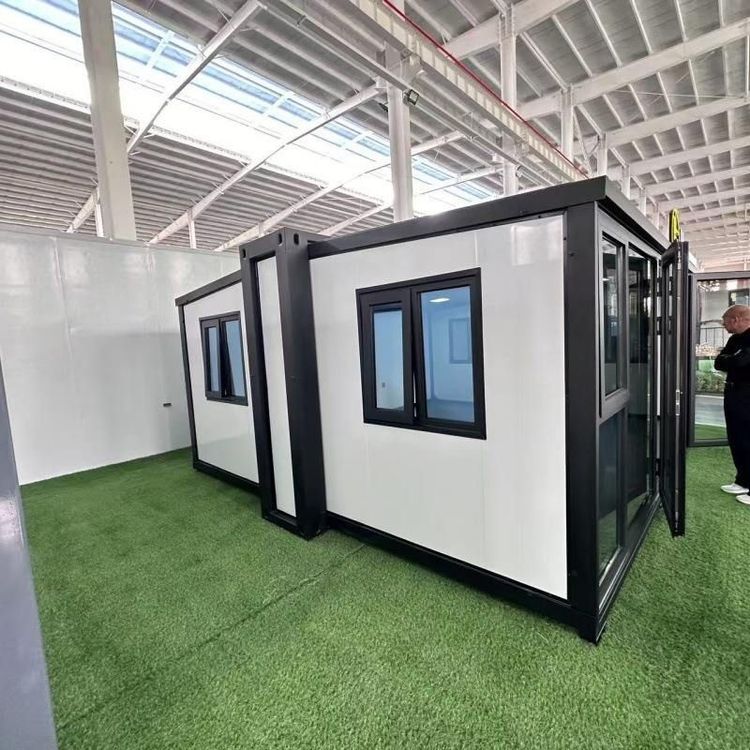
Xinzhou Trailer-mounted Mobile Toilet
The Xinzhou trailer-mounted mobile toilet is a movable independent sanitation unit installed on a wheeled chassis, which can be relocated by vehicle towing and serves as an important supplement to fixed public sanitation resources.

Composition Materials and Structural Features
The body materials of trailer-mounted mobile toilets mainly include two types: fiberglass-reinforced plastic (FRP) and metal panels. FRP is manufactured using an integral molding process, offering excellent airtightness and corrosion resistance, making it suitable for long-term outdoor use. Metal panels, on the other hand, are produced through a modular frame structure, facilitating easy maintenance and functional expansion in the future. The internal treatment systems are divided into two categories: storage-type systems rely on external collection and disposal of waste, suitable for short-term events; self-circulating systems are equipped with small biological or chemical treatment devices, enabling on-site waste treatment, ideal for long-term use or areas without municipal sewer networks.
Towing and Placement Requirements
Standard trailer-mounted mobile toilets have specific requirements for towing vehicles and placement sites:
- Towing vehicles must have sufficient power, and drivers must hold appropriate qualifications (such as a B2 or higher driver's license);
- Site conditions must meet flatness requirements to ensure stable placement of the equipment, while also considering accessibility (such as road width and turning radius). In the topographical and climatic conditions of Xinzhou, additional attention should be paid to wind-resistant stability design (such as adding ground anchors or ballast) and winter freeze protection (such as wrapping water tanks with insulation materials and installing pipe heating devices) to cope with the impact of low temperatures on the equipment.
Service Chain and Operational Costs
Its service chain covers full lifecycle management:
- Pre-deployment: Site survey and adaptation, determining the quantity and layout of equipment based on event scale, foot traffic, and geographical environment;
- During use: Regular cleaning, replenishment of consumables (such as toilet paper and hand soap), and equipment inspections;
- Post-use: Waste disposal (collection and transport for storage-type systems, maintenance of treatment devices for self-circulating systems) and equipment maintenance. Operational costs include facility depreciation (amortized over the service life) and recurring service investments (labor, cleaning consumables, transportation costs, etc.).
Rental Service Model
The rental of trailer-mounted mobile toilets essentially involves the temporary transfer of usage rights, with the service provider retaining ownership and maintenance responsibilities, while the user pays a fee to obtain the right to use the equipment for a specified period and location. Rental terms are flexible, with fee structures based on duration, configuration standards (such as whether air conditioning or母婴 facilities are included), and service levels (such as cleaning frequency), meeting the needs of different scenarios.
Practical Application Effects
Its functional performance is influenced by a combination of public event types, geographical environment, and infrastructure support levels. For example, when hosting large-scale outdoor events in Xinzhou, it is necessary to assess foot traffic and site conditions in advance to ensure an adequate number of equipment units and a reasonable layout. In remote areas, self-circulating treatment systems can reduce reliance on municipal sewer networks. The accuracy of pre-deployment needs assessment and the match between post-deployment operational management are key factors determining the actual effectiveness.