Construction of Mobile Toilets in Xinzhou Scenic Area
The construction of mobile toilets in Xinzhou scenic areas requires comprehensive consideration of factors such as manufacturers, material processes, functional configurations, deployment methods, and environmental adaptability. The specific key points are as follows:

1. Selection of Manufacturers and Product Types
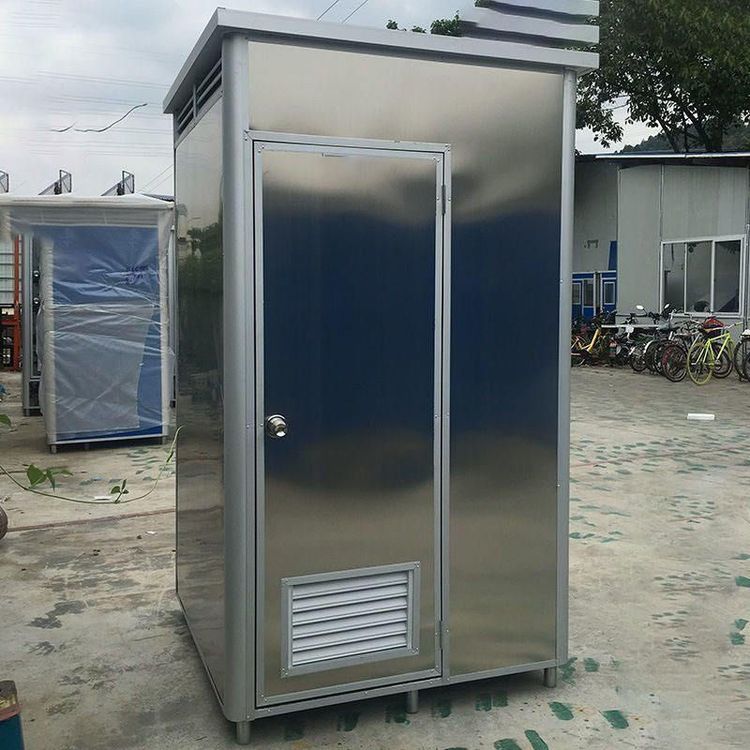
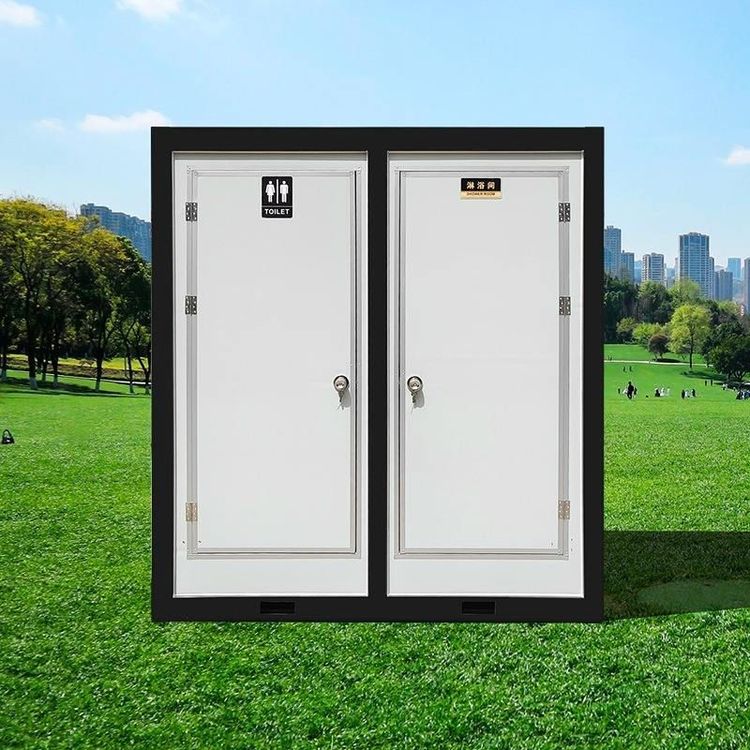
When constructing mobile toilets in Xinzhou scenic areas, it is essential to prioritize the selection of product types that meet the needs of the scenic areas. Cangzhou Hengtai Sanitation Equipment Co., Ltd. offers eco-friendly products such as waterless packing ecological toilets, vacuum adsorption ecological toilets, and high-pressure soda water flushing ecological toilets, which are suitable for scenic areas sensitive to water resources or with high ecological protection requirements. Local manufacturers in Xinzhou City, Shanxi Province provide steel-structured mobile toilets that support customized designs, with materials including galvanized steel and aluminum alloy, available in various specifications. These can cover Xinzhou and surrounding areas, shortening transportation cycles and reducing logistics costs.
2. Material and Process Characteristics
The main structure of mobile toilets typically employs a combination of metal frames and composite panels, such as galvanized steel or aluminum alloy frames, with outer composite panels that can simulate wood grain, stone textures, etc., to harmonize with the natural landscape of the scenic area. Some individual toilet units are integrally molded from fiberglass materials, featuring lightweight, high strength, good weather resistance, and ease of transportation and installation, making them suitable for mountainous or complex terrain areas.
3. Functional Modules and Configurations
Mobile toilets are divided into four functional modules:
- Structural Module: Supports the overall frame to ensure stability;
- Sanitary Ware Module: Equipped with squat toilets, sinks, non-slip floors, etc., with some products offering toilet seat options;
- Sewage Disposal Module: Depending on the type, waterless packing, vacuum adsorption, or high-pressure soda water flushing technologies are used to reduce sewage discharge;
- Auxiliary Facility Module: Includes door locks, light bulbs, exhaust fans, etc., to ensure safety and comfort during use.
4. Construction and Deployment Process
Manufacturers typically complete modular prefabrication in the factory, including structural assembly, pipeline laying, and partial interior installation, forming units that can be transported as a whole. Upon arrival at the scenic area, only foundation fixing (such as anchor bolt fastening) and external interface connections (water and electricity access) are required, shortening the construction period to 1-3 days and significantly reducing on-site operations that interfere with the scenic environment.
5. Environmental Adaptability and Maintenance
The low winter temperatures and mountainous terrain in Xinzhou pose challenges to the stability of mobile toilets. It is necessary to select cold-resistant materials (such as freeze-resistant composite panels) and optimize structural designs (such as adding wind-resistant anchor points). Additionally, scenic area management should prioritize manufacturers that offer rapid maintenance response to ensure timely sanitation cleaning, equipment maintenance, and other services. Especially during peak tourist seasons or large-scale events, leasing services can be used to flexibly allocate resources and meet sudden increases in demand.