
Xinyu Mobile Toilet Installation
When installing mobile toilets in Xinyu, it is crucial to focus on site selection, waterproofing, drainage, ventilation, and functional debugging. The specific key points are as follows:
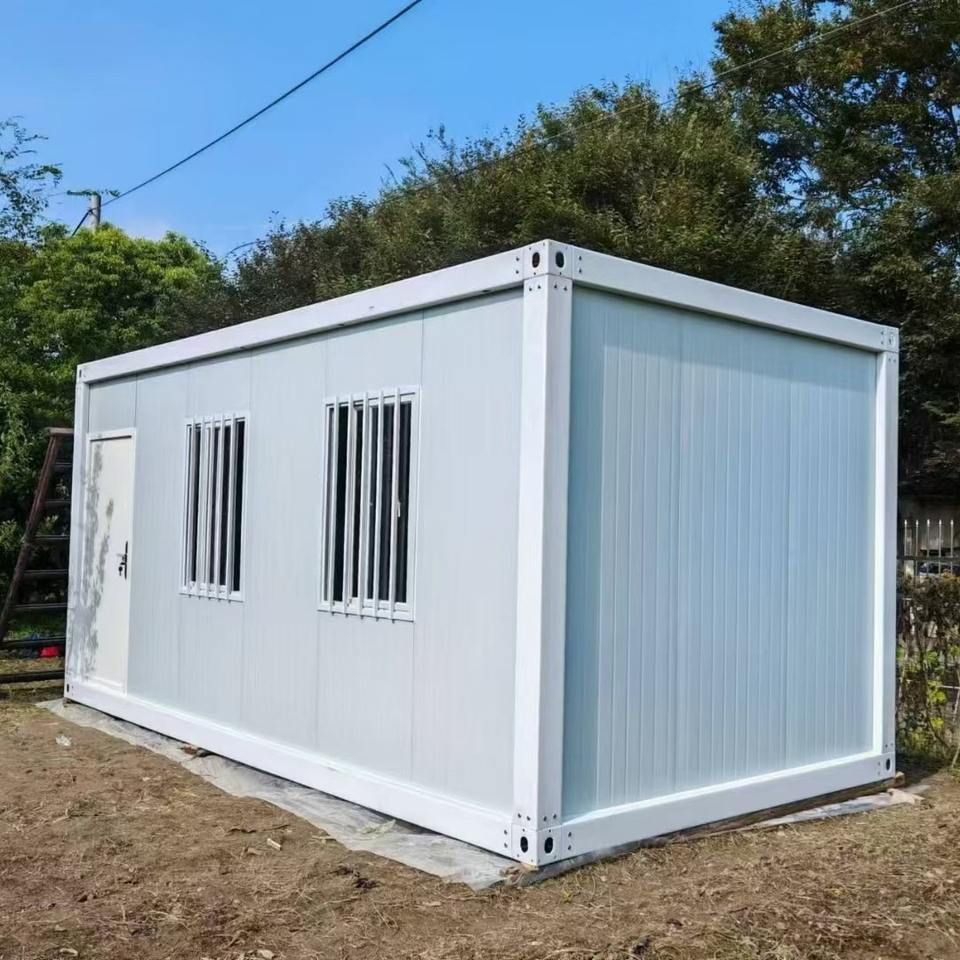
1. Basic Site Selection and Floor Treatment
The site should be more than 15 centimeters above the surrounding ground to prevent rainwater or sewage from flowing back and soaking the equipment. The ground needs to be hardened, and it is recommended to use concrete pouring or lay moisture-proof floor tiles. The surface slope should be maintained at more than 1% to ensure that rainwater is quickly drained away from the bottom of the equipment and prevent water accumulation from causing structural damage.
2. Waterproof Sealing of the Equipment Main Body
Check the sealing rubber strips of the toilet door and windows to ensure there are no gaps when closed, preventing rainwater from seeping in. A rain eave should be installed on the top of the equipment, with the eave extending a length of no less than 30 centimeters. In rainy seasons, additional drainage troughs can be installed to enhance drainage capacity. If the equipment is made of metal, anti-rust treatment should be carried out at the connections to extend its service life.
3. Damp-Proof Design of the Drainage System
The sewage pipe should be provided with anti-backflow treatment. When connecting to the municipal drainage system, it is recommended to install a check valve to prevent sewage from flowing back. When installing on the ground, a 5-centimeter-high water baffle should be reserved to prevent external rainwater from invading from the bottom. If installed in low-lying areas, a drainage pump can be added to assist in drainage and ensure system stability.
4. Ventilation and Damp-Proof Details
Install an exhaust fan and regularly check the filter screen to maintain air circulation. In summer, it is recommended to install a sunshade to reduce the internal temperature of the equipment. The walls and ceilings should use waterproof gypsum boards, and the joints should be sealed. A moisture-proof film can be laid inside the equipment, especially paying attention to concealed areas such as under the sink and in storage cabinets, to prevent moisture accumulation and mildew.
5. Selection of Installation Location
Keep away from water source pollution areas (such as drainage ditches and green belts) to prevent sewage from seeping and affecting the environment. Ensure that the ground is level for easy access by people. For outdoor venues, reserve 2-3 meters of activity space to avoid the toilets being too densely packed, which can affect the user experience and maintenance operations.
6. Functional Debugging and Inspection
After installation, a comprehensive inspection is required: check whether the flushing system is unobstructed, whether the door lock is flexible, whether the sewage pipe connection is sealed, and whether the power supply equipment (such as solar-powered models) is operating stably. In addition, test the functions of electrical appliances such as the exhaust fan and lighting to ensure there are no faults before putting them into use.
By following these steps, the durability, safety, and user comfort of mobile toilets can be effectively improved, meeting the needs of different scenarios in the Xinyu area.



