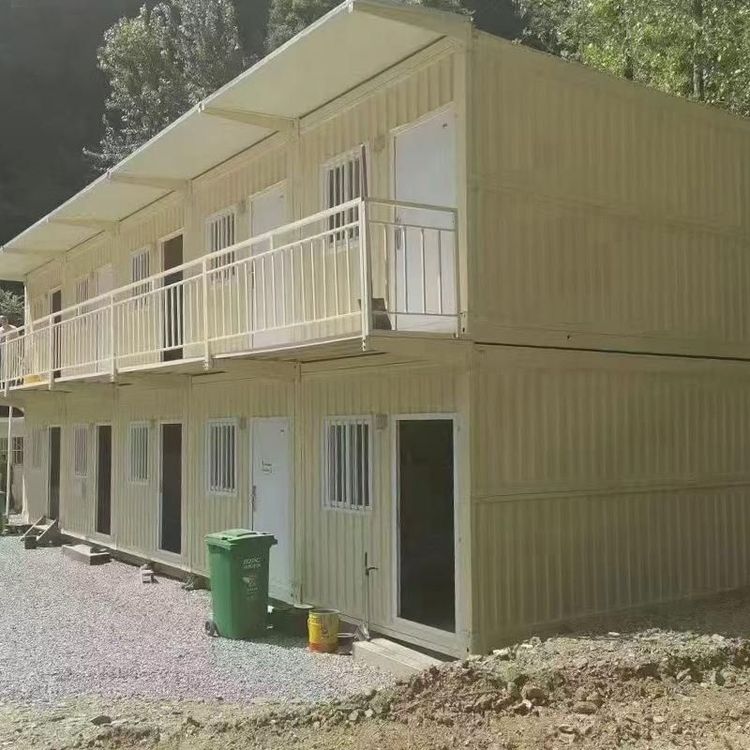
Xinyu Ankang Mobile Toilet Installation
For the installation and commissioning of mobile toilets in Xinyu, it is essential to focus on key aspects such as installation location, service scheduling, and functional checks. Here are the specific considerations:

1. Tailor the Installation Location to Local Conditions
The installation location of mobile toilets directly affects user experience and maintenance efficiency. When installing in outdoor public areas, keep them away from water pollution sources (such as drainage ditches and green belts) to prevent secondary environmental pollution from sewage seepage. The ground should be level and hardened to prevent toilet tilting or sewage pipe breakage due to ground subsidence. For installations at construction sites, maintain a minimum distance of 50 meters from the construction area to reduce dust and noise interference, and keep them away from living areas such as canteens and dormitories to prevent odor spread. In outdoor venues, it is advisable to reserve 2-3 meters of activity space to avoid congestion caused by closely packed toilets. In winter, consider using enclosed models that are wind and snow-resistant to enhance insulation.
2. Plan and Schedule Installation Services in Advance
The installation efficiency of mobile toilets is closely related to the service capabilities of the rental company. Reputable rental companies typically offer rapid delivery and installation services. For example, toilets dedicated to temporary events such as exhibitions and performances can be installed within 24 hours of receiving an order, ensuring timely use at the event site. However, for large-scale projects (such as construction sites and municipal projects), it is recommended to schedule installations 7 days in advance to avoid delays due to temporary stock shortages or personnel scheduling issues. Additionally, before installation, confirm details such as water and electricity access points with the site management (e.g., checking sunlight conditions for solar-powered models) and the direction of sewage pipes to ensure compatibility between the equipment and site conditions.
3. Conduct Comprehensive Functional Checks During Commissioning
After installation, functional commissioning is mandatory to prevent malfunctions during use. Key inspection items include:
- Flush System: Test whether the water tank level and water pressure are normal to ensure thorough cleaning of the toilet bowl with each flush.
- Door Lock and Sealing: Repeatedly open and close the door lock to check its flexibility, and confirm that the sealing strips between the toilet door and frame are intact to prevent odor leakage.
- Sewage Pipe Connection: Check that the interface between the sewage pipe and the septic tank or municipal sewer network is sealed to prevent sewage leakage.
- Power Supply Equipment: For solar-powered models, test battery energy storage and power supply stability; for models connected to the municipal power grid, check that the wiring is safe and free from electrical leakage.
It is recommended to personally test all functions before use, such as simulating flushing and turning lights on and off, to ensure normal equipment operation.
The installation and commissioning of mobile toilets should balance environmental adaptability, service timeliness, and functional reliability. Strict adherence to standards can significantly enhance user experience and reduce long-term maintenance costs.