
Xinmin Mobile Toilet
Currently, no specific introduction about mobile toilets in Xinmin City has been retrieved, but a general scientific explanation can be provided based on the common characteristics of mobile toilets.
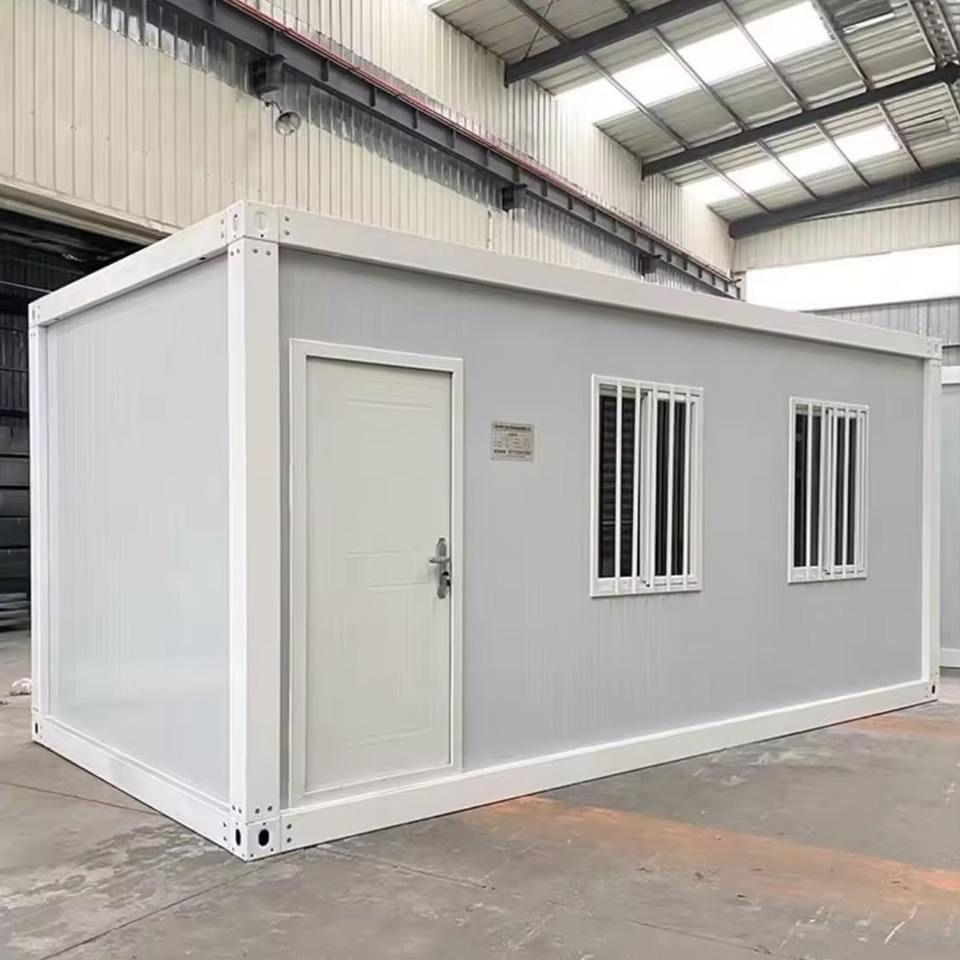
Mobile toilets are movable facilities that are typically installed at locations with fixed or temporary needs to provide toilet services to the public and customers. Their core feature is mobility, allowing them to be flexibly adjusted according to changes in the venue. For example, they are widely used in temporary demand scenarios such as large-scale events, construction sites, or tourist attractions. This characteristic distinguishes them from traditional fixed toilets and makes them more adaptable to use in dynamic environments.
In terms of treatment methods, mobile toilets exhibit diversity. Depending on the technology type, they can be classified as packaged, foam, microbial degradation, water-flush, etc. For instance, microbial degradation toilets use specific bacteria to decompose waste, reducing water consumption; water-flush toilets require connection to water supply and sewage systems and are suitable for scenarios with infrastructure support. The choice of different treatment methods should be based on a comprehensive consideration of factors such as the use scenario, environmental protection requirements, and cost.
Mobile toilets have a small footprint, typically ranging from a few square meters to a dozen square meters, and are compactly designed. This feature gives them significant advantages in areas with limited space (such as city streets, narrow alleys) or scenarios requiring rapid deployment (such as disaster response, temporary gatherings). At the same time, modern mobile toilets place greater emphasis on exterior design on the basis of practicality, using materials and colors that harmonize with the surrounding environment. Some high-end models are also equipped with barrier-free facilities, air conditioning, lighting, etc., to enhance the user experience.
From the construction perspective, mobile toilets usually adopt a factory-prefabricated finished product model, where the main structure is produced and assembled in the factory, and only simple installation is required on-site before use. This model shortens the construction period, reduces the impact of construction on the surrounding environment, and facilitates later maintenance and relocation. For example, before the tourist season, scenic spots can quickly add mobile toilets to cope with peak tourist flows; after the event, the facilities can be disassembled and transferred to other locations for reuse.
It should be noted that previously, residents of Xinmin City reported that an outdoor facility built on the north wall of the traffic police detachment was mistaken for a toilet, but it was later officially clarified that the building was actually used for storing police supplies and was not a toilet. This case reminds us that the planning and construction of mobile toilets must strictly adhere to relevant regulations to avoid misunderstandings caused by improper site selection or unclear signage.



