Design of Mobile Toilets in Xinjiang Scenic Areas
The design of mobile toilets in Xinjiang scenic areas closely integrates with local environmental characteristics, with targeted optimizations from form and material to technical systems.

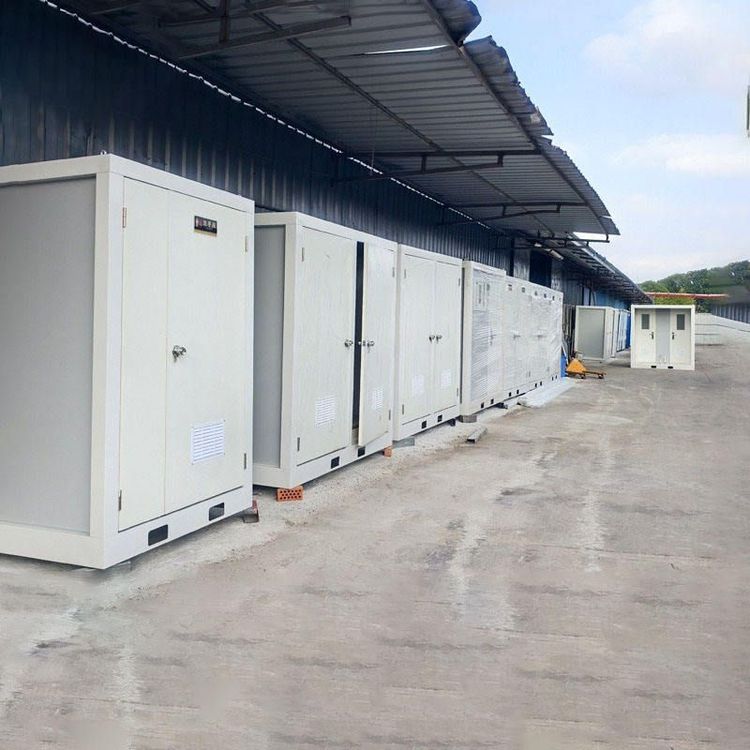
Form Design: Xinjiang is vast, with diverse scenic areas including deserts, grasslands, alpine lakes, and gobi regions, experiencing significant temperature variations, strong winds, intense ultraviolet radiation, and a lack of fixed piping networks in some areas. Therefore, the form design of mobile toilets prioritizes environmental adaptability. Their box structures typically use high-strength, corrosion-resistant materials with good thermal insulation properties to cope with high summer temperatures and severe winter cold. Additionally, the design must consider overall wind resistance and stability to prevent overturning in strong wind areas.
Material Selection: Wall panels must not only meet structural strength requirements but also be lightweight for easy transportation and installation. This design ensures the durability of the toilets while enhancing their flexibility and mobility.
Internal Functional Configuration: The spatial layout is optimized to achieve basic functional divisions such as toileting, handwashing, and storage within a limited area. Water-saving or waterless flushing technologies are widely adopted, such as foam sealing, microbial degradation, or packaged treatment systems, which significantly reduce water dependency and effectively handle waste. Sewage treatment units are typically integrated at the bottom or side of the box for on-site preliminary treatment or sealed storage.
Technical System Operation: In addition to waste treatment systems, modern mobile toilets usually incorporate ventilation, lighting, and user-friendly auxiliary facilities. Forced exhaust systems promptly remove odors, improving the internal air environment. Photovoltaic power supply systems have application advantages in Xinjiang scenic areas with abundant sunshine, providing energy for lighting and ventilation fans. Some facilities are also equipped with emergency call devices or spaces and handrails that meet barrier-free design standards to serve different tourist needs.
Site Selection and Maintenance: As temporary or semi-professional facilities, mobile toilets should be sited away from ecologically fragile areas and main sightlines to minimize visual interference with natural landscapes. Daily maintenance and management of the facilities, including regular waste removal, consumable replenishment, and cleaning and disinfection, are essential for ensuring their continuous usability and hygiene.