
Xinjiang Mobile Toilet Safety Inspection
The safety inspection of mobile toilets in Xinjiang covers multiple aspects such as structure, equipment, systems, hygiene, and privacy security, requiring professional inspections to ensure their safety and functionality.
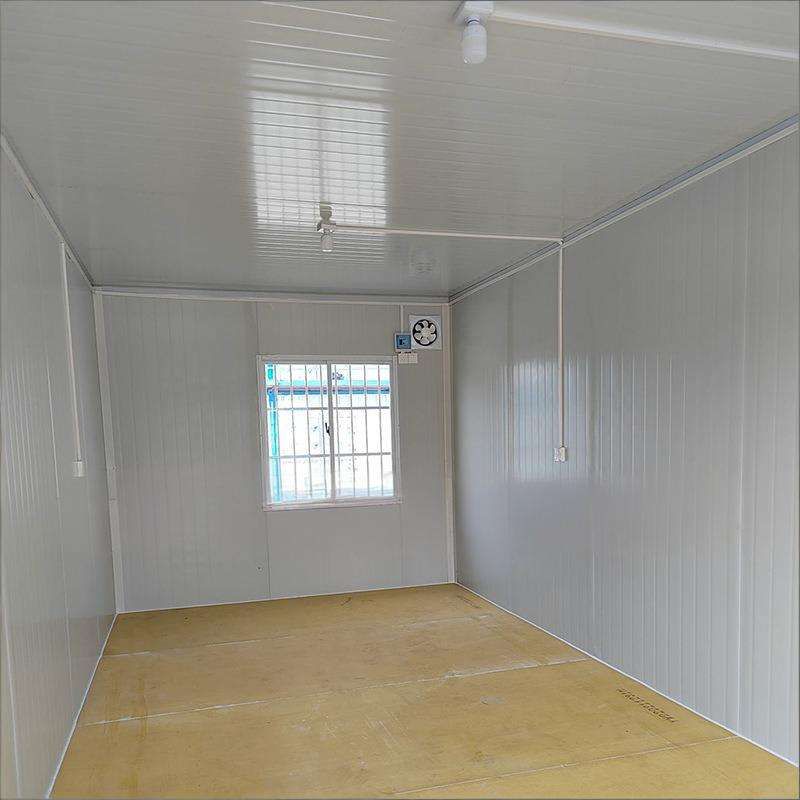
Structural Safety Inspection
Check whether the overall structure of the public toilet is stable, and whether there are issues such as tilting, cracks, or deformation. Inspection methods include visual inspection, using the naked eye or tools such as spirit levels and rangefinders to check the structural stability and verticality of the public toilet; and mechanical testing, using pressure testing equipment to check the load-bearing capacity of the public toilet floor.
Internal Equipment Inspection
Check the integrity and working status of equipment such as toilets, urinals, and sinks. Conduct visual inspections to check for damage or cracks on the equipment's exterior; and perform functional tests by actually operating the equipment to check whether the drainage functions are smooth.
Water Supply and Drainage System Inspection
Check the water supply pressure of the water supply system and the drainage capacity of the drainage system to ensure there are no leaks or blockages. Use a water pressure gauge to test whether the pressure in the water supply pipes is within the normal range; and conduct actual water discharge tests to check the smoothness of the drainage pipes and whether there are any blockages.
Electrical System Inspection
Check the safety and functionality of the electrical system, including lighting, ventilation, and heating devices. Use electrical testing instruments such as voltmeters and ammeters to test the working voltage and current of electrical equipment to ensure they are within safe ranges; and conduct actual operations to check the working status of each electrical device, such as whether the lighting is normal and whether the ventilation is effective.
Environmental Protection System Inspection
Check the working status of water-saving devices and deodorization devices to ensure environmental protection effects. Test the water-saving effect of water-saving devices through actual water consumption measurements; and use odor detectors to test the working effect of deodorization devices and check for any unpleasant odors.
Hygiene Condition Inspection
Check the overall hygiene condition of the mobile public toilet, including whether the floor, walls, and equipment surfaces are clean. Conduct visual inspections to check for obvious stains or garbage inside the public toilet; and use bacterial culture dishes for sampling, followed by bacterial culture and analysis to detect hygiene conditions.
Privacy Security Assurance Inspection
Ensure privacy security from aspects such as material selection, structural design, ventilation design, construction acceptance, and daily inspections. For example, use one-way mirrors or frosted/fogged glass, ensure there are no gaps between door panels and walls, adopt top ventilation windows or side louver windows, and establish a regular inspection system.



