
Photography Requirements for Mobile Toilets in Xinjiang
Currently, there are no specific photography requirements for mobile toilets in Xinjiang, but it is necessary to follow the principles related to video and image collection in public places and privacy protection.
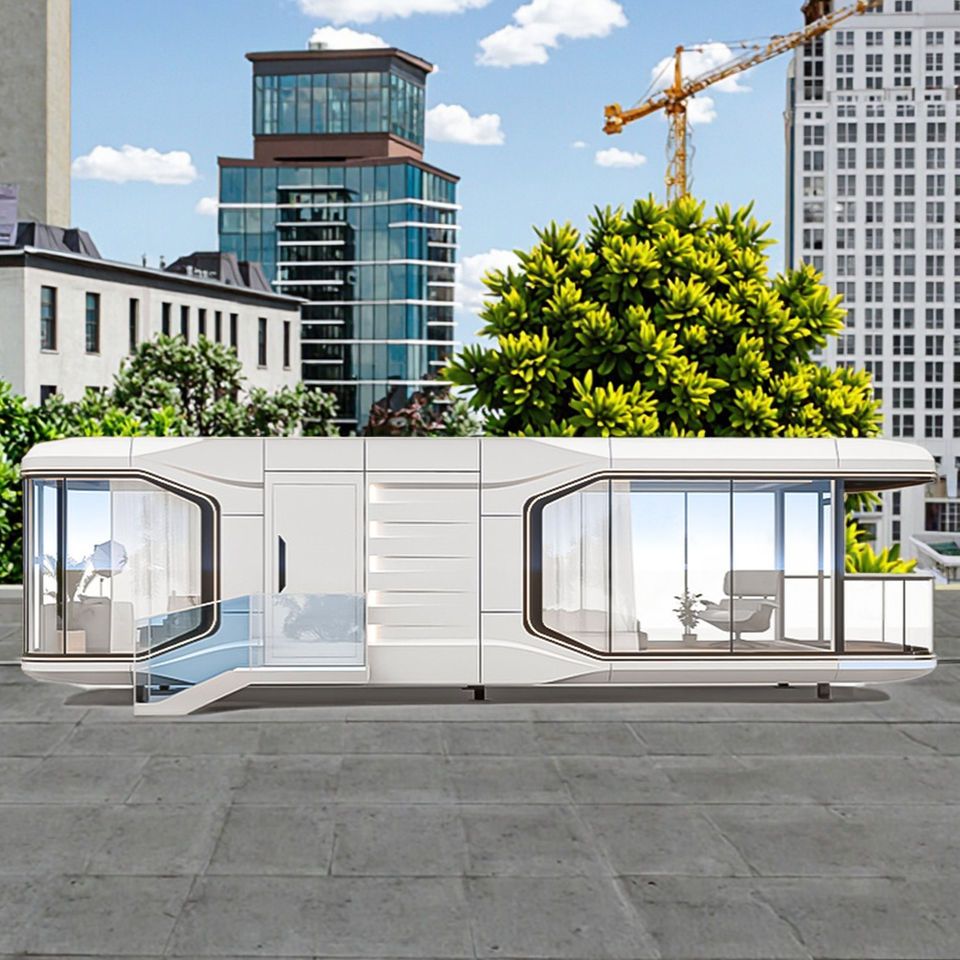
I. Basic Principles for Photography in Public Places According to the Regulations on the Administration of Public Security Video and Image Information Systems, the installation of image collection equipment and related facilities in public places should be necessary for maintaining public security. This means that when taking photos in public areas such as around mobile toilets, it is essential to ensure that the photography is related to the maintenance of public security and not carried out randomly without a purpose. For example, one should not conduct large-scale and long-term photography around mobile toilets for personal entertainment or other purposes unrelated to public security, so as not to disrupt normal order and the use by others.
II. Restrictions on Photography in Privacy Spaces The interior of a mobile toilet is a personal privacy space. Close-up photography without permission may infringe on personal privacy and even involve risks such as secretly taking photos and spreading private images. This is based on the protection of personal privacy rights, as everyone has the right not to be illegally observed and photographed in private spaces. Therefore, it is strictly prohibited to take photos inside mobile toilets without the consent of others, and it is even more unacceptable to spread the content involving others' privacy that has been photographed.
III. Precautions for Special Photography Purposes If the purpose of photography is to record architectural structures, sanitary conditions, or rural renovations, etc., one should first check the photography instructions and authorization information. For example, if commissioned by relevant departments for photography, it is necessary to clarify the specific requirements and authorization scope of the commissioning party. At the same time, attention should be paid to concealing people to avoid spreading content that includes identifiable details such as the faces of strangers, private body parts, and voices. Regular content usually focuses on showcasing architectural structures, user experiences, sanitary treatments, etc., rather than relying on exposing privacy to attract viewers. For example, when recording the sanitary conditions of mobile toilets, one should focus on the cleanliness of the toilets and the usage of sanitary facilities, rather than photographing people using the toilets.



