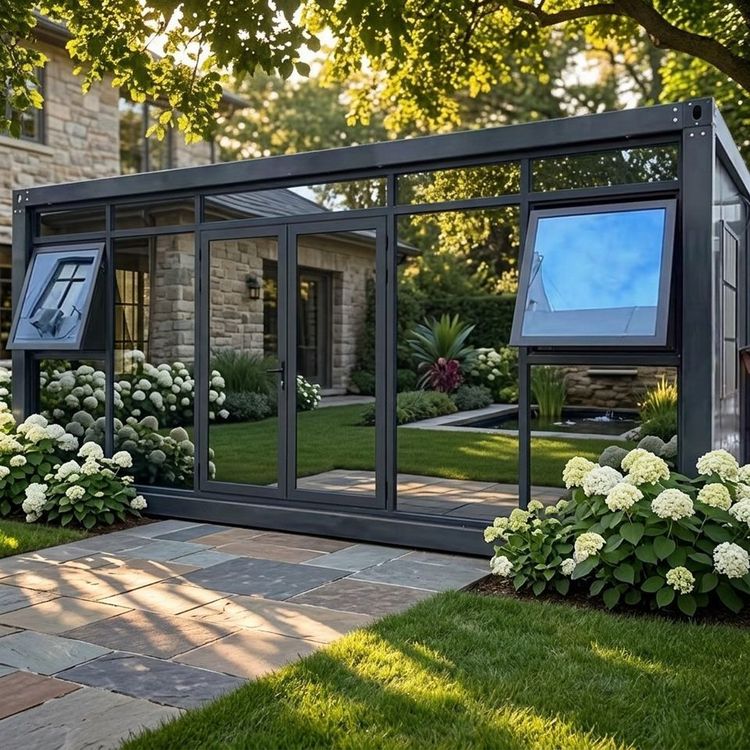
Construction of Mobile Environmental Toilets in Xinjiang
The construction of mobile environmental toilets in Xinjiang focuses on 'mobility' and 'environmental friendliness'. Through modular design, biodegradation technology, and resource recycling concepts, it achieves efficient deployment and environmental harmony, becoming an important direction for public facility construction in Xinjiang.

I. Core Design Concepts and Technical Principles
Mobile environmental toilets in Xinjiang adopt a modular box structure, which is lightweight yet sturdy, facilitating easy transportation and rapid installation. Their design allows for flexible adjustment of positions based on foot traffic, event needs, or seasonal changes, making them suitable for scenic spots, transportation hubs, outdoor event venues, and other settings. Technologically, environmental friendliness is achieved through two mainstream methods:
- Biodegradation Technology: Utilizing microorganisms to decompose waste into water, carbon dioxide, and a small amount of inorganic salts, reducing pollutant emissions. For example, some toilets complete waste degradation within 24 hours by adding specific bacterial strains, achieving harmless treatment.
- Physical-Chemical Treatment Technology: Combining physical separation (such as solid-liquid separation) with chemical disinfection (such as ultraviolet sterilization) to achieve water resource recycling. Some toilets use a circulating filtration system to purify flushing water for reuse, achieving a water-saving rate of over 80%.
Additionally, the toilets incorporate resource recycling designs, such as solar photovoltaic panels for power supply and rainwater collection systems, reducing reliance on traditional energy sources and adapting to Xinjiang's arid and rainless climate conditions.
II. Application Value and Advantages
- High Deployment Efficiency: Modular design shortens the installation period to a few hours, allowing for rapid adjustment of toilet locations based on foot traffic changes, alleviating queue issues during peak periods. For example, during the tourist season, scenic spots can temporarily add mobile toilets to enhance visitor experience.
- Cost Control: Eliminating the need for land acquisition, civil construction, and long-term maintenance costs associated with traditional public toilets, these mobile toilets are particularly suitable for land-constrained or temporary demand scenarios. According to statistics, the comprehensive cost of mobile toilets is approximately 30% lower than that of traditional public toilets.
- Strong Environmental Adaptability: In response to Xinjiang's large temperature variations between day and night and frequent sandstorms, the toilets adopt wind-resistant reinforcement structures and thermal insulation materials to ensure stable operation in environments ranging from -30°C to 50°C.
- Improved Landscape Coordination: The exterior design incorporates regional cultural elements, such as Uyghur patterns or desert hues, creating overall harmony with urban landscapes and tourist facilities.
III. Construction Progress and Industry Support
Xinjiang continues to intensify its efforts in tourist toilet construction. As of now, the total number of tourist toilets across the region has reached 4,335, with plans to build 188 fixed toilets and 47 mobile toilets in 2023. At the enterprise level, local manufacturers such as Xinjiang Tingqi Metal Products Co., Ltd. offer customized production services, adjusting toilet specifications, functions, and appearances according to customer needs, promoting product diversification.
The construction of mobile environmental toilets in Xinjiang effectively balances public needs and ecological protection through technological innovation and mode optimization, providing a replicable solution for public facility construction in arid regions.