Xinjiang Local Environmental Protection Mobile Toilet
The Xinjiang local environmental protection mobile toilet is designed by integrating local climate, resource characteristics, and environmental protection needs. It features water conservation, weather resistance, and resource recycling, and is widely used in scenic spots, public areas, and other settings.
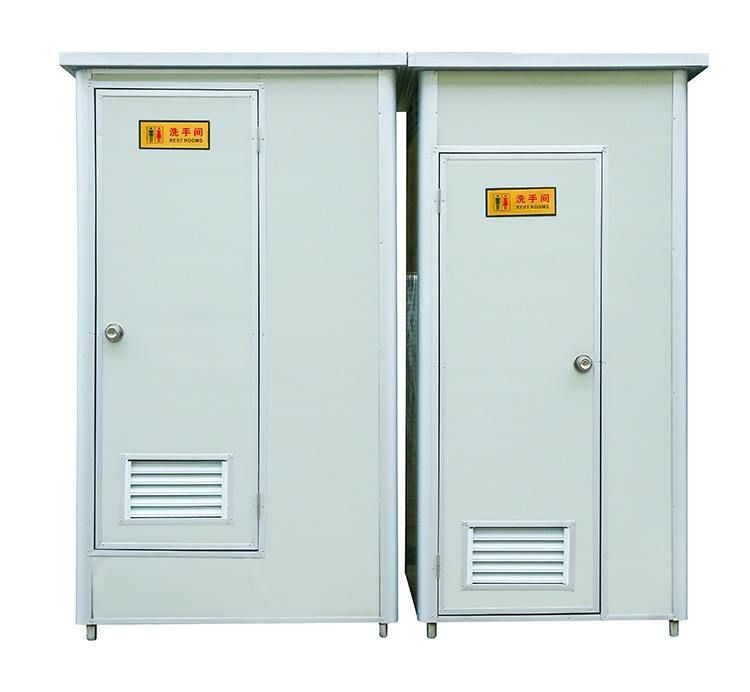
1. Technical Composition and Water-Saving Treatment
The core units of Xinjiang's environmental protection mobile toilets include treatment systems, sewage storage devices, and external frameworks. The treatment units mostly employ biodegradation or chemical decomposition technologies to effectively break down waste. The capacity of the sewage storage devices is calculated based on tourist flow in scenic spots to avoid frequent removal. In response to Xinjiang's water scarcity, some toilets adopt waterless or water-saving technologies. For example, vacuum suction systems reduce the single flush volume to below 0.5 liters, and foam sealing technology covers the waste surface with foaming liquid to achieve sealing and odor reduction, significantly reducing water consumption.
2. Extreme Climate Adaptability Design
Xinjiang experiences large temperature differences between day and night and frequent sandstorms. In winter, sewage storage tanks are equipped with insulation layers, and electric tracing systems are used in high-altitude scenic spots to prevent pipeline freezing. In summer, mechanical ventilation systems and activated carbon filtration devices enhance ventilation to lower internal temperatures and reduce odor concentration. The external framework is made of UV-resistant and wind-erosion-resistant materials, such as fiberglass, and the connecting components are designed to prevent loosening to cope with thermal expansion and contraction, ensuring long-term stability.
3. Environmental Protection Standards and Resource Recycling
Waste treatment follows a three-stage sedimentation principle, with solid waste composted and liquid waste treated by specialized facilities. Some scenic spots attempt to use the treated liquid for landscape plant irrigation, forming a closed loop. Technological innovation directions include resource recovery, such as extracting phosphorus and nitrogen elements from waste to convert into agricultural fertilizers or using microbial fuel cell technology to convert the chemical energy generated from organic matter decomposition into electricity, improving resource utilization.
4. Product Diversification and Customized Services
Local enterprises in Xinjiang, such as Tingqi Metal Products Co., Ltd., offer a variety of products. For example, mobile toilets with an 80803.0mm steel frame structure and double-layer polyurethane insulation material are heat-resistant, pressure-resistant, and customizable according to needs. There are also zinc-plated corrugated board wall toilets designed for Xinjiang theme parks, all hand-painted, combining practicality and aesthetics. In terms of layout, toilets are mostly placed at nodes along sightseeing paths, viewing platforms, and parking areas, balancing convenience of use with landscape integrity, and are equipped with barrier-free access.
5. Maintenance Management and Dynamic Adjustment
Maintenance includes regular removal and daily inspections. The frequency of removal is dynamically adjusted based on tourist volume, possibly daily during peak seasons and extended during off-peak seasons. Inspection items cover sealing performance, ventilation efficiency, and replenishment of sanitary supplies. Professional teams are equipped with specialized suction vehicles to ensure leak-free waste transfer and long-term stable operation.