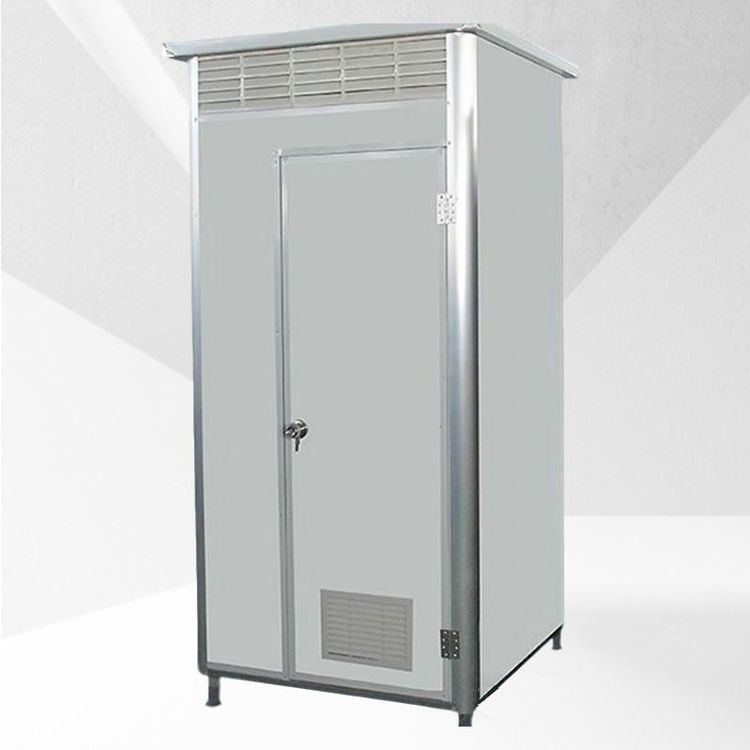
Xinjiang Hotan Mobile Outdoor Toilet
The mobile outdoor toilets in Hotan, Xinjiang, are convenient facilities established to address the shortage of urban public amenities. They are environmentally friendly, highly adaptable, and primarily located in areas with high foot traffic.
Distribution and Quantity
According to data from the Hotan City Urban Management Bureau in 2023, there are 45 mobile public toilets in the urban area, mainly distributed in three types of regions:
- Around scenic spots: 20 toilets to meet the concentrated toilet needs of tourists;
- Commercial areas: 15 toilets covering high-frequency activity places such as shopping and dining;
- Main roads and near communities: 10 toilets to supplement the blind spots in the coverage of fixed public toilets.
Each toilet has an average daily usage of about 200-300 people, and can reach over 500 people during peak holiday periods, highlighting their importance in public facilities.
Design and Functions
The mobile outdoor toilets in Hotan are designed with environmental protection as the core concept, with the following specific features:
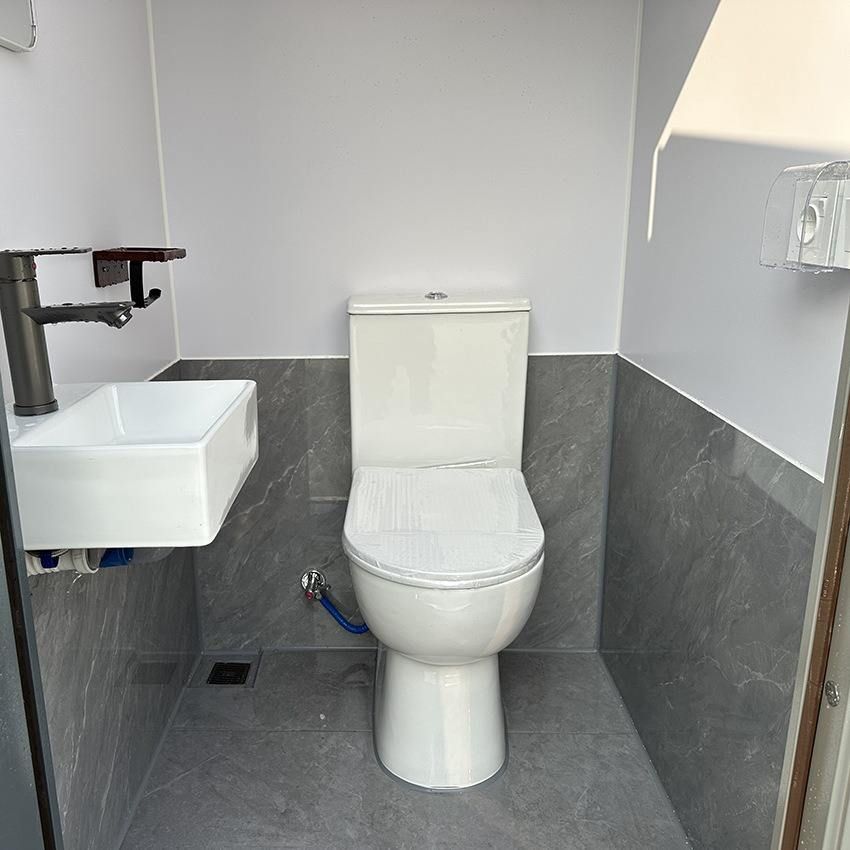
- Water conservation and energy utilization: Equipped with water-saving flushing systems to reduce water consumption; solar power supply devices provide electricity for lighting and equipment operation, reducing dependence on traditional energy sources.
- Barrier-free facilities: Some toilets are equipped with barrier-free access ramps, handrails, etc., to facilitate use by the elderly and disabled people.
- Modular structure: Adopt a box design for easy transportation and assembly, and can be quickly deployed to areas with temporary needs (such as large-scale event sites).
- Function integration: The internal space is reasonably planned, integrating basic units such as toilets, hand washing, and wastewater storage. Some models are also equipped with small heating or ventilation devices to adapt to extreme temperature environments.
Technical Implementation and Adaptability
- Water supply and drainage: Rely on built-in water storage tanks for water supply. Diverse technologies are used for drainage and fecal treatment:
- Packaging type: Feces are sealed and stored for regular removal;
- Biodegradation type: Utilize microorganisms to decompose organic matter, reducing pollution;
- Chemical treatment type: Disinfect and deodorize by adding chemicals.
- Environmental adaptability: The box body is made of heat-insulating sandwich panels, and some models are equipped with heating or ventilation devices to ensure normal operation in high-temperature or low-temperature environments.
Operation and Maintenance
The operation of mobile toilets relies on regular service support, including:
- Waste removal: Regularly clean the fecal storage tanks or packaging bags to prevent overflow;
- Sanitation and cleaning: Disinfect and deodorize daily to keep the internal environment clean;
- Consumable replenishment: Timely replacement of consumables such as toilet paper and hand soap;
- Equipment inspection: Regularly inspect and maintain the flushing system, power supply devices, etc., to ensure normal functions.
Opening Hours
Most toilets are open from 6:00 to 22:00. Some toilets that are open 24 hours a day will be locked at night, and users need to contact the administrator (the phone number is posted on the exterior wall) for use.