Xinjiang Container House Price
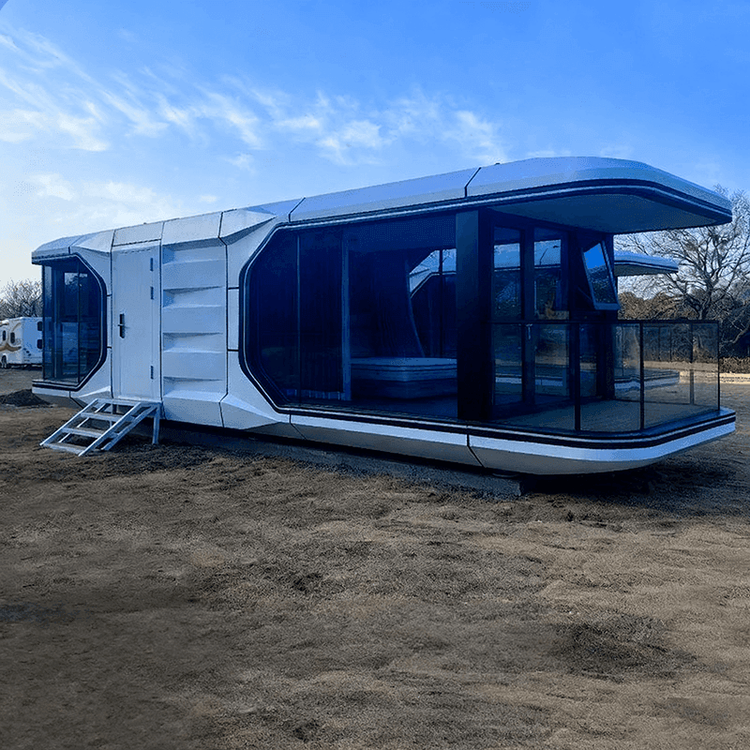
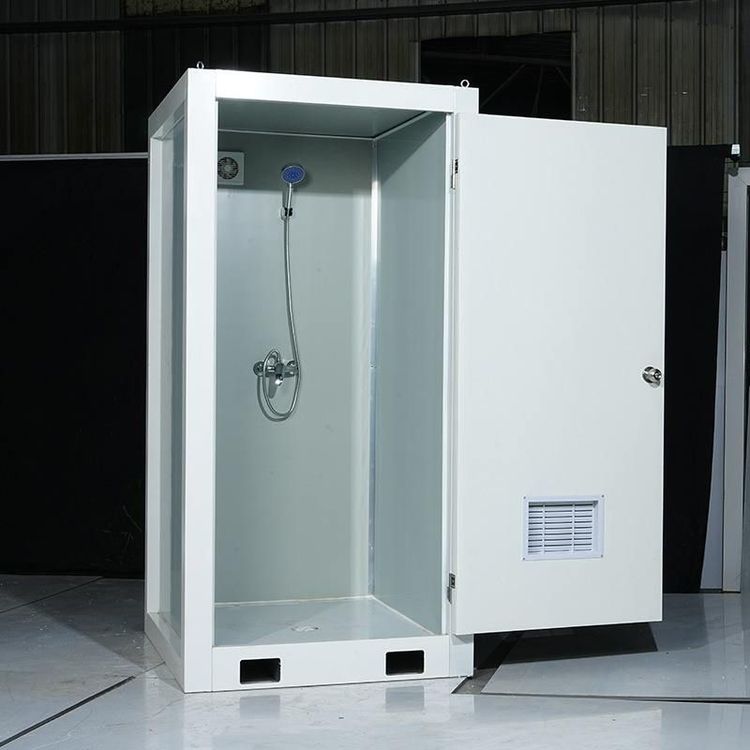
The prices of container houses in Xinjiang vary due to factors such as region, configuration, and demand. The prices at the Khorgos Port are generally about 15%-30% higher than those in North China, and a comprehensive assessment needs to be made based on transportation costs, configuration requirements, and purchase volume.

1. Core reasons for the higher prices at the Khorgos Port
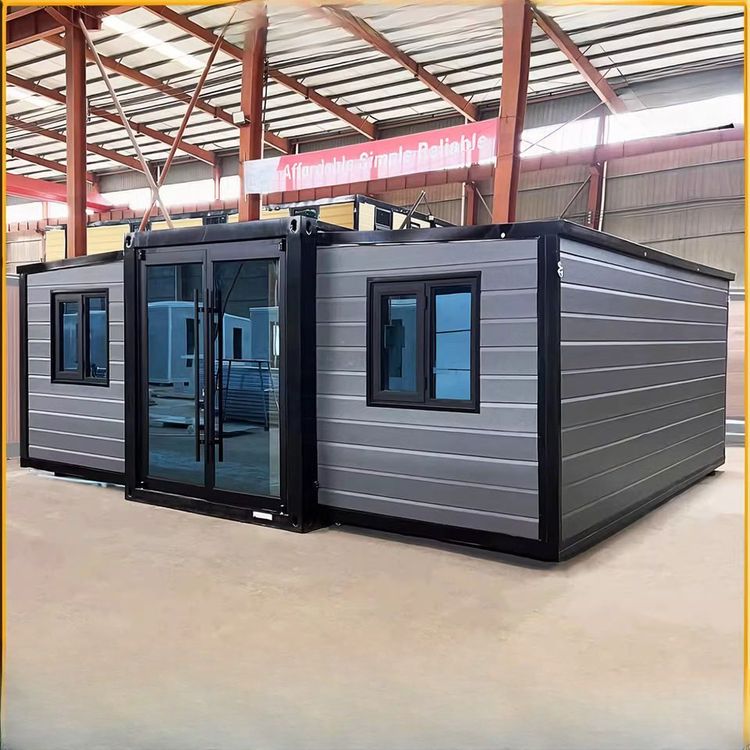
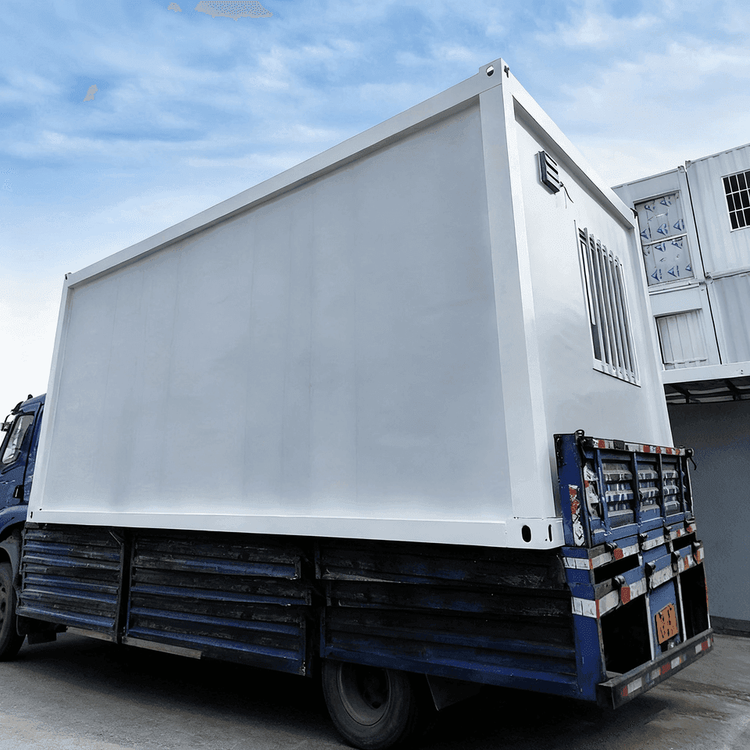
Located on the border, container houses at the Khorgos Port need to be transported over long distances from the inland areas (such as North China and East China), with a transportation distance of about 3,000-4,000 kilometers. The freight alone can increase the cost of a single container by several thousand yuan. In addition, the severe cold in winter in the local area requires higher insulation and wind resistance performance, necessitating the use of configurations such as ≥100mm thickened insulation layers, double-glazed windows, and bottom anti-freezing measures, further driving up prices. For example, the price of a cold-resistant, well-decorated container house at the Khorgos Port ranges from 11,000 to 15,000 yuan per set, while products of the same specifications in North China only cost 8,500 to 12,000 yuan per set.
2. Sources of the price advantage in North China
North China, especially Hebei Province, is a cluster area for the integrated housing industry in China. It has a mature industrial chain, concentrated factories, and a well-established supply chain for raw materials such as steel and panels, resulting in lower basic ex-factory prices. At the same time, local procurement can save on long-distance transportation costs and shorten delivery cycles. For example, the price of a simple basic container house in North China ranges from 6,000 to 8,500 yuan per set, and the price of a standard, well-decorated container house ranges from 8,500 to 12,000 yuan per set, both lower than those of similar products at the Khorgos Port.
3. Impact of demand structure on prices
As a node for opening up to the west, the demand for container houses at the Khorgos Port mainly comes from scenarios such as foreign trade warehousing and port support facilities, which have higher requirements for container specifications and configurations and more customized demands, leading to corresponding price increases. In contrast, the demand in North China is mainly for construction site dormitories, with a high proportion of standardized products and more transparent pricing.
4. Suggestions for purchase volume and manufacturer selection
In Xinjiang, if the purchase volume is small, it is advisable to give priority to local manufacturers (such as Falilai) to avoid the terminal price being pushed up by logistics costs. If the purchase volume is large, transportation plans can be negotiated with inland manufacturers to reduce costs. At the same time, precise communication with manufacturers after clarifying requirements can lead to more favorable quotations.