Images of Cement Prefabricated Houses in Xinjiang
Images of cement prefabricated houses in Xinjiang can be obtained by viewing the high-definition large images provided by Xinjiang Jilong Pipe Industry Co., Ltd. on Made-in-China.com. The following is a popular science introduction from the aspects of house types, appearance characteristics, and structural advantages:

House Types
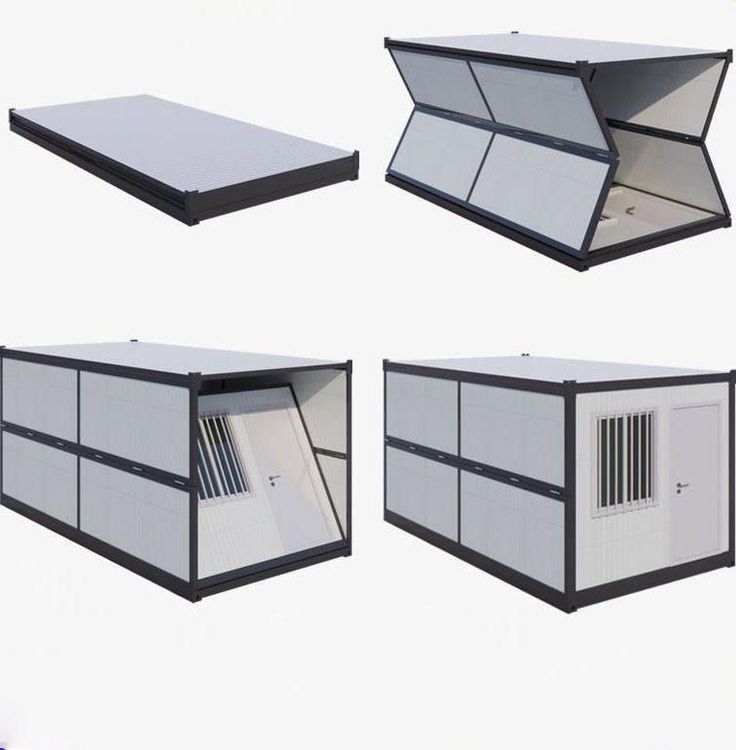
The cement prefabricated houses provided by Xinjiang Jilong Pipe Industry Co., Ltd. mainly include cement mobile houses, cement houses, and concrete integral prefabricated houses. Cement mobile houses are movable, making it convenient to adjust and relocate their positions according to actual needs. They are suitable for temporary or places requiring flexible layouts, such as temporary office areas on construction sites and wilderness operation camps. Cement houses focus more on fixed living or usage functions. With a stable structure, they can serve as long-term residential houses, warehouses, etc. Concrete integral prefabricated houses are prefabricated as a whole in the factory for each part of the house and then transported to the site for assembly. Such houses have strong integrity and fast construction speed.
Appearance Characteristics
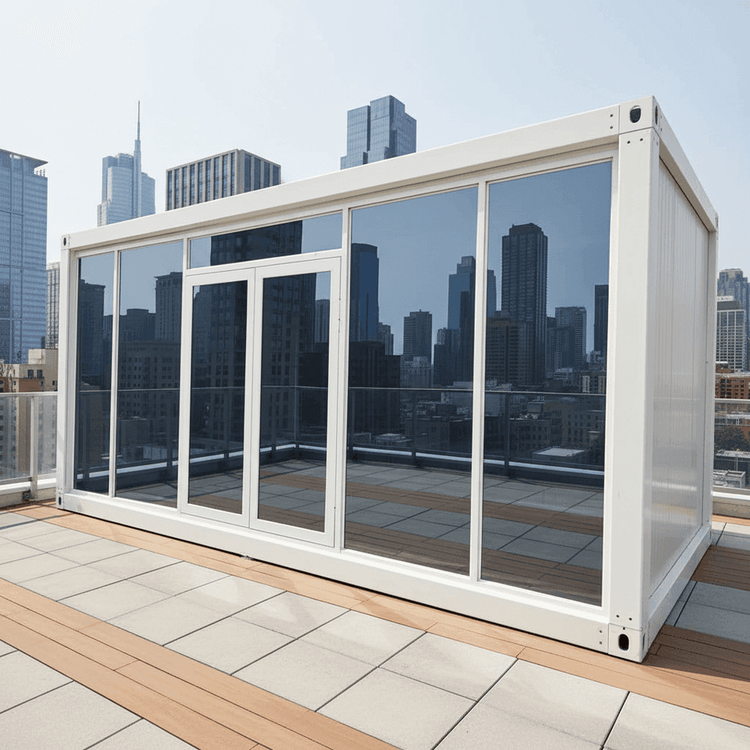
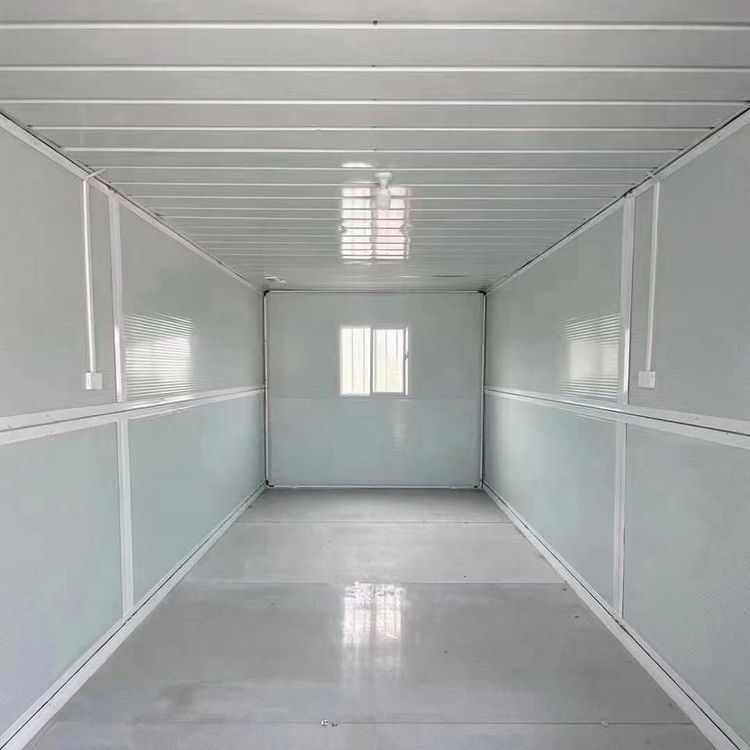
As can be seen from the high-definition large images provided by the company, these cement prefabricated houses have a simple and elegant appearance. They usually adopt regular geometric shapes in design with smooth lines, giving people a sense of stability and sturdiness. The exterior facades of the houses can be decorated according to different needs. For example, exterior wall coatings can be applied to provide a rich variety of color choices to meet the aesthetic needs of different users; exterior wall tiles can also be pasted to enhance the texture and aesthetics of the houses. The designs of windows and doors are also relatively reasonable, ensuring good ventilation and lighting effects.
Structural Advantages
Cement prefabricated houses are prefabricated as a whole using materials such as concrete, giving them high strength and stability. Their structures can withstand relatively large external forces, such as natural disasters like earthquakes and strong winds, providing reliable safety guarantees for occupants. At the same time, due to prefabricated production in the factory, the dimensions of each component of the house are highly accurate, and the quality is easy to control, reducing errors and uncertainties in on-site construction. Moreover, the construction process of prefabricated houses is relatively simple and does not require a large amount of on-site wet work, which can greatly shorten the construction period and reduce construction costs.