Xining Intelligent Mobile Toilet Installation
The installation of intelligent mobile toilets in Xining requires a combination of modular design, environmental protection technologies, and localized services to achieve efficient deployment through scientific evaluation and standardized operations.

I. Modular Installation Process
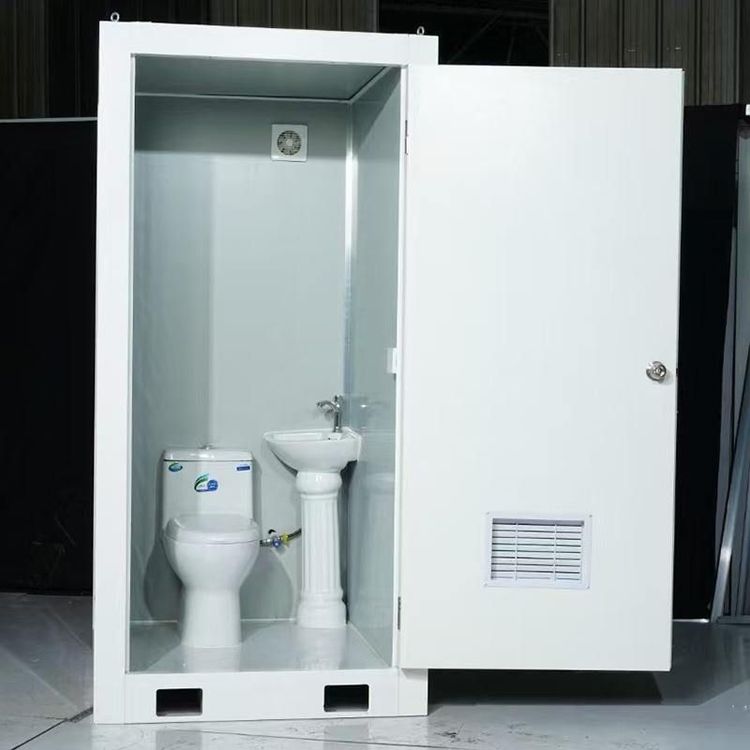
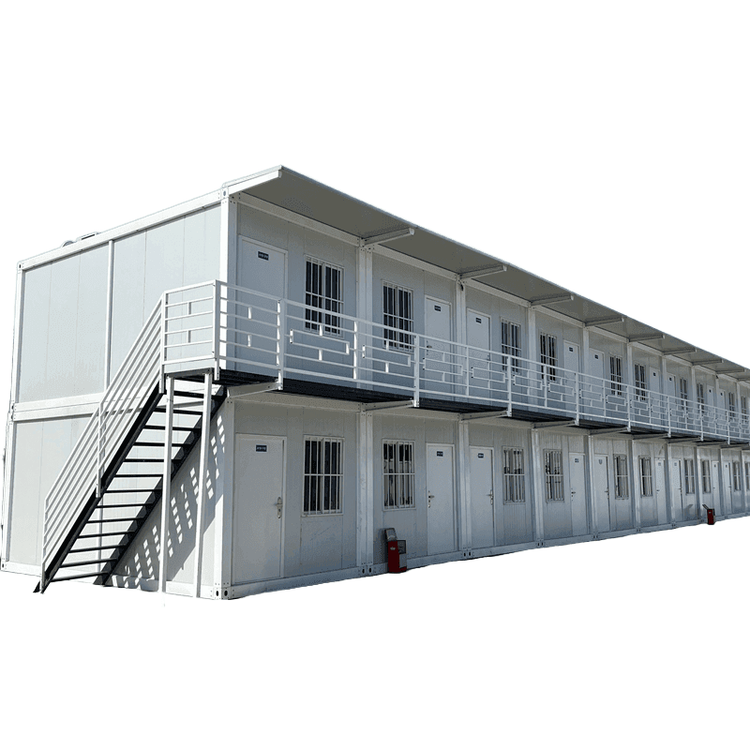
Intelligent mobile toilets adopt a modular design, dividing functions into independent units (such as frame support, sanitation treatment, and space enclosure), which are prefabricated in factories and then transported to the site for assembly. The installation steps include:
- Foundation Treatment: Select adjustable concrete piers or steel frame bases according to geological conditions to avoid compromising ground stability. For example, in high-altitude areas like Xining, the influence of permafrost must be considered, and the foundation must have anti-settlement capabilities.
- Box Body Hoisting: Use lifting equipment to precisely align the prefabricated modules, ensuring structural stability.
- Pipe Connection: The sewage system can be connected to the municipal sewer network or equipped with integrated biological treatment equipment/sewage storage tanks, the latter requiring regular pumping; the ventilation system combines natural convection with mechanical exhaust to maintain air circulation.
II. Environmental Protection Technology Adaptation
In view of Xining's climatic characteristics, environmental protection design should focus on the following aspects:
- Anti-freezing and Thermal Insulation: In winter, heating tapes need to be installed to prevent pipe freezing. The outer shell adopts double-layer color steel sandwich panels (such as 50mm rock wool filling) or galvanized square tubes + stainless steel cladding, combining fire prevention, thermal insulation, and UV resistance.
- Water Resource Recycling: Some products are equipped with rainwater collection devices or graywater reuse systems to reduce tap water consumption.
- Sewage Treatment: Integrated biological treatment equipment decomposes waste through microorganisms, avoiding soil and water pollution; sewage storage tanks must be sealed to prevent leakage.
III. Pre-installation Evaluation and Coordination
- Geology and Site Selection: Evaluate ground bearing capacity and avoid low-lying areas prone to water accumulation; determine the location according to pedestrian flow patterns, such as placing them near activity centers in communities or exhibitions.
- Energy Supply: Optional solar power supply systems can be selected to adapt to Xining's abundant sunshine and reduce operating costs.
- Localized Services: Prioritize suppliers that offer rapid response. For example, Xining Yaqi Color Steel Plate Company can complete delivery and foundation installation within 7 working days, suitable for short-term projects; Guting Metal Products are adapted to high-altitude climates, but the fault response time is longer (about 48 hours), requiring advance maintenance planning.
IV. Intelligent Management Integration
Some products integrate sensors and wireless transmission technologies to monitor usage status, consumable inventory (such as toilet paper, hand soap), and environmental parameters (such as temperature, humidity, and air quality) in real-time, synchronizing data to a management platform to optimize maintenance efficiency.
V. Key Precautions
- Sealing: The sewage outlet connection must use flange rings (wax rings or rubber rings), and cement mortar fixation is prohibited to prevent leakage.
- Water and Electricity Reservation: Outlets should be concealed 30-40cm high on one side of the toilet; the water inlet angle valve should be pre-embedded before tiling to avoid damaging the waterproof layer with later drilling.
- Foundation Maintenance: After tiling, the floor must be cured for at least 48 hours before installing the toilet to prevent cement shrinkage from causing displacement.