
Back to blog
Article
Xingtai Residential Container House
Admin September 16, 2026
The Xingtai residential container house is a temporary or semi-permanent residential building transformed from a container base. It features environmental protection, energy efficiency, flexible combination, and convenient transportation, and is widely used in scenarios such as construction site dormitories, field operations, and temporary housing at tourist attractions.
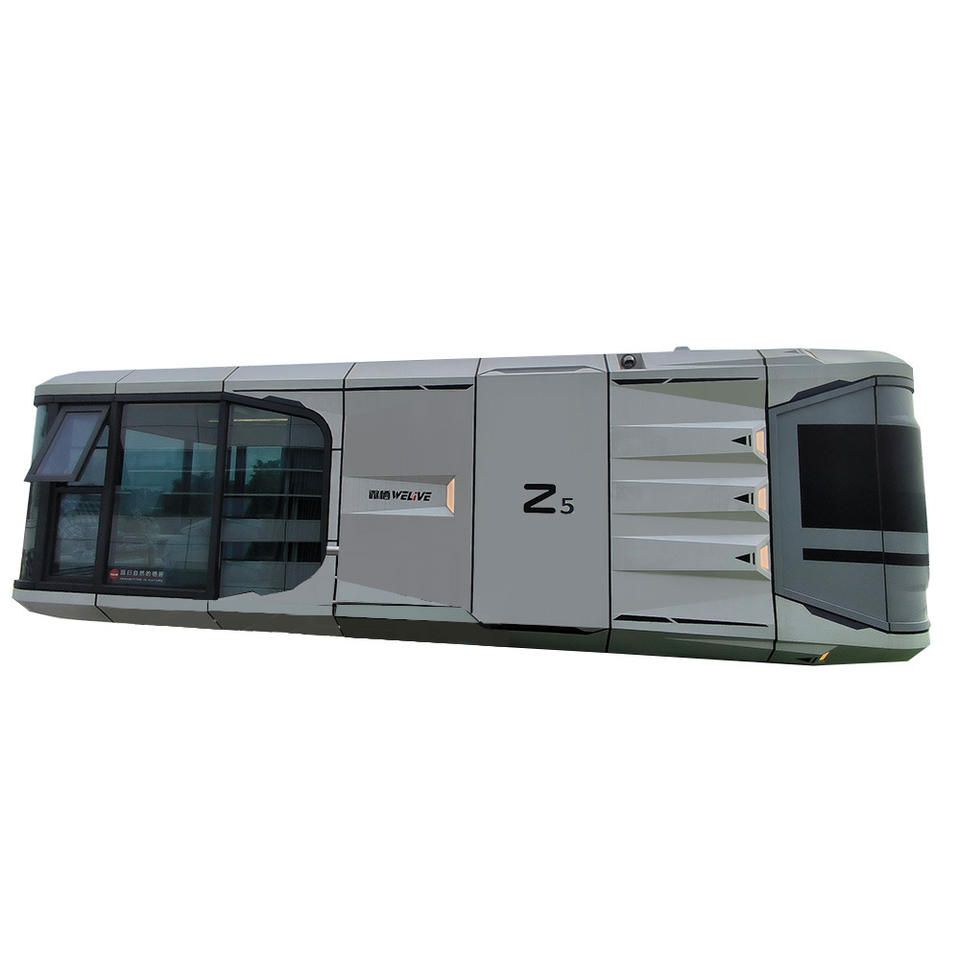
I. Types and Structural Features
There are various types of residential container houses in the Xingtai area, including foldable containers, flatbed containers, packing-box units, color-steel houses, K-type panel houses, corrugated containers, and welded containers. Their structural features are as follows:
- Manufacturing Process: They adopt a welded or quick-assembly structure with few welded parts, ensuring structural stability and a neat appearance.
- Installation Convenience: On-site installation and disassembly are easy, requiring the cooperation of only 2-3 people and taking a relatively short time.
- Transportation and Storage: Transportation costs are low. A 6-meter vehicle can carry about 6 sets, and a 17.5-meter flatbed truck can carry about 20 sets. During storage, they can be stacked in multiple layers to save space.
II. Performance Advantages
- Cost Optimization: Compared with traditional color-steel houses and other container houses, residential container houses have certain advantages in terms of usage costs.
- Durability and Recyclability: They possess fire resistance, earthquake resistance, wind resistance, and rain leakage prevention properties. They can be folded repeatedly more than 500 times and have a long service life with reasonable use.
- Environmental Protection: Some products use A-grade fireproof materials such as rock wool boards and fireproof cotton, meeting environmental protection and fire safety requirements.
III. Application Scenarios
- Construction Sites: They serve as temporary facilities such as worker dormitories, offices, kitchens, and restrooms.
- Field Operations: They are suitable for field operation housing in geological exploration, oil extraction, and other fields.
- Tourist Attractions: They function as temporary viewing rooms, homestays, or tourist support facilities.
- Emergency Residence: They meet emergency residence standards and can be used for post-disaster reconstruction or temporary resettlement.
IV. Safety Precautions
- Material Selection: Prioritize the use of A-grade fireproof materials such as rock wool boards and fireproof cotton, and avoid using flammable materials such as polystyrene and polyurethane foam.
- Fire Separation Distance: Maintain a safe distance of at least 6 meters between container houses to prevent the spread of fire.
- Electrical Safety: Protect cables with protective sleeves. Use metal galvanized boxes for sockets and switch boxes and install them openly. Equip with simple fire-fighting equipment.
- Heat Source Management: Keep heat sources and fire sources away from container houses, and maintain a safe distance for open-flame operations.



