
How About Xing'an Container Houses
Xing'an container houses generally have certain advantages, but they also have some drawbacks, so careful consideration is needed when choosing them.
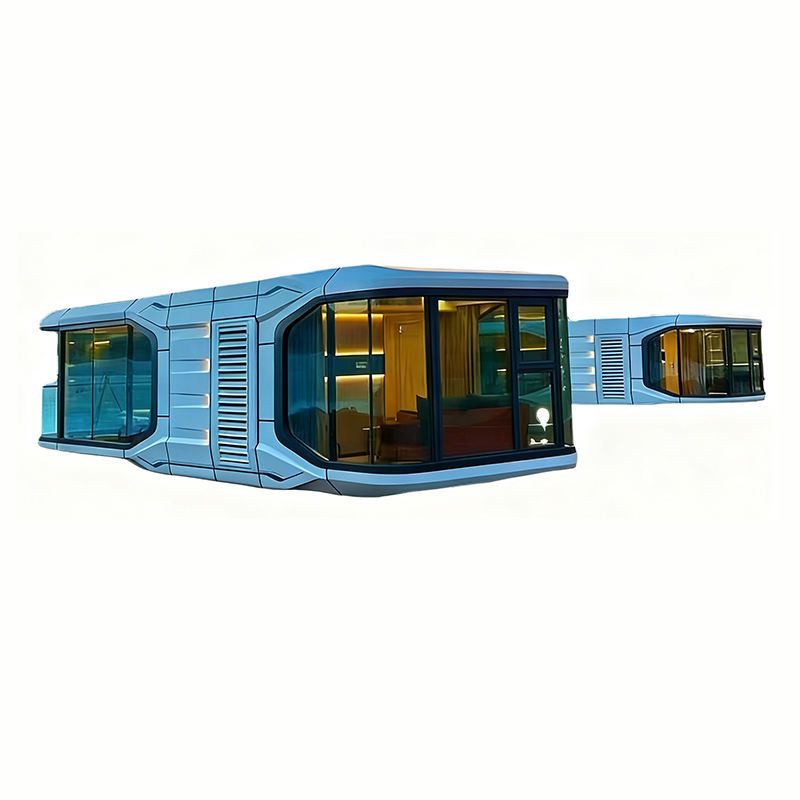
Advantages and Features
1. Flexibility and Customized Design
Relying on the technical background of enterprises such as Jinhua Xin'an Steel Structure Engineering Co., Ltd., Xing'an container houses can offer customized design solutions, covering the entire process from design, production, sales, to installation. This model allows users to adjust the house size, layout, and functional divisions according to actual needs, making them suitable for scenarios such as temporary housing, creative office spaces, and commercial exhibition halls, meeting diverse usage requirements.
2. Environmental Protection and Cost-Effectiveness
Container houses use recycled steel as raw materials, aligning with the concept of a circular economy, and have relatively low energy consumption during production. Compared to traditional buildings, they have significant cost advantages, especially for projects with limited budgets or those requiring rapid deployment, such as post-disaster emergency housing and temporary on-site dormitories.
3. Rapid Construction and Portability
The modular structure of containers supports standardized production, resulting in short on-site installation periods and significantly reducing construction time. At the same time, the entire house can be disassembled and relocated, adapting to changes in site requirements, such as temporary campsites in tourist attractions and event exhibition halls.
Potential Issues
1. Low Safety Factor
Currently, specific safety parameters (such as structural strength and seismic resistance) for Xing'an brand products have not been retrieved, but such issues are common in the industry. Some container houses may deform or collapse under extreme weather conditions or external impacts due to thin walls and insufficient connector strength.
2. Prominent Fire Hazards
Some container panel houses use flammable sandwich materials (such as polystyrene foam), which burn rapidly and produce toxic smoke in case of fire, making firefighting difficult. Although regulations require the use of fire-resistant materials like rock wool, lax market supervision may lead to the circulation of inferior products.
3. Limitations for Long-Term Use
The metal material of container houses is prone to rust and requires regular maintenance. Their thermal insulation performance is poor, necessitating additional air conditioning or thermal insulation layers in summer. The living comfort (such as sound insulation and ventilation) is generally lower than that of traditional buildings, making them more suitable for short-term or transitional use.
Recommendations
If considering Xing'an container houses, it is essential to verify whether their production processes comply with national standards (such as GB/T 22776-2008 'Freight Containers - Corner Fittings') and request material test reports and fire safety certification documents. Additionally, assess safety requirements based on the usage scenario. For example, post-disaster emergency buildings should prioritize products with high fire resistance ratings, while long-term residences require enhanced thermal insulation and ventilation designs.



