Back to blog
Article
Xincheng Container Houses
Admin September 13, 2026
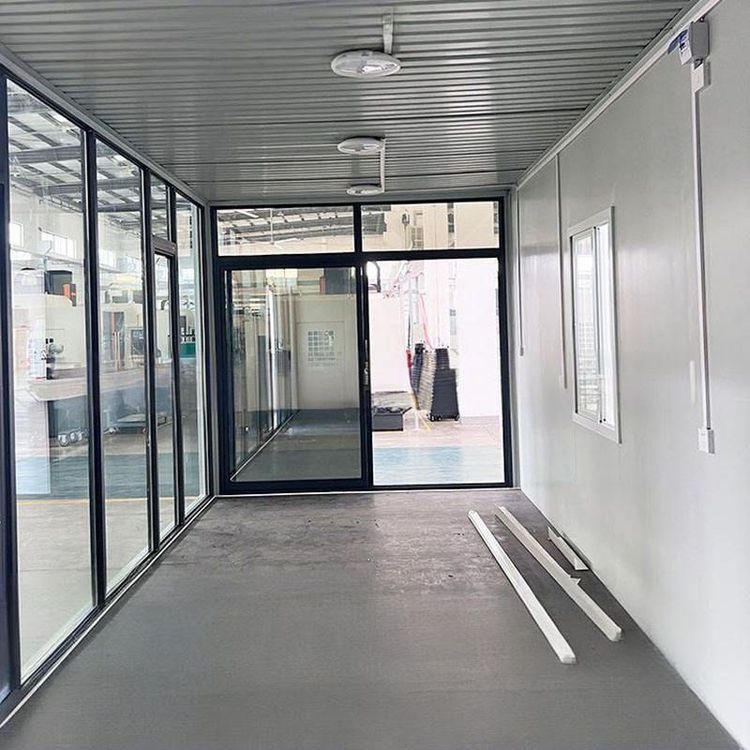
Xincheng container houses are temporary or semi-permanent building structures converted and assembled from standardized shipping containers. They offer fast installation, low cost, durability, and environmental benefits, while also having drawbacks such as fixed spatial layouts, and they are used across a wide range of scenarios.

Advantages:
- Fast installation and dismantling: Containers are prefabricated; on-site assembly requires only simple fastening, which greatly shortens the construction period. When relocating or removing them, they can be quickly disassembled and reused, making them suitable for scenarios that need to be put into use quickly.
- High cost-effectiveness: Construction and transportation costs are lower than those of traditional buildings, and containers can be reused multiple times, so long-term use costs are lower.
- Strong durability: Made of high-strength steel, they offer wind and earthquake resistance and can adapt to harsh environments such as construction sites and temporary shelters in disaster areas.
- Eco-friendly and energy-efficient: Reuse reduces construction waste; the enclosed structure effectively isolates the exterior environment and lowers energy consumption; some units use eco-friendly materials with notable thermal insulation performance.
- High flexibility: Customized designs are supported, and interior space can be divided as needed, suitable for guesthouses, commercial displays, offices, and many other functional scenarios.
- Convenient setup: Factory prefabrication simplifies on-site assembly, with no complex foundation work required, saving time and labor costs.
- Diverse appearance: Rich design styles can meet different aesthetic needs, from simple modern to vintage looks, enhancing visual appeal.
- Comfortable living: Equipped with complete living facilities (such as beds, kitchens, and bathrooms) plus ventilation and daylighting systems, the indoor environment is bright and comfortable.
- Safety assurance: Fitted with sturdy door locks, firefighting equipment, and other safety facilities to ensure safe use.
Disadvantages:
- Fixed spatial layout: Container sizes are standardized, so interior space adjustments are limited and functional zoning needs to be planned in advance.
- Limited daylighting and ventilation: The enclosed structure may lead to insufficient natural light and airflow, which should be improved through design optimization (such as adding windows and ventilation systems).
- Safety and stability require consideration: Under extreme weather or geological conditions, fastening measures must be strengthened to ensure structural stability.
Application scenarios: Widely used for temporary offices, dormitories, and warehouses on construction sites, as well as schools, hospitals, and commercial stalls; they can also be turned into distinctive guesthouses or temporary leisure venues, such as the container guesthouse project in Xi'an Xincheng, which achieves flexible and adaptable space use through innovative design.
Related