
Back to blog
Article
Xicheng Mobile Toilet Rental Process
Admin September 20, 2026
The rental process for mobile toilets in Xicheng typically includes steps such as demand confirmation, plan design and quotation, supplier contact and contract signing, site preparation, equipment transportation, on-site installation, service tracking and maintenance, and rental conclusion and settlement. Details are as follows:
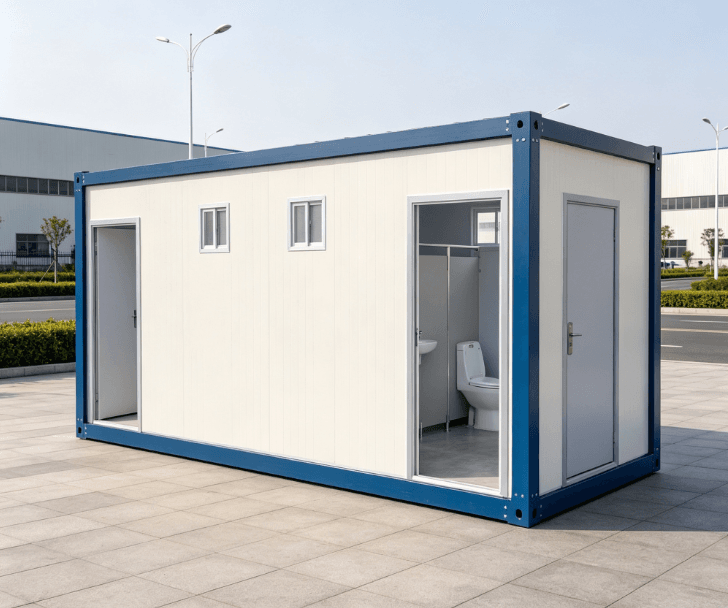
- Demand Confirmation: The event organizer needs to clarify the basic information of the event or usage scenario, including the event time, number of participants, duration, venue location, and surrounding environmental conditions. At the same time, consider special needs, such as whether accessible toilets, handwashing stations, or septic tank cleaning services are required, so that subsequent rental services can accurately match the needs.
- Plan Design and Quotation: Based on the event organizer's needs and the specific circumstances of the event, a professional team designs an appropriate toilet rental plan and provides a detailed quotation. This quotation takes into account various factors to ensure that the event organizer can clearly understand the cost composition.
- Supplier Contact and Contract Signing: After determining the type and quantity of equipment needed, the event organizer contacts the mobile toilet rental service provider. The two parties communicate details such as equipment inventory, rental prices, and service content, clarifying the scope of services and the responsibilities and obligations of both parties. After reaching a consensus, a formal rental contract is signed. The contract should clearly specify key information such as the rental period, equipment quantity, model specifications, service fees, payment methods, and breach handling clauses.
- Site Preparation: The event organizer needs to complete site preparation work, determining the area where the toilets will be placed. The ground should be flat and solid, away from food areas and main thoroughfares. Ensure that equipment transportation vehicles can enter and exit the site smoothly, and clear obstacles in advance if necessary. At the same time, plan water supply pipelines and drainage channels. If the equipment needs to be connected to a water source or discharge sewage, the interface positions should be arranged in advance, and the surrounding environment should be checked to avoid the placement of equipment affecting other event activities.
- Equipment Transportation: The supplier arranges special vehicles to transport the mobile toilets to the event site at the agreed time, taking proper fixed protection measures during transportation to prevent equipment damage. For large-scale events, transportation may need to be carried out in batches, and vehicle scheduling plans should be coordinated in advance. The event organizer should send personnel to the site to receive the vehicles and guide them to the designated parking positions. In case of traffic control or abnormal weather conditions, both parties should communicate promptly to adjust the transportation plan.
- On-site Installation: After the equipment arrives, the supplier's technicians carry out on-site installation, including placing the equipment, leveling and fixing it, connecting water and electricity pipelines, testing the flushing system, and replenishing sanitary supplies to ensure that the equipment can be used normally.
- Service Tracking and Maintenance: During the rental period, the lessor will conduct regular service tracking and maintenance of the toilets, promptly handling any potential problems to ensure the normal use of the toilets.
- Rental Conclusion and Settlement: After the rental period ends, the lessor inspects the toilets, confirms the equipment condition, and then proceeds with the settlement to ensure that the rental fees are accurate.
Related



