Xiangyang Construction Site Mobile Toilet Design
The design of mobile toilets for construction sites in Xiangyang needs to comprehensively consider structural design, functional customization, and sanitation guarantee mechanisms to meet the actual needs of construction sites.

I. Structural Design and Material Selection
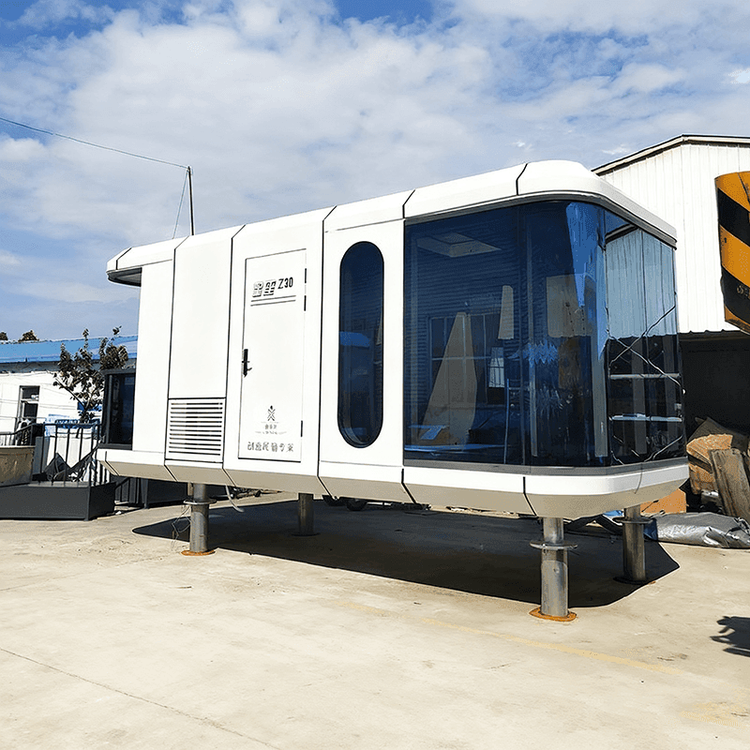
Mobile toilets for construction sites need to have high strength and corrosion resistance to adapt to complex construction environments. Xiangyang Xinyijia Integrated Housing Mobile Toilet Manufacturer adopts a thickened steel frame structure with anti-corrosion and anti-rust treatment on the surface, which can effectively resist construction site dust, humidity, and mechanical collisions, extending the service life. The steel frame structure also provides stable support, ensuring the overall stability of the mobile toilet and avoiding the risk of tilting due to uneven ground or concentrated use by personnel.
II. Functional Customization and Scene Adaptation
Different construction site scenarios have varying demands for mobile toilets, requiring customized design to optimize functionality. Xuhu Company's rental services support customization based on event themes and site environments. For example, for large-scale construction projects, multi-stall combined toilets can be designed to meet the concentrated use needs of workers during peak hours; for remote construction sites or scenarios with high environmental protection requirements, circulating flush toilets or waterless packing toilets can be selected to reduce water consumption and sewage discharge. In addition, the size, color, and标识 (logos) of mobile toilets can also be adjusted according to the overall planning of the construction site to enhance coordination with the surrounding environment.
III. Sanitation Guarantee Mechanism Design
Sanitation guarantee is the core of mobile toilet design and requires systematic planning from aspects such as excreta treatment, disinfection, ventilation, and waste transportation.
- Excreta Treatment System: Depending on the construction site conditions, choose a direct discharge type (requiring connection to the municipal sewage pipe network) or a circulating flush type (equipped with a fecal storage tank and purification device). The latter reduces odors and pollution through biological degradation or chemical treatment.
- Disinfection and Deodorization: Establish a regular disinfection cycle (e.g., twice a day), covering toilet stalls, floors, and fecal storage tanks; ventilation design adopts mechanical ventilation matched with activated carbon filtration devices to quickly expel odors; floor drains use U-shaped trap structures to prevent sewage backflow and odor reflux.
- Waste Transportation: Design standardized fecal storage tanks or packing bags for easy regular cleaning and transportation; collaborate with professional sanitation companies to establish a transportation chain to ensure compliant waste treatment and avoid secondary pollution.
Through systematic design of structural reinforcement, functional customization, and sanitation mechanisms, mobile toilets for construction sites in Xiangyang can efficiently meet the needs of workers while complying with environmental protection and construction management regulations.