Xiangxi Prefabricated Houses
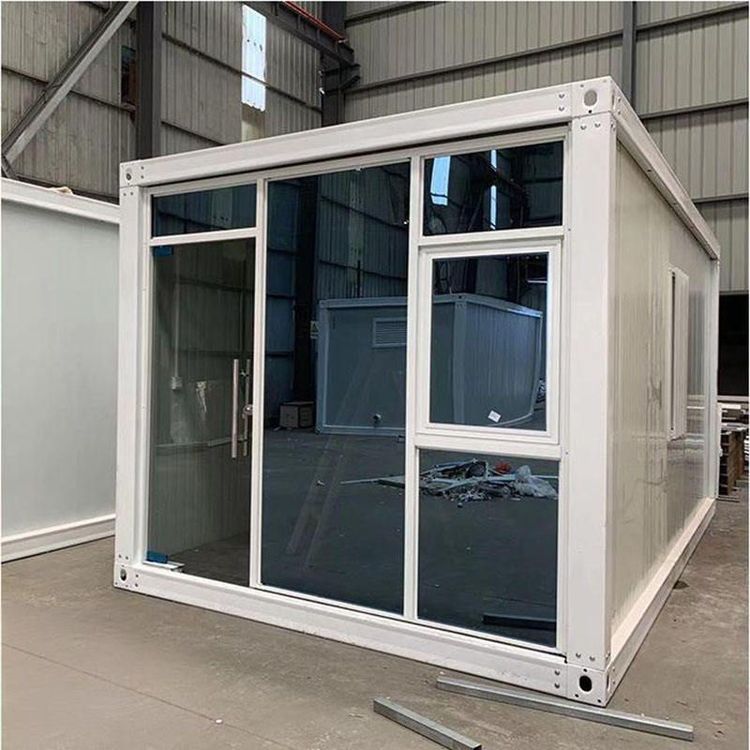
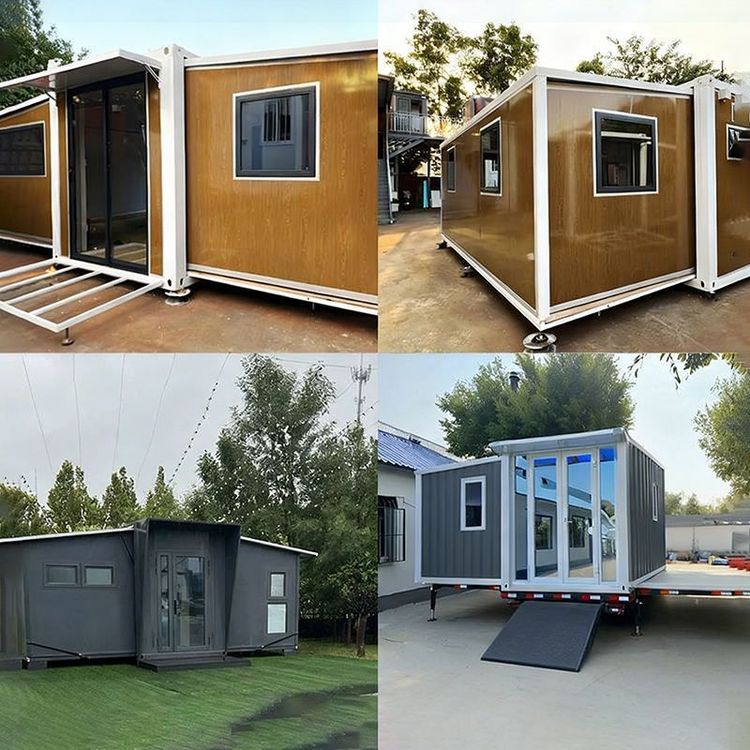
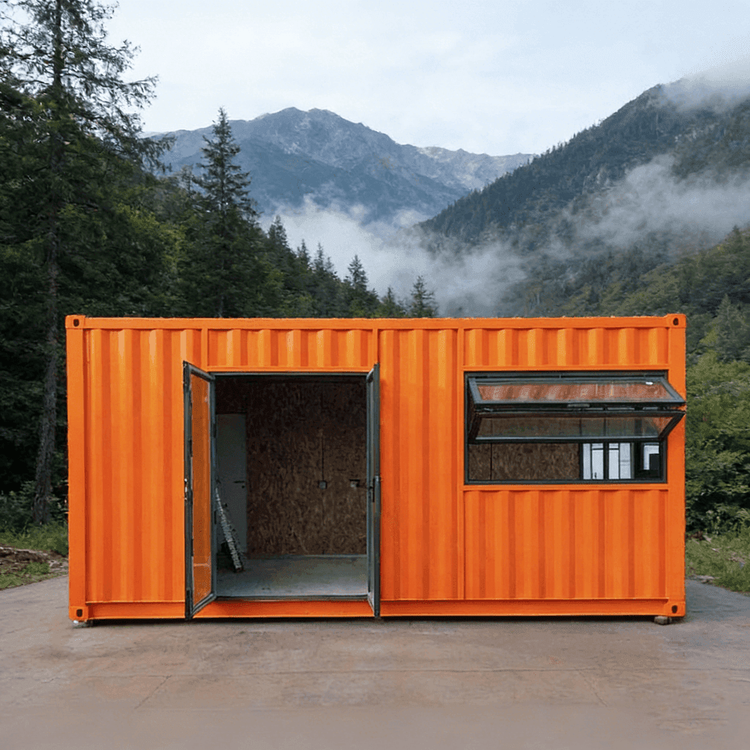
Prefabricated houses in Xiangxi are mainly modern prefabricated buildings, with traditional wooden structures coexisting with modern technologies. However, newly built residences mostly adopt cast-in-place concrete or prefabricated technologies.

Traditional Architectural Form: Stilted Houses with Ganlan Structure
Traditional dwellings in Xiangxi are represented by fully wooden stilted houses with a ganlan structure (stilted houses). Their floors are made of wooden planks joined together using mortise-and-tenon joints, demonstrating the application of early wooden prefabricated components. This structure adapts to mountainous terrain and offers advantages such as ventilation and moisture resistance. However, due to limitations in material durability and seismic performance, it is rarely directly used in modern newly built residences.
Modern Prefabricated Housing Practices
Prefabricated Housing Case Study
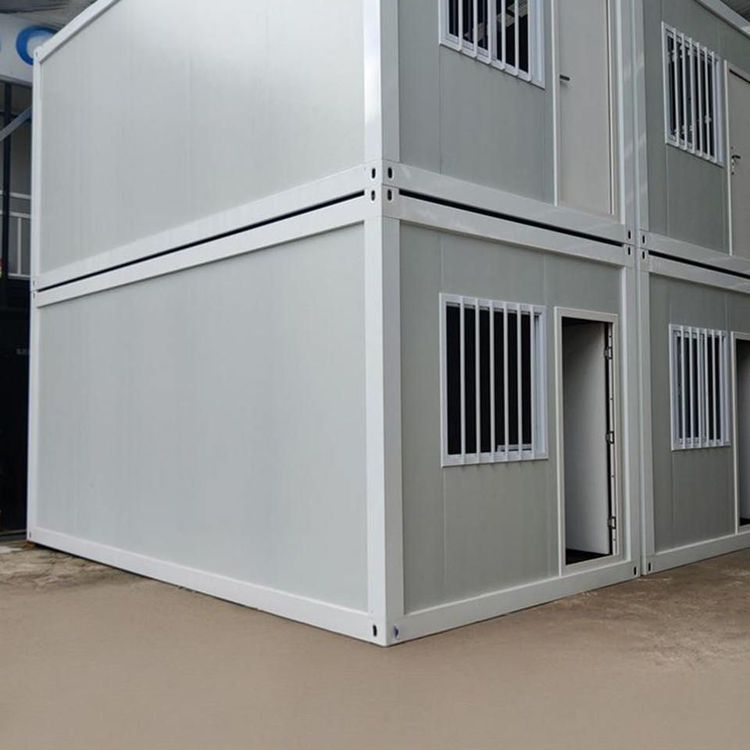
Hunan Hongnuo New Building Materials Co., Ltd. has introduced prefabricated housing in Jinshi Town, utilizing factory-prefabricated components (such as wall panels, floor slabs, and stairs) for on-site assembly. A 154-square-meter residence can have its main structure installed within one day. This technology significantly shortens the construction period through standardized design and industrial production while reducing on-site wet operations, aligning with green building trends.Evolution of Rural Self-Built Houses
Since the 1980s, prefabricated slabs (five-hole slabs) have been widely used as floor materials in rural areas of Hunan. However, due to their weak joint connections and poor overall integrity, they are prone to damage during earthquakes and other disasters, leading to their gradual replacement by cast-in-place concrete. Currently, some rural villas use hidden concrete floor slabs, which are cast on-site with formwork support and steel bar binding. Although the structural form is not directly observable from the exterior, their overall integrity and durability are significantly improved.Overseas Technological Accumulation
Hunan Construction Investment Group has undertaken a modular dormitory project in Indonesia, employing steel modular technology with a building lifespan of 50 years and a construction period 90% shorter than traditional methods. Although this project does not directly involve the Xiangxi region, it reflects the technological accumulation of Hunan enterprises in the prefabricated construction field and provides a reference for promoting steel modular prefabricated buildings in Xiangxi in the future.
Technological Differences and Trends
There are significant differences between traditional dwellings and modern prefabricated houses in Xiangxi in terms of materials (wood vs. concrete/steel), structures (mortise-and-tenon joints vs. bolt/welding connections), and construction methods (on-site processing vs. factory prefabrication). Currently, newly built residences in Xiangxi tend to adopt cast-in-place concrete or prefabricated technologies to enhance structural safety, durability, and construction efficiency while meeting seismic design requirements.