
Wuzhong Mobile Toilet Installation Specifications
Currently, there are no specific local standards for the installation specifications of mobile toilets in Wuzhong, but national and industry general standards can be referenced, such as the "Hygiene Specifications for Mobile Toilets" (GB/T 21239-2023) and relevant standards for building installation engineering.
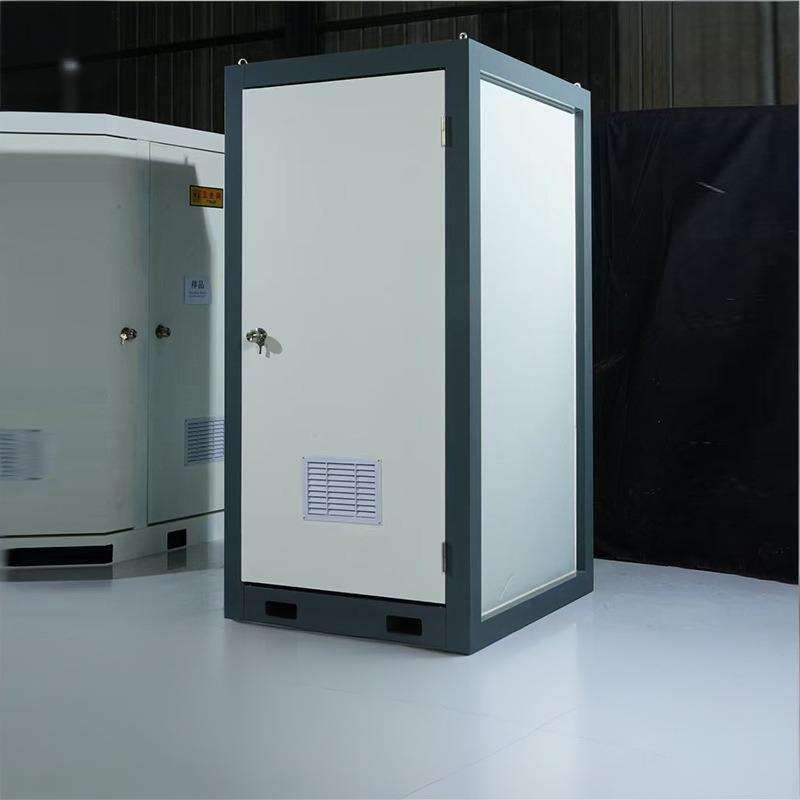
I. Basis for Basic Installation Specifications
The installation of mobile toilets must adhere to national mandatory standards and industry specifications. The "Hygiene Specifications for Mobile Toilets" (GB/T 21239-2023) serves as the core basis, clearly defining the design, manufacturing, installation, and acceptance requirements for mobile toilets, covering key indicators such as structural stability, sanitary facility configuration, and ventilation and odor control. Additionally, the "Unified Standard for Construction Quality Acceptance of Building Installation Engineering" (GB50300-2013) and the "Technical Code for Construction Safety of Building Installation Engineering" (GB50345-2010) provide a general framework for construction safety and quality acceptance, ensuring that the installation process meets engineering safety requirements.
II. Installation Location and Environmental Requirements
- Site Selection Principles: Mobile toilets should be installed in flat, dry, and well-ventilated areas, avoiding low-lying areas prone to water accumulation to prevent rainwater backflow or foundation settlement. If used in public places, considerations should be given to pedestrian traffic, ease of use, and privacy protection, maintaining a reasonable distance from surrounding buildings.
- Environmental Harmony: The installation location should harmonize with the surrounding environmental landscape, avoiding impacts on urban appearance or public space functionality. For example, mobile toilets in scenic areas should blend with the natural landscape, adopting concealed designs or green shielding.
III. Structural and Facility Installation Specifications
- Foundation Stability: Depending on the type of mobile toilet (e.g., single-unit or trailer-mounted), a concrete foundation should be poured or anti-slip mats used to ensure the equipment is placed horizontally and meets wind resistance standards. For trailer-mounted toilets, the traction device's firmness should be checked to prevent displacement during transportation or use.
- Sanitary Facility Configuration: Toilets, sinks, sewage pipes, etc., should be installed according to specifications, ensuring good sealing to prevent leakage. The sewage system should be connected to the municipal sewer network or an independent septic tank, with the septic tank capacity meeting usage needs and being regularly cleaned.
- Ventilation and Odor Control: Forced exhaust equipment or natural ventilation openings should be installed to maintain internal air circulation. Toilets can be equipped with odor-proof valves or biodegradation technology to reduce odor diffusion.
IV. Safety and Acceptance Requirements
- Electrical Safety: If equipped with lighting, heating, etc., waterproof and explosion-proof sockets should be used, and wiring should comply with GB50303-2015 "Code for Acceptance of Construction Quality of Building Electrical Engineering" to avoid electric shock risks.
- Acceptance Process: After installation, functional tests should be conducted to check if systems such as flushing, sewage discharge, and ventilation are operating normally and if structural stability meets standards. Acceptance documents should include construction records, equipment certificates, and test reports to ensure compliance with the acceptance clauses of GB/T 21239-2023.
If there are additional local requirements in Wuzhong (such as special environmental adaptations for cold resistance or sand prevention), the installation plan should be further refined in conjunction with guidance from local construction authorities.



