
Wuxi Public Mobile Toilet Design
The design of public mobile toilets in Wuxi emphasizes humanization and environmental protection, while balancing functionality and aesthetics.
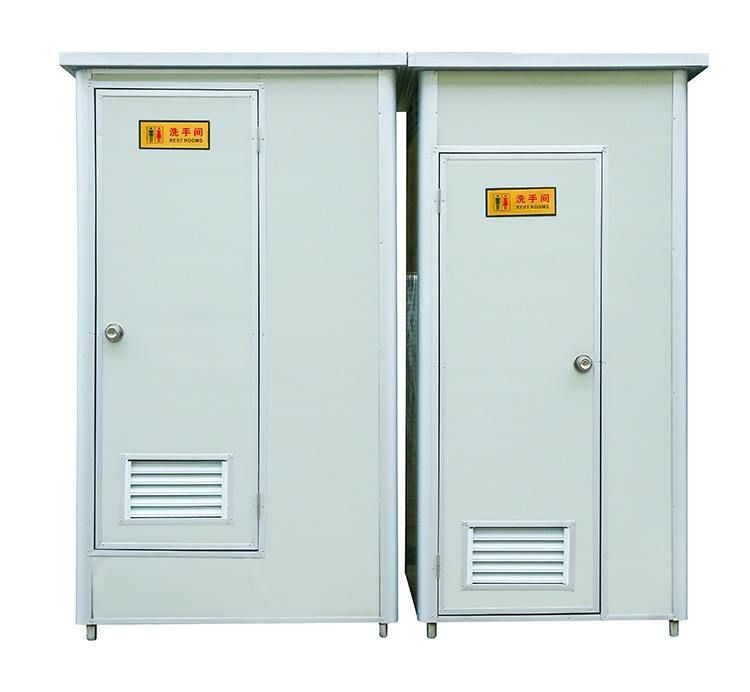
1. Application of Environmental Protection Technologies
Public mobile toilets in Wuxi commonly employ waterless flushing or biodegradation technologies, which are central to their eco-friendly design. Waterless flushing reduces water consumption through foam sealing or vacuum suction, while biodegradation utilizes microorganisms to decompose waste into harmless substances. These technologies not only conserve water resources but also reduce environmental pollution from sewage discharge, aligning with sustainable development principles.
2. Human-Oriented Space Design
The interior layout is designed with user needs in mind, typically offering spaciousness to avoid a cramped feeling. Essential sanitary facilities such as sinks and hand dryers are fully equipped, with some high-end models adding special functional areas like maternal and infant care stations and barrier-free handrails to meet diverse needs. Additionally, the widespread use of ventilation systems effectively improves indoor air quality by reducing odor accumulation through forced or natural ventilation, enhancing user comfort.
3. Integration with Urban Aesthetics
The exterior design breaks away from the stereotype of traditional public toilets, adopting clean lines or regional cultural elements that harmonize with Wuxi's urban style. For example, some mobile toilets feature local stone or antique brick facades, with color schemes that complement surrounding buildings, becoming a complementary part of the urban landscape rather than an eyesore. This design not only enhances the city's appearance but also reduces public resistance to public toilets.
4. Maintenance and Management Assurance
To ensure long-term hygiene, Wuxi implements a regular cleaning and disinfection system for mobile toilets, with cleaning frequencies adjusted dynamically based on usage volume, increasing during peak times. Some areas have introduced intelligent management systems that monitor usage frequency and odor concentration through sensors, enabling real-time scheduling of cleaning staff. Furthermore, the use of biodegradation technology reduces the need for traditional cesspool cleaning, lowering maintenance costs.
5. Technological Iteration and Functional Expansion
With technological advancements, some mobile toilets in Wuxi have begun piloting energy-saving features such as solar power and rainwater harvesting to further reduce operational energy consumption. Additionally, for special scenarios like tourist attractions, design teams have developed portable ecological toilets that can be rapidly deployed through modular combinations to meet temporary needs. These innovations reflect the adaptability of public facility design to diverse usage scenarios.



