
Wuxi Prefabricated Assembled Housing
Wuxi has made remarkable progress in the field of prefabricated assembled housing, achieving positive developments in policy promotion, project practice, technological advantages, quality control, and application scenarios.
In terms of policy promotion, the Wuxi Housing and Urban-Rural Development Bureau has issued multiple policy documents to standardize relevant indicators for prefabricated buildings and implement supportive policies. Starting from October 1, 2024, construction, contracting, and supervision units are required to establish a registration system for the entry of prefabricated components, verify quality certification documents, and conduct inspections for archiving. Since July 1 of the previous year, the mandatory promotion of the application of the "three panels" (prefabricated interior and exterior wall panels, stair panels, and floor panels) has been implemented in newly constructed buildings, with a total proportion of no less than 60% for individual buildings. Additionally, eligible residential projects are granted area incentives and early pre-sale preferences, and the proportion of prefabricated buildings is clearly specified in the land transfer conditions for new plots.
In terms of project practice, the first prefabricated residential project in Wuxi that meets construction standards is the A2 plot of Rongchuang Yulan Mansion in Huishan New City. Buildings 7 and 8 in this project adopt six types of components, including prefabricated balconies, exterior protective walls, interior shear walls, composite slabs, air conditioning panels, and stairs, with a prefabrication rate of 50.5%. In the first half of 2024, prefabricated components accounted for 30% of newly started residential projects across the city, with the proportion of the "three panels" in individual building projects exceeding 60% in some cases.
In terms of technological advantages, prefabricated components are produced in factories and then transported to construction sites for assembly, reducing construction time, construction waste, and pollution. Additionally, room layouts are flexible and changeable, with some components being detachable and replaceable. For example, prefabricated floor slabs are cured using autoclaved technology and can be directly installed on-site without water curing, saving water resources and reducing dust pollution.
In terms of quality control, quality control for prefabricated buildings focuses on raw material control and installation techniques. Construction units conduct on-site inspections of components at factories to check the quality of "concealed works." After components leave the factory, it is necessary to confirm whether they have been damaged during transportation. During installation, strict adherence to directional indicators (such as the "north arrow" on floor slabs) ensures that precision is improved from the centimeter level to the millimeter level.
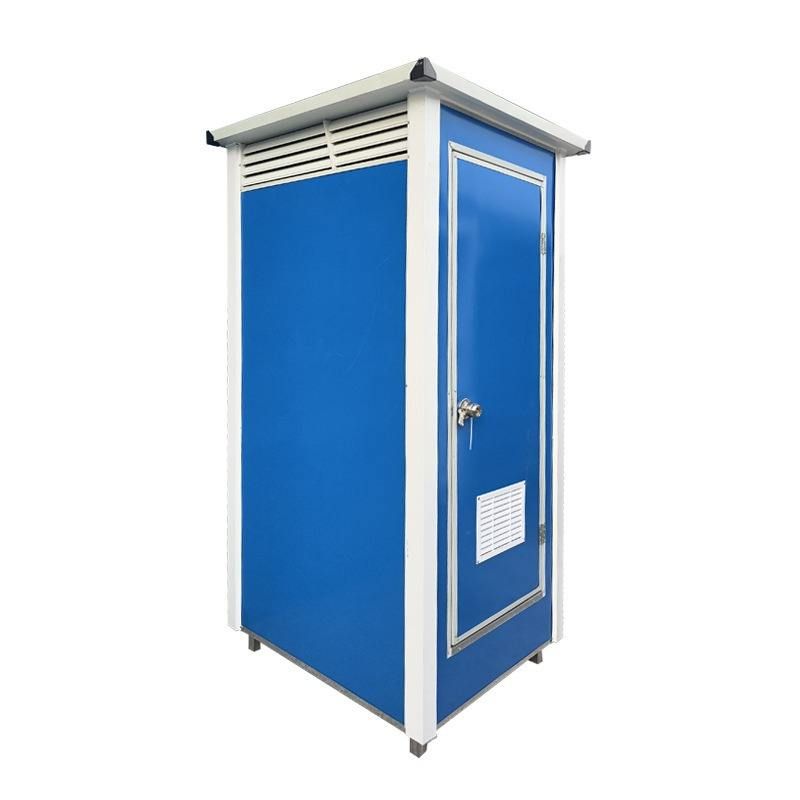
In terms of application scenarios, prefabricated buildings in Wuxi have been applied in various fields, including temporary housing, office spaces, creative commercial spaces, and tourism and resort facilities. For example, container houses are used for rapid construction of project department offices and temporary dormitories on construction sites; commercial districts utilize containers to create unique shops; and ecological tourism areas transform them into homestays or visitor centers.



