Wuwei Square Portable Toilet
The portable toilet at Wuwei Square requires specialized design tailored to the local climatic characteristics, and the selection should comprehensively consider the technical type and supplier adaptability.
I. Climate Adaptability Design Requirements
The Wuwei region is characterized by arid conditions with little rainfall, large diurnal temperature variations, extreme winter lows of -28°C, and frequent sandstorms, posing the following core requirements for the portable toilet:
- Structural Stability: It should employ a high-strength metal frame (such as stainless steel or galvanized steel) and impact-resistant composite panels to ensure no deformation in strong winds and sandstorms.
- Thermal Insulation and Sealing: The walls should incorporate a thick insulation layer (recommended ≥50mm polyurethane foam), with double-glazed windows or airtight seals to prevent cold air infiltration; the floor should be equipped with anti-freezing underfloor heating or electric tracing systems to avoid pipe freezing.
- Anti-freezing Drainage Design: Sewage pipes should be installed at an incline and wrapped with insulation sleeves, with anti-freezing valves or electric heating devices at the ends; rainwater drains should be fitted with filters to prevent sand clogging.
- Modularity: The main structure should support rapid assembly and disassembly (e.g., bolt connections) for easy transportation and seasonal relocation; sanitary units (such as squat toilets and urinals) should use standardized interfaces to reduce maintenance costs.
II. Technical Type Selection Recommendations
Based on the classification of sanitary treatment units, the following options are recommended:
- Recirculating Flush Type: It incorporates a multi-stage filtration system (e.g., sand filtration + activated carbon + membrane filtration), enabling over 80% water recycling, suitable for high-traffic square scenarios; however, it requires regular filter cleaning and has a higher initial cost.
- Waterless Packaging Type: It uses biodegradable film to automatically seal waste, eliminating the need for a flushing system and resulting in low operational costs; however, it requires daily replacement of packaging bags and relies on the ventilation system for odor control.
- Biodegradation Type: It decomposes organic matter through microbial agents, with no sewage discharge and the best environmental performance; however, it requires temperature control (recommended ≥15°C) to maintain microbial activity, necessitating heating devices in winter.
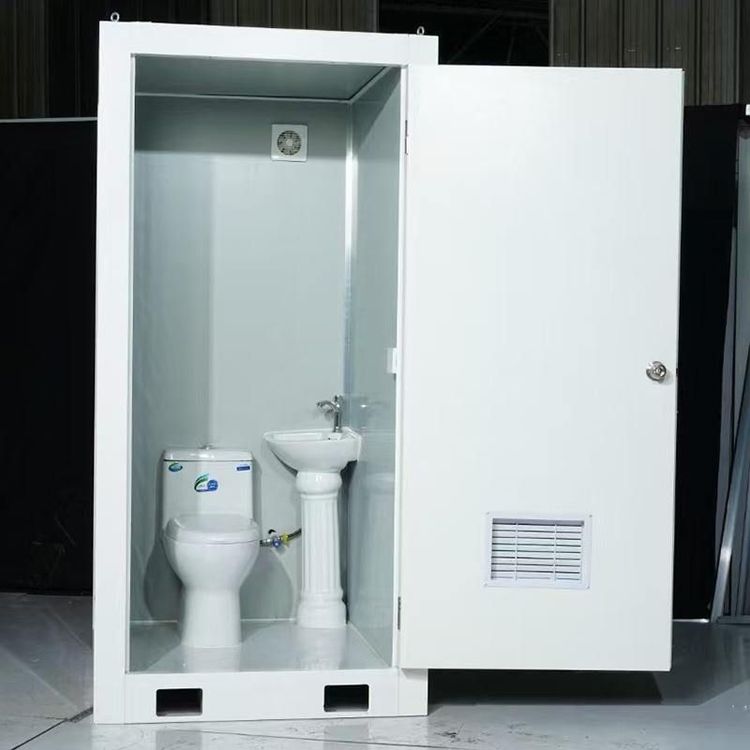
Auxiliary Systems: Ventilation should employ a combination of sandstorm-resistant louvers and axial fans, lighting should preferably use LED explosion-proof lamps, and barrier-free facilities should comply with the Barrier-Free Design Code (GB50763-2012).
III. Supplier Adaptability Analysis
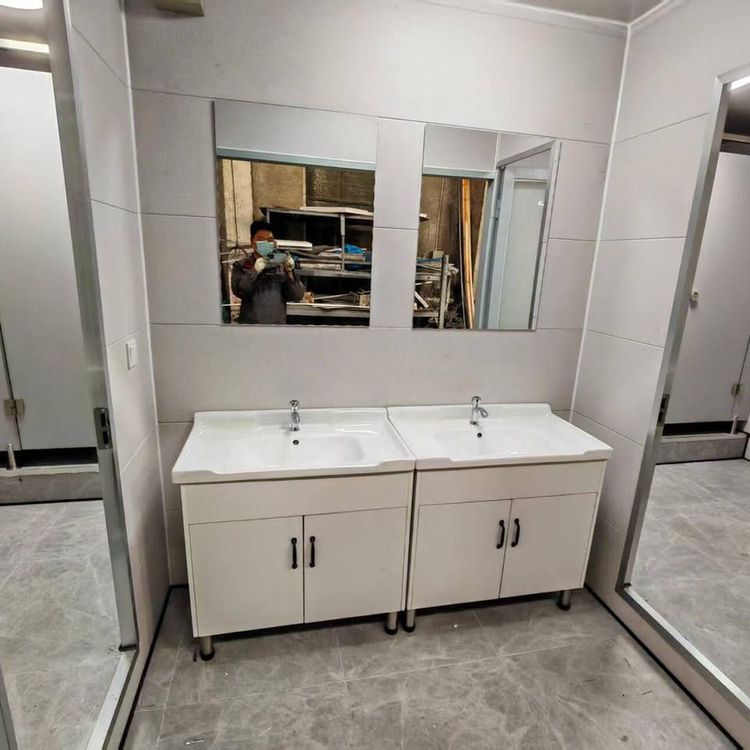
- Guting Metal Products Factory: Its metal frame + composite panel structure is suitable for rapid installation, but it has not disclosed the insulation layer thickness and anti-freezing pipe scheme, requiring further confirmation of whether its products can meet the -28°C low-temperature requirement.
- Jinmuhe Metal Products Co., Ltd.: Its airtightness and ventilation system configurations are suitable for sandy environments, but it has not specified high-altitude and low-temperature measures (such as pipe electric tracing and insulation material upgrades), necessitating supplementary technical details.
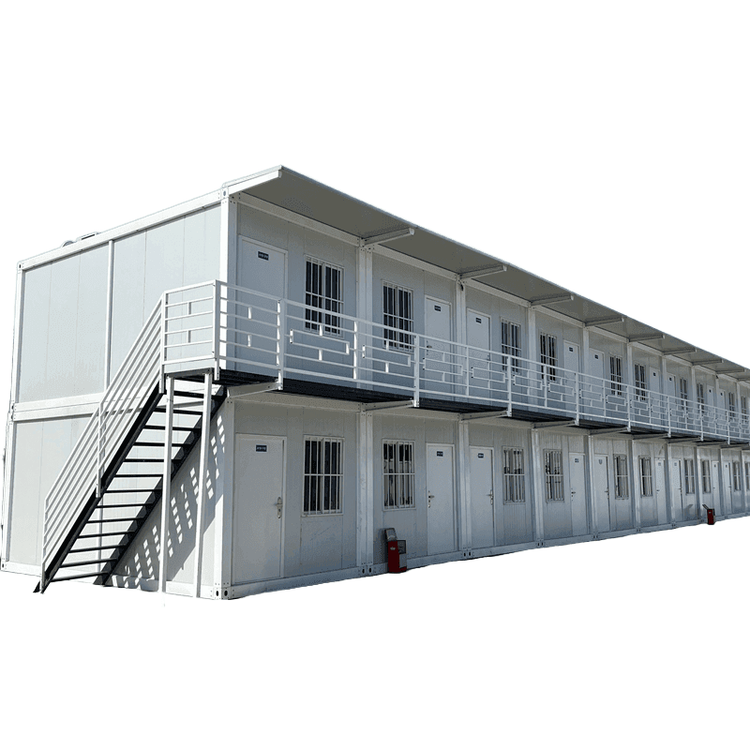
- Shaanxi Dianzhou Exhibition Service Co., Ltd.: Its lightweight and quick-assembly structure is suitable for temporary needs, but its thermal insulation and anti-freezing performance are weak, making it not recommended as a long-term fixed facility for Wuwei Square.
Conclusion: Priority should be given to suppliers that clearly indicate an insulation layer thickness (≥50mm), an anti-freezing pipe scheme (such as electric tracing), and sandstorm protection design. For technical types, the recirculating flush type or biodegradation type (with supporting heating) is recommended.