
Wuwei Square Mobile Toilet Installation
The installation of mobile toilets at Wuwei Square requires comprehensive consideration of placement strategies, installation procedures, factors affecting installation convenience, design considerations, and industry standards, as detailed below:
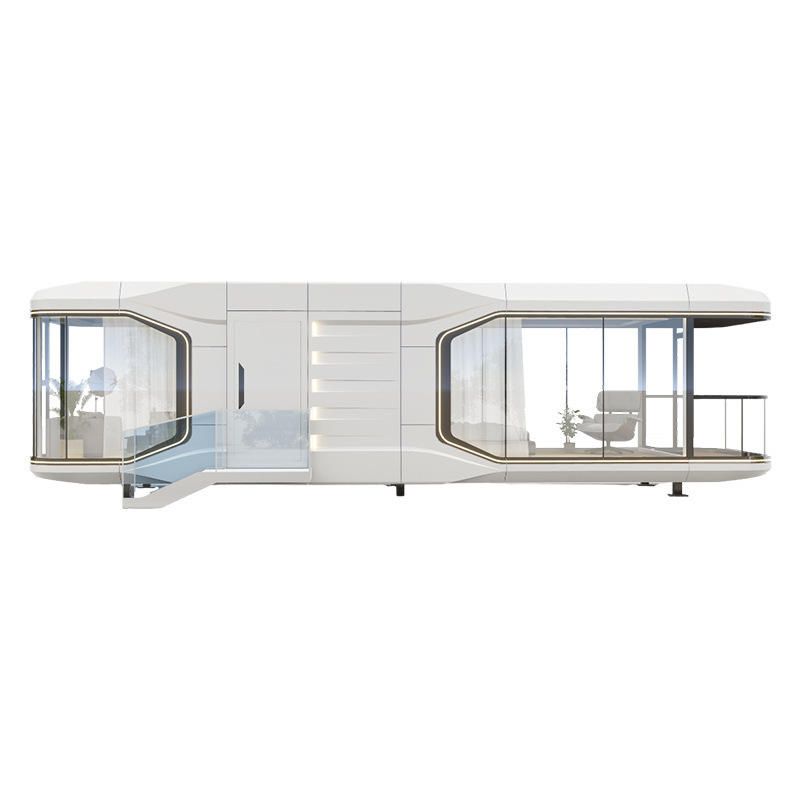
I. Placement Strategies
Based on visitor flow analysis, mobile toilets should be positioned at path intersections and the edges of activity areas. Visitors at Wuwei Square typically move along the main paths, extending from the entrance to internal scenic spots. Therefore, intersections and the edges of activity spaces are preferred locations. These positions can cover the main visitor flow while avoiding obstruction of key scenic views, enhancing usage efficiency.
II. Installation Procedures
- Modular Mobile Toilets:
- Positioning: Determine the location based on site planning and ground flatness, ensuring a solid foundation and proper drainage.
- Assembly: Use a forklift or manual labor to place the prefabricated steel structure chassis steadily and adjust its level. Install sandwich panel walls sequentially (insert into chassis slots and secure with bolts), then install the roof panel and seal it. Wall installation typically takes 1-2 hours.
- Connection: Install internal partitions, toilets, flushing systems, sinks, lighting, and ventilation equipment, and connect water and electrical lines (modular quick-connect designs can reduce time).
- Testing: Conduct flush tests, electrical checks, and leak tests to ensure proper functionality.
- Integrated Mobile Toilets (e.g., container-type toilets):
These come with interior finishes and equipment pre-installed at the factory. On-site installation involves only lifting into place and connecting water, electricity, and sewage pipes, reducing total installation time to 2-4 hours.
III. Factors Affecting Installation Convenience
- Toilet Type: Integrated container-type toilets are the quickest to install, while foldable or expandable models offer higher efficiency but slightly lower durability.
- Foundation Preparation: Uneven or soft ground requires hardening or steel plate placement, increasing preparation time.
- Supporting Facilities: Connecting to municipal sewage networks or dedicated septic tanks extends installation time; waterless or biodegradable toilets eliminate complex sewage connections.
- Team Experience: Professional installation teams significantly improve efficiency.
IV. Design Considerations
- Structural Design: Adopt a modular box structure with walls made of fiberglass or metal sandwich panels (suitable for Wuwei's large temperature variations). The base includes an integrated sewage storage container (capacity calculated based on visitor flow), and the roof has a slight slope for drainage.
- Interior Configuration: Toilet height and handrail positions comply with ergonomic standards; ventilation combines natural top air exchange with mechanical exhaust; lighting uses LED sources; sinks feature sensor or push-button valves for water conservation.
V. Industry Standards
Refer to relevant standards such as the Mobile Toilet Hygiene Code (GB/T 21239 - 2023) to ensure structural safety and hygiene compliance.



