
Wuwei Rural Mobile Toilets
Wuwei rural mobile toilets mainly include smart, traditional, and kiosk-style public restrooms, offering rental services with deployment tailored to actual conditions.
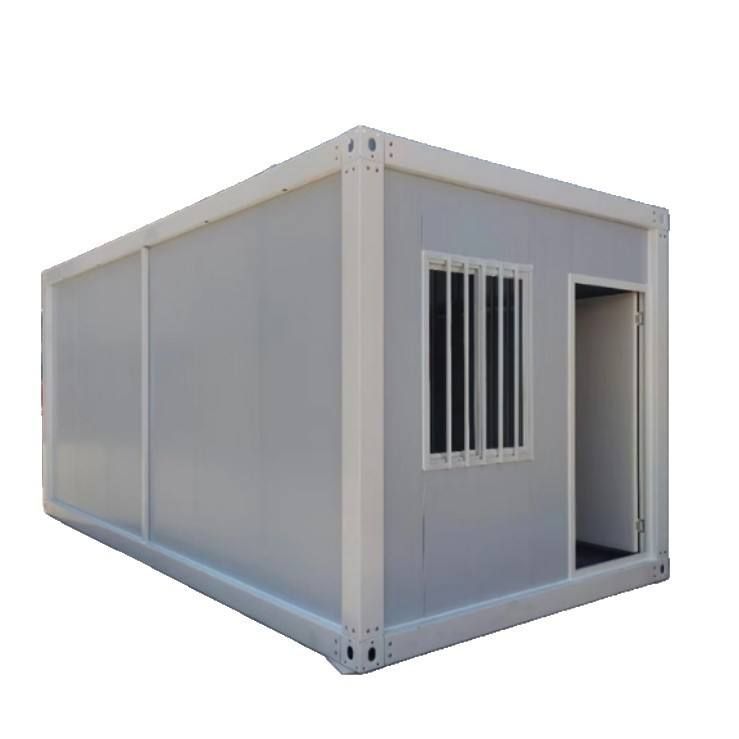
Technical Types and Functional Features
Smart mobile toilets used in rural areas of Wuwei integrate modern technology and feature a modular design, comprising structural support units, intelligent control centers, and resource recycling processors. Their core advantages lie in rapid deployment and disassembly capabilities, allowing them to be compressed to standard container sizes for easy transportation to remote rural areas. The resource recycling system purifies wastewater through reclaimed water reuse technology, while the solar power supply system meets daily operational needs, making them particularly suitable for rural settings with weak infrastructure. For example, in areas without municipal water supply, reclaimed water reuse reduces water consumption; solar power reduces reliance on the grid, enhancing operational flexibility.
Rental Service Coverage
Local enterprises in Wuwei provide mobile toilet rental services covering Liangzhou District and surrounding rural areas, supporting a 24-hour response mechanism. Service scenarios include construction sites, temporary events (such as markets and festivals), and large-scale outdoor activities like marathons. Some merchants offer free shipping policies and reduce user risks through platform-backed services (such as equipment damage compensation and cleaning maintenance). For example, rural temporary event organizers can rent as needed, avoiding long-term purchase costs while ensuring hygiene standards are met.
Product Types and Suitable Scenarios
In addition to smart models, the rural market in Wuwei also offers traditional mobile toilets and kiosk-style public restrooms. Traditional models, primarily made of metal, have a simple structure and lower cost, suitable for short-term or low-cost scenarios, such as temporary use in farmland operation areas. Kiosk-style public restrooms combine fixed facilities with mobile features, with an appearance closer to traditional buildings, allowing them to blend into rural environments and suitable for long-term deployment in village public areas. For example, densely populated villages can choose kiosk-style models for durability and aesthetics; short-term construction projects can prioritize traditional models to control costs.
Deployment Conditions and Adaptive Adjustments
Smart toilets require reserved drainage connections and power conditions for deployment. If rural areas lack municipal drainage systems, plans for septic tanks or reclaimed water reuse paths must be made in advance; when power is insufficient, reliance on solar power is possible, but sufficient sunlight must be ensured. Traditional toilets have lower infrastructure requirements, needing only a level ground for installation. Additionally, the appearance of smart toilets can be adjusted in color and material through modular design to match rural architectural styles, reducing visual discord. For example, in ancient villages or tourist villages, wooden-textured shells can be selected to enhance environmental harmony.
You may also like

Portable Toilet Eco-Friendly: MOQ, Samples & Quotation Guide
Read More
Top Portable Toilet Color Steel Manufacturers: How to Choose a Factory Partner
Read MorePortable Toilet Picture: Types, Features & Buying Tips
Read More