Wuwei Prefabricated House
Information about prefabricated houses in Wuwei mainly involves two aspects: policy management and market supply.

At the policy and management level, the Gansu Provincial Department of Housing and Urban-Rural Development and the Provincial Earthquake Administration once held a working对接 (对接 can be translated as '对接 meeting' or simply 'meeting' here, but for fluency, we'll use 'meeting') meeting to focus on earthquake prevention and disaster reduction work, with the renovation of prefabricated panel houses being one of the key topics. The meeting proposed collaborative efforts to advance the governance and renovation of prefabricated panel houses in urban areas, aiming to reduce the earthquake safety risks of old buildings. This policy orientation indicates that Wuwei, as a city within Gansu Province, may incorporate the governance and renovation of its prefabricated houses (especially prefabricated panel houses) into the overall planning of local earthquake prevention and disaster reduction work. The core goal of the policy is to enhance the safety of existing buildings by renovating or updating old prefabricated structures, thereby reducing the threat of earthquakes and other disasters to residents' lives and property. This move also reflects the national emphasis on building safety standards, and in the future, the prefabricated house market in Wuwei may face stricter regulatory requirements, such as higher standards for the earthquake resistance of newly built prefabricated houses or safety assessments and reinforcements for existing prefabricated panel houses.
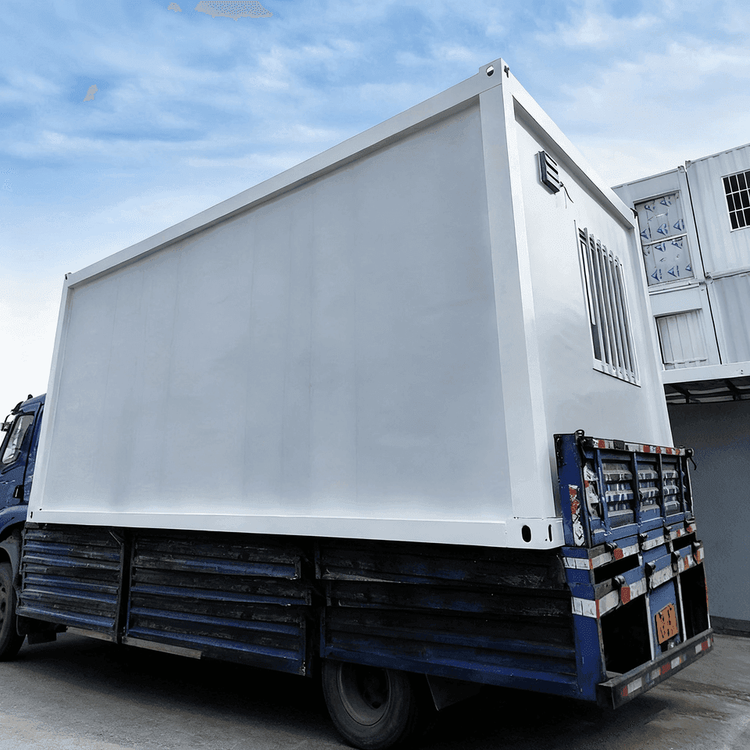
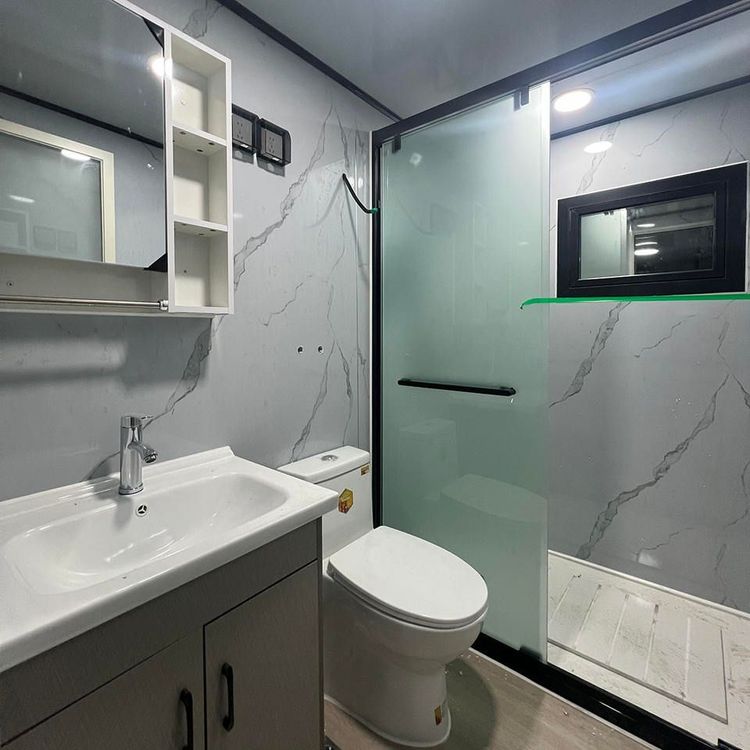
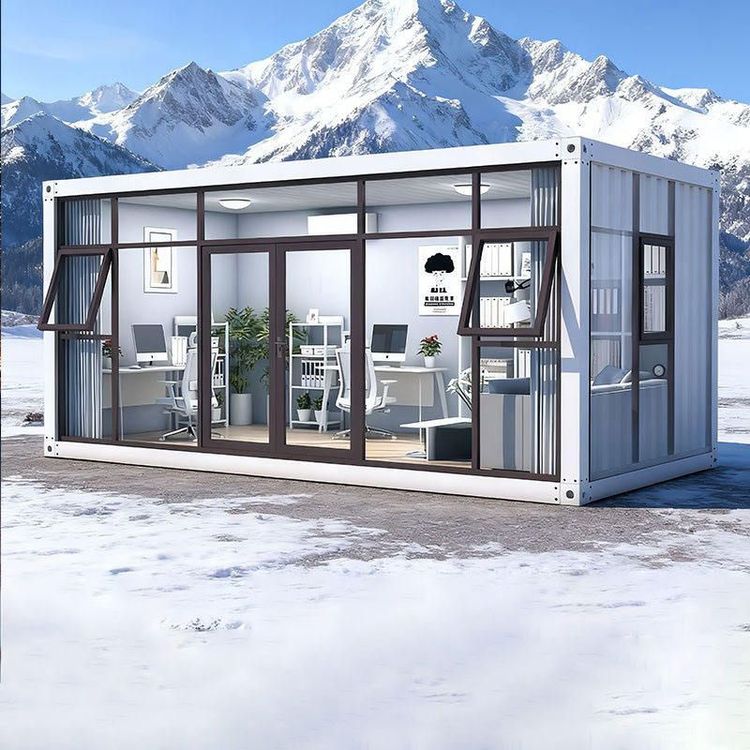
At the market supply level, the wholesale market for prefabricated houses in Wuwei offers a diverse range of choices, covering products of different types and prices. For example, second-hand cement movable houses in Langfang, Hebei, are priced at 240.00 yuan per square meter, while those in Baoding, Hebei, are priced at 255.00 yuan per square meter. These products are characterized by their cost-effectiveness and are suitable for temporary or short-term use scenarios where cost is a concern. Foldable container houses from Fujian are more expensive, at 8800.00 yuan per set, but their advantages lie in their portability and rapid deployment capabilities, often used for temporary office spaces on construction sites or emergency shelter in disaster scenarios. These market supply details indicate that the prefabricated house market in Wuwei has reached a certain scale, with product types covering needs from the low-end to the high-end. Price differences mainly depend on materials, design complexity, and usage scenarios. It is worth noting that second-hand products in the market may have aging or safety hazards, and strict inspections of structural integrity, especially earthquake resistance compliance with local regulations, are necessary when purchasing.
In summary, the development of prefabricated houses in Wuwei needs to balance policy orientation with market demand, enhancing safety while meeting the needs of diverse application scenarios.