
Wuwei Outdoor Mobile Toilet Installation
The installation of outdoor mobile toilets in Wuwei requires comprehensive consideration of multiple factors such as site selection, structure, and treatment systems, as detailed below:
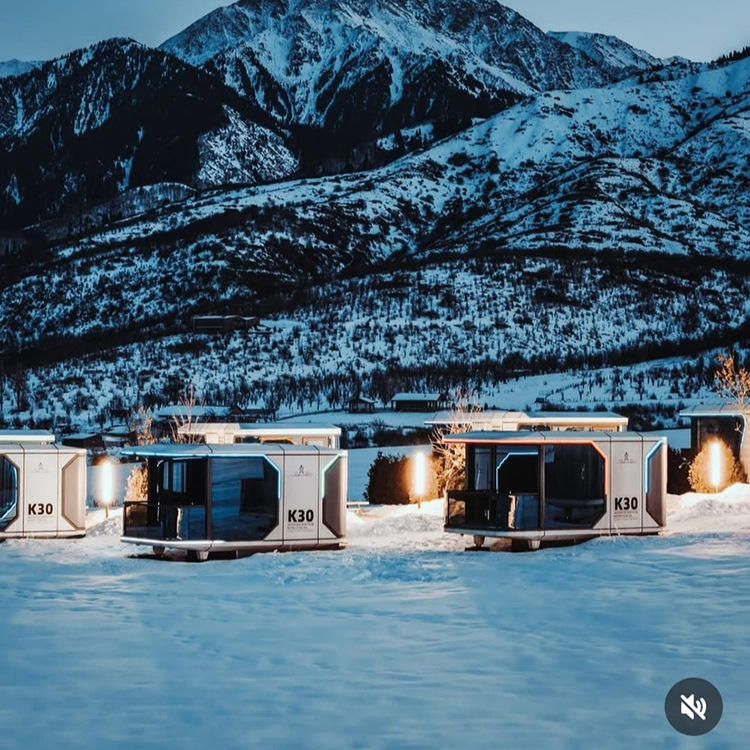
Site Selection Strategy
Based on tourist movement analysis, priority should be given to placing them at path nodes (such as near rest areas and viewpoints) and the edges of activity areas to cover the main flow of people while avoiding interference with the core landscape views. In cultural tourism areas, both landscape harmony and tourist accessibility need to be considered, while also complying with the restrictions of heritage protection sites. For temporary large-scale event scenarios, emphasis should be placed on rapid setup and dismantling capabilities. In operational areas where fixed infrastructure is difficult to cover, facilities with high durability and low maintenance requirements should be prioritized.
Structural Design
Modular box construction is adopted, with walls made of fiberglass or metal sandwich panels, providing weather resistance to adapt to Wuwei's large temperature variations. After the main body is manufactured and piping is pre-installed in the factory, it is transported to the site for assembly, allowing for flexible adaptation to different geographical environments and passenger flow demands. For example, in historical preservation areas, a non-excavation assembly method is used to minimize disturbance to cultural layers; in ecologically fragile zones, the height of the supporting foundations is adjusted to adapt to ground undulations and reduce vegetation damage.
Internal Treatment Systems
There are two types: recirculating water flushing and waterless biodegradation. The recirculating water system relies on miniaturized membrane filtration and biological treatment units to achieve water circulation, requiring stable power supply and regular maintenance; the waterless system relies on microbial agents and insulated tank design to maintain decomposition activity even in low-temperature environments, but the output needs to be properly handled. The choice of system should be based on the water supply, power conditions, and waste removal routes of the scenic area.
Maintenance Management and Waste Disposal
Maintenance includes periodic cleaning (surface disinfection, waste collection), consumable replenishment (toilet paper, hand soap), and equipment inspection (pipeline tightness, mechanical component status). After extreme weather events, structural safety inspections are required, and during the off-season, some units can be closed for concentrated maintenance of core components. For waste disposal, solid waste is sealed and transported to designated treatment stations, while liquid waste is suctioned and transported by specialized vehicles, with spill-proof containers required. Subsequent treatment is carried out according to municipal planning.
Environmental Protection and Landscape Harmony
Water-saving fixtures are used to reduce water consumption, and some models are equipped with solar power modules to reduce energy dependence; building materials are selected from recyclable materials, and some materials from discarded boxes can be decomposed and reused. The color and texture of the exterior decorative panels reference natural tones or surrounding building materials, and the orientation and height of ventilation exhaust ports are designed considering the prevailing wind direction to avoid odor diffusion.
You may also like

Portable Toilet Eco-Friendly: MOQ, Samples & Quotation Guide
Read More
Top Portable Toilet Color Steel Manufacturers: How to Choose a Factory Partner
Read MorePortable Toilet Picture: Types, Features & Buying Tips
Read More