
Wuwei Outdoor Mobile Toilet
The Wuwei outdoor mobile toilet is an independent sanitation facility unit specifically designed for non-fixed locations, featuring environmental adaptability and resource independence to meet the special climatic and scenario demands of the Wuwei region.
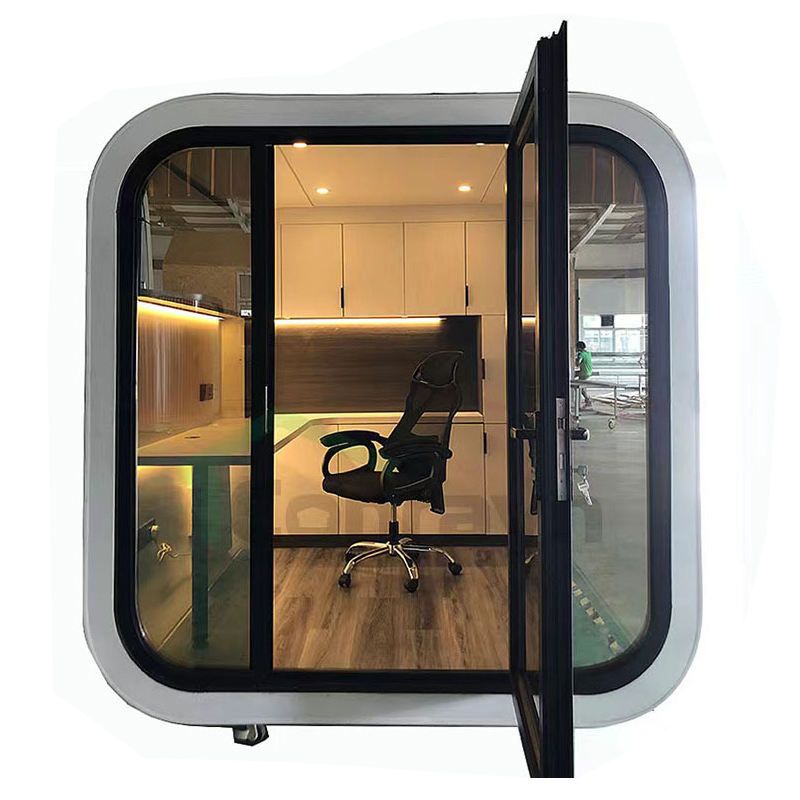
Core Functions and Operating Mechanisms
The Wuwei outdoor mobile toilet achieves functional closure through modular design, relying on its self-contained storage or real-time treatment systems. The storage and transportation design is equipped with sealed storage containers, with capacities matched to the preset service duration and foot traffic to reduce the need for frequent removal. The real-time treatment technology employs physical, chemical, or biological decomposition methods to reduce waste volume or alter its form, creating a micro-circulation system independent of the urban sewer network and reducing environmental load. For example, biological decomposition technology can convert excrement into harmless substances, extending the usage cycle.
Environmental Adaptability Design
Given Wuwei's characteristics of drought, infrequent rainfall, large diurnal temperature variations (with a winter extreme of -28°C), and frequent sandstorms, its structural and material selection focuses on sealing and thermal insulation:
- Structural materials: High-strength, sand-resistant metals or composite materials are used, with connection techniques that enhance sealing to prevent sand intrusion and heat loss.
- Thermal insulation design: The main structure incorporates insulation layers, and key components (such as water tanks and pipes) use freeze-resistant materials to ensure normal operation in low-temperature environments.
- Sand-proof ventilation: The internal ventilation system combines passive ventilation ducts with active mechanical exhaust to prevent odor diffusion while avoiding sand blockages.
Spatial Layout and User Experience
Within limited space, three-dimensional combination design optimizes functional arrangement:
- Functional integration: Water tanks, mechanical devices, and user activity areas are layered to improve space utilization.
- Streamlined flow: Processes such as toileting, handwashing, and ventilation follow short, non-intersecting paths to reduce user waiting times.
- Humanized details: Facilities like lighting and handrails are provided to enhance comfort.
Deployment Scenarios and Decision Logic
Deployment strategies are flexibly adjusted based on different scenario needs:
- Cultural tourism areas: Balance landscape harmony with visitor accessibility, adhering to heritage site restrictions, such as adopting antique-style exteriors or concealed designs.
- Temporary events: Emphasize rapid setup and removal capabilities, with standardized transportation unit specifications and simplified assembly methods (e.g., modular拼接).
- Remote work areas: Prioritize durability and low maintenance, with long service lives for the main structure and easily replaceable components (such as hinges and seals).
Maintenance and Supply Chain
Daily maintenance includes emptying storage units, replenishing clean water, replacing consumables, and overall cleaning, with standardized operation interfaces (such as quick-release panels) designed into the system to simplify processes. In terms of the supply chain, local Wuwei enterprises like Guting Metal Products, Jinmuhe Metal Products Co., Ltd., and Shaanxi Dianzhou Exhibition Services Co., Ltd. offer a diverse range of products with technical features including high-strength structures and intelligent monitoring systems, meeting various budget and functional requirements.



