Wuwei Mobile Toilet
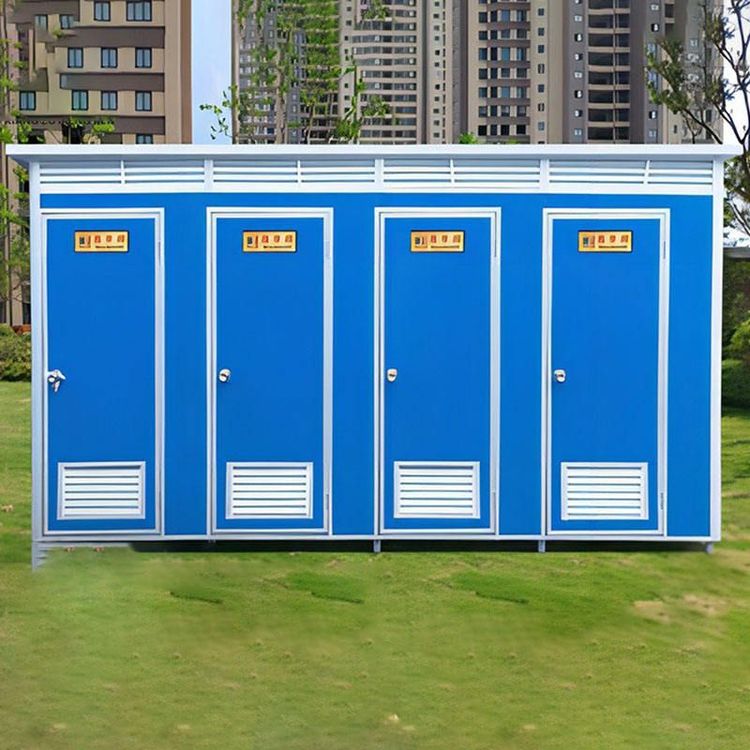
The Wuwei mobile toilet is a modular, relocatable sanitation facility unit designed to meet the demands of special climates and scenarios. Its core features, technical approaches, application scenarios, and operational models are as follows:
1. Modular Construction and Relocatability
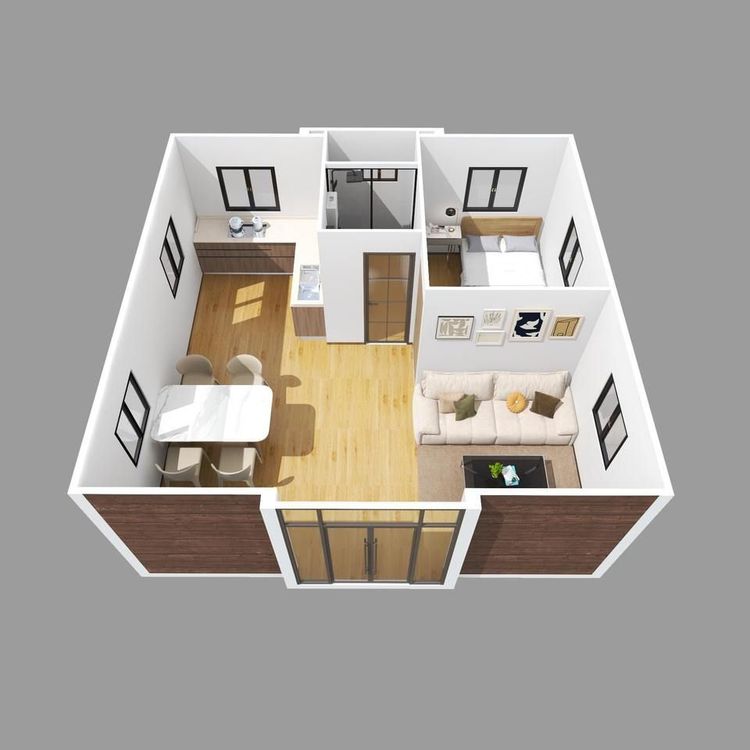
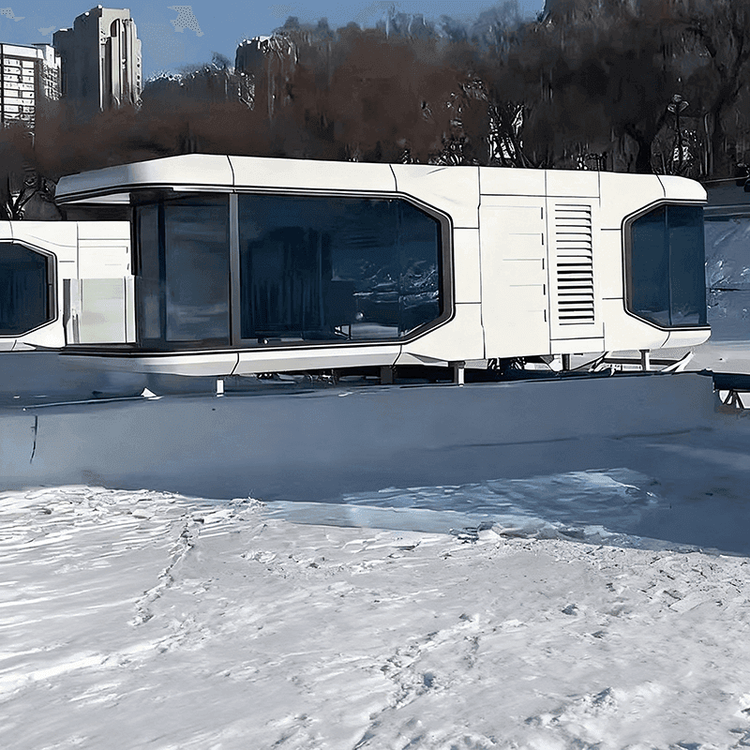
The facility adopts a prefabricated production model, with components such as frames, wall panels, sanitary fixtures, and sewage systems manufactured and initially assembled in the factory. During transportation, they are stacked in a standardized form, significantly reducing space occupation. There are two types of relocation methods: Overall Hoisting Type, which uses lifting equipment for loading and unloading, suitable for rapid short-distance deployment; Trailer Towing Type, which installs steerable axles and towing devices at the bottom of the box, allowing it to be towed by vehicles. However, external dimensions need to be controlled to fit standard freight vehicle passage conditions.
2. Sewage Treatment System Design
For scenarios without fixed sewer networks, the mainstream treatment modes are divided into two categories:
- Collection and Storage Type: Equipped with sealed sewage storage tanks, with capacities designed according to usage frequency. They require regular cleaning and transportation by specialized vehicles, suitable for short-term events with stable visitor traffic.
- On-site Treatment Type: Integrates biochemical or physicochemical treatment units (such as microbial decomposition, membrane filtration) to initially treat waste for compliant discharge or reduced-volume storage, extending service cycles and reducing cleaning and transportation frequency, more suitable for remote or long-term use scenarios.
3. Enhanced Climate Adaptability Design
To cope with conditions in Wuwei, such as drought, infrequent rainfall, large diurnal temperature variations, extreme winter cold (-28°C), and frequent sandstorms, the facility must meet the following requirements:
- Structural Stability: Uses galvanized steel sheets, aluminum alloys, or fiberglass-reinforced plastic frames to ensure no deformation after multiple relocations.
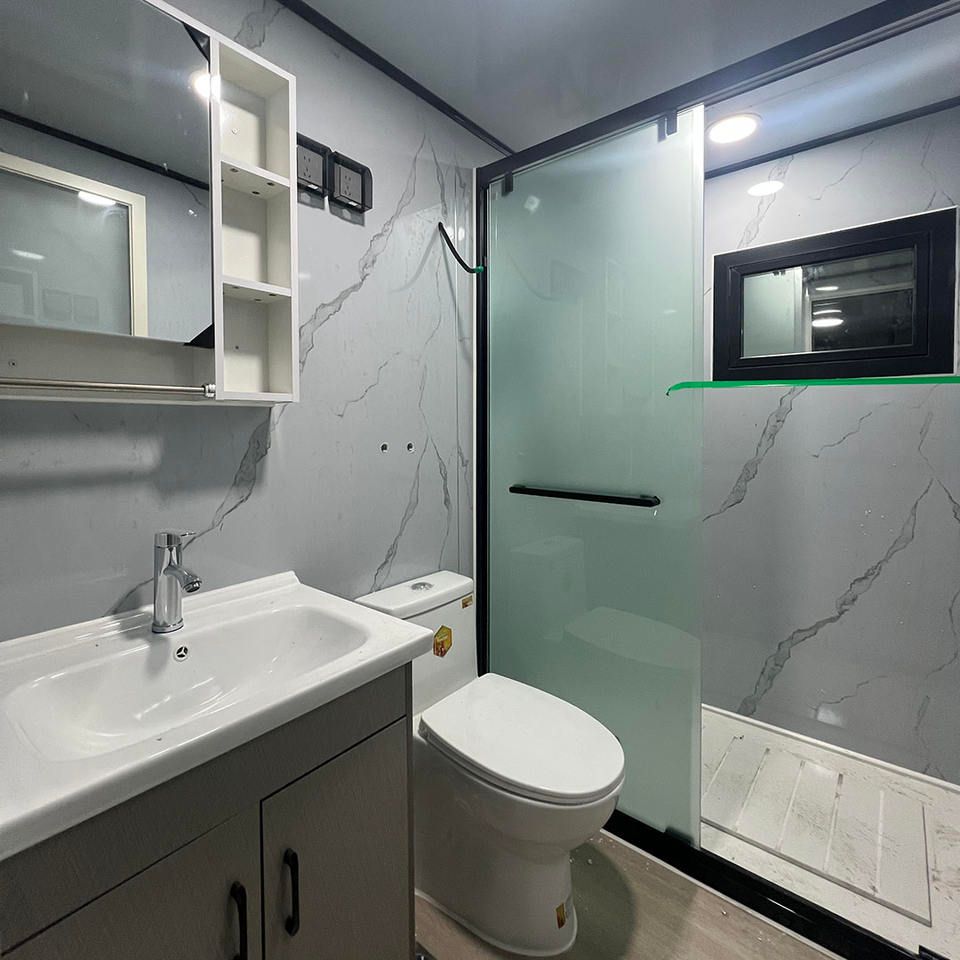
- Thermal Insulation and Sealing: Inner walls use stainless steel, engineering plastics, and other materials, combined with sealed door frame designs to reduce heat loss.
- Anti-freezing Drainage: Sewage pipes are equipped with electric tracing to prevent freezing at low temperatures; sandstorm protection is achieved by optimizing door seal gaps and ventilation system filtration.
4. Sustainable Operational Technologies
- Self-Powered System: Photovoltaic panels are installed on the roof to supply power for lighting, ventilation, and small treatment equipment, reducing reliance on external power grids.
- Water-Saving Technology: Uses high-pressure air-assisted or vacuum suction sanitary fixtures, reducing single flush water consumption to below 1 liter, extending the service life of freshwater tanks.
5. Typical Application Scenarios
- Tourist Attractions/Large Events: Dynamically adjust deployment locations based on visitor distribution to match sanitation service demands.
- Temporary Work Sites: Such as construction sites and野外 (field) exploration camps, providing immediate sanitation solutions that can be relocated and reused after project completion.
- Emergency Management: Quickly respond after natural disasters to meet basic public sanitation needs in temporary shelters.
6. Local Supply and Services
Local enterprises in Wuwei (such as Guting Metal Products and Jinmuhe Metal Products) provide mobile toilet supply and leasing services. Their products cover types such as metal frame + composite panel structures and eco-friendly integrated bathrooms, supporting nationwide delivery or rapid local installation. The leasing service network covers multiple cities in the Hexi Corridor region.