
Wuwei Mobile Smart Toilet Customization
The customization of mobile smart toilets in Wuwei should be designed comprehensively by integrating climate characteristics and functional requirements, covering environmental adaptability, intelligent functions, energy self-sufficiency, supplier selection, and operation and maintenance optimization.
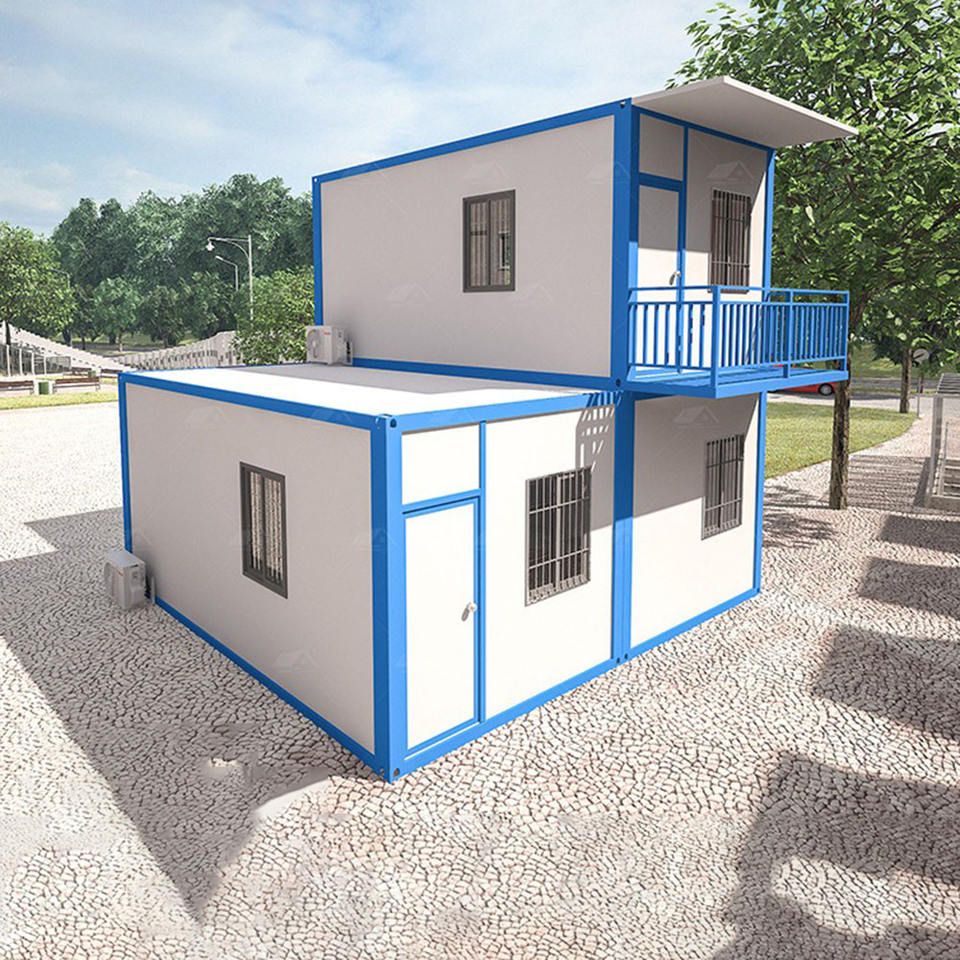
1. Environmental Adaptability Design Wuwei experiences a dry climate with little rainfall, significant temperature variations between day and night, and extremely low winter temperatures (reaching -28℃). Therefore, a modular structure is required to support rapid assembly and disassembly for relocation needs. Standardized quick connectors should be used for water and electricity interfaces to ensure system integrity during relocation. Insulation and freeze protection are crucial, necessitating the installation of electric tracing components, double-glazed windows, and thickened insulation layers to prevent pipe freezing. The material selection should be highly weather-resistant, such as galvanized steel or aluminum alloy frames, with interior walls made of waterproof, corrosion-resistant, and easy-to-clean fiberglass-reinforced plastic (FRP) panels to cope with frequent sandstorms.
2. Intelligent Function Integration
- Environmental Monitoring and Automatic Control: Deploy ammonia, hydrogen sulfide, and temperature and humidity sensors to automatically activate ventilation equipment when levels exceed standards. Human infrared sensors and door magnetic devices dynamically adjust lighting brightness to reduce energy consumption.
- Water Management: Monitor abnormal water usage through flow meters and adopt high-pressure air-assisted or vacuum suction toilets to reduce single flush water consumption to below 1 liter, suitable for arid climates.
- Automated Cleaning and Maintenance: Self-cleaning toilets trigger flushing through photoelectric sensors, and disinfection devices initiate fogging disinfection during intervals. Solid waste is compressed to reduce collection frequency.
- User Interaction Interface: External guidance screens display available stalls and environmental parameters, while internal operation panels provide functional guidance. Emergency assistance buttons directly connect to management terminals and synchronize location information.
3. Energy and Resource Self-Sufficiency Integrate solar power systems to extend equipment runtime; energy storage systems ensure basic functionality when disconnected from municipal power. Water-saving technologies should be combined with intelligent flushing systems, such as using recycled water filtration devices to further reduce water consumption.
4. Supplier Selection Recommendations
- Guting Metal Products: Suitable for rapid installation on basic ground, but the thickness of the insulation layer and freeze protection piping scheme need to be confirmed.
- Jinmuhe Metal Products: Focus on airtightness and ventilation systems, requiring clarification of special adaptation measures for high altitudes and low temperatures (such as electric tracing components).
- Shaanxi Dianzhou Exhibition Services: The leasing model responds quickly, but the corrosion resistance level and foundation reinforcement scheme for long-term fixed scenarios need to be verified.
5. Operation and Maintenance and Data Optimization The system should have local storage capabilities to temporarily store operational data during network interruptions. Sensor accuracy should be regularly calibrated to cope with extreme environmental impacts. By analyzing usage patterns through data, service resources can be reasonably allocated to achieve on-demand maintenance and reduce failure rates. During customization, it is necessary to balance functionality and cost according to the scenario (municipal, scenic spot, temporary event), prioritizing products that have passed climate durability tests, network transmission stability guarantees, and barrier-free design certifications.



