
Back to blog
Article
Wusu Mobile Toilet Installation
Admin September 22, 2026
The installation of mobile toilets in Wusu follows the core process of 'positioning - assembly - connection - commissioning', with specific steps outlined below:
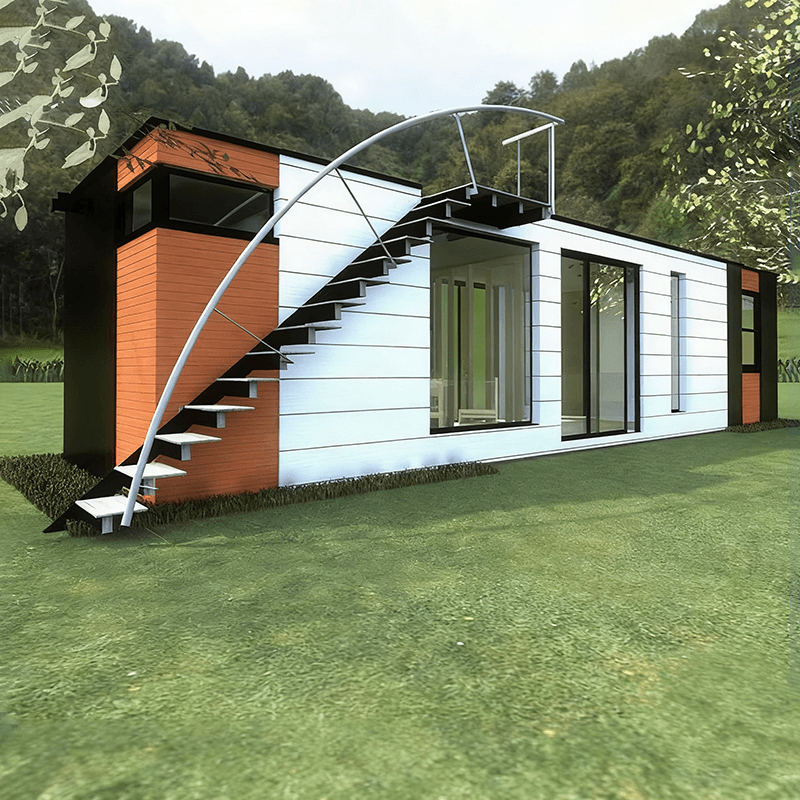
1. Positioning and Site Preparation
Determine the installation location based on usage requirements, ensuring the following conditions are met:
- Ground Requirements: The ground must be solid and level. For soft or uneven soil sites, hardening (e.g., concrete pouring) or steel plate laying is required in advance to ensure toilet stability.
- Drainage Planning: If connecting to the municipal sewage network, reserve pipeline interfaces and ensure proper slope; if using a septic tank, excavate and install it in advance, reserving a sewage outlet.
- Spatial Layout: Reserve sufficient operating space (e.g., for lifting equipment) to avoid conflicts with surrounding buildings or facilities.
2. Assembly and Installation
Select the corresponding assembly method based on the toilet type:
- Split-type Mobile Toilets:
- Chassis Installation: Use a forklift or manual labor to place the prefabricated steel structure chassis at the predetermined position and adjust its levelness.
- Wall Assembly: Insert the sandwich panel wallboards sequentially into the chassis slots, securing them with bolts or clips; install the roof panel and seal it to prevent rainwater leakage.
- Internal Equipment Installation: Include partitions, toilets, flushing systems, sinks (optional), lighting, and ventilation equipment; when connecting water and electricity pipelines, prioritize the use of modular quick connectors to save time, and this should be operated by professionals.
- Integrated Mobile Toilets (Box-type Toilets):
The factory has completed interior decoration and equipment integration. On-site, only lifting into place and connecting water, electricity, and sewage pipelines are required, reducing the overall installation time to 2-4 hours.
3. Connection and Sewage Treatment
- Sewage Pipeline Connection: If connecting to the municipal network, ensure interface tightness; if using a septic tank, connect the sewage pipe and test the flow direction.
- Flushless/Biodegradable Toilets: No complex sewage pipelines are required, but regular cleaning of degrading materials or fecal storage tanks is necessary.
4. Functional Inspection and Commissioning
- Flush Test: Check the toilet's flushing pressure and drainage speed to ensure no blockage.
- Circuit Inspection: Test whether lighting, ventilation equipment, and sockets are functioning properly.
- Seal Inspection: Focus on checking wall joints, the roof, and sewage outlets to prevent water leakage or odor leakage.
Installation Standards: Must comply with the 'Hygiene Standards for Mobile Toilets' (GB/T 21239-2023), ensuring structural safety, hygiene compliance, and regular maintenance to extend service life.



