
Back to blog
Article
Wushan Mobile Toilet Installation
Admin September 24, 2026
The installation process of mobile toilets in Wushan generally follows the core steps of 'positioning - assembly - connection', as detailed below:
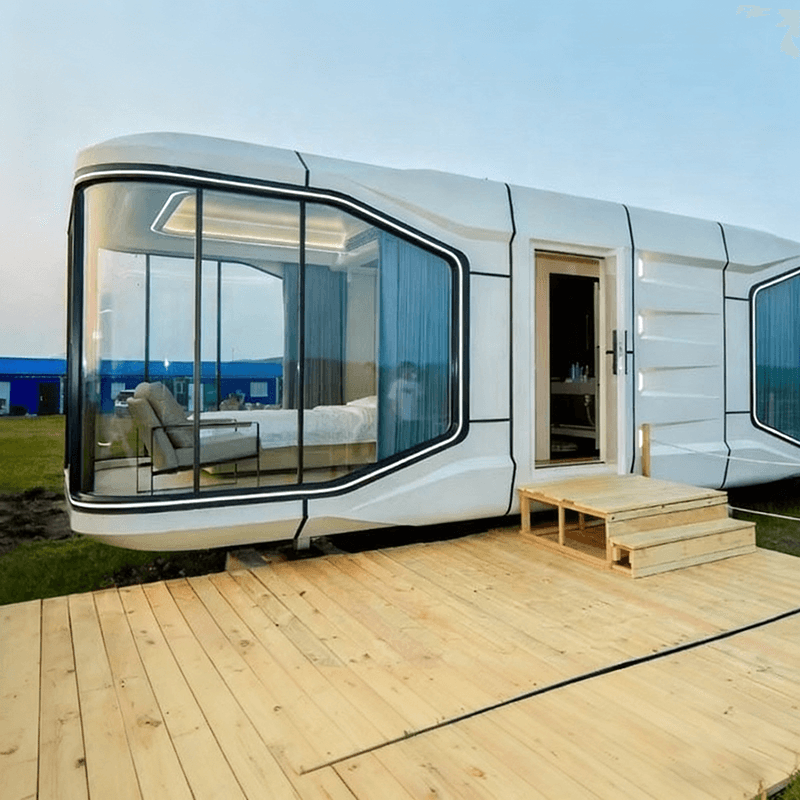
I. Positioning
Determine the installation location based on site planning and ground conditions, which must meet the following requirements:
- Ground firmness: Preferably choose a hardened ground (such as concrete). If the ground is soil or soft, it needs to be hardened in advance or steel plates laid to ensure the overall stability of the toilet after installation.
- Drainage conditions: If connection to the municipal sewage network or a dedicated septic tank is required, plan the sewage discharge path in advance to ensure smooth drainage; for flush-free or biodegradable toilets, this step can be simplified.
- Space planning: Reserve sufficient operating space (such as the working range of lifting equipment) to avoid conflicts with surrounding buildings or facilities.
II. Assembly
Choose the corresponding assembly method according to the type of toilet:
- Split-type mobile toilets:
- Chassis and frame installation: Use a forklift or manual labor to place the prefabricated steel structure chassis steadily and adjust it to a level state with a level gauge.
- Wall and roof panel installation: Insert the sandwich panel wall panels into the chassis slots and fix them with bolts or clips; after installing the roof panels, perform sealing treatment (such as applying sealant or rubber strips) to prevent rainwater leakage. This step usually takes 1-2 hours.
- Internal facility installation: Include partitions, toilets, flushing systems, sinks (optional), lighting, and ventilation equipment. The connection of water and electricity pipelines should be operated by professionals, but the modular quick-connector design can shorten the time.
- Integrated mobile toilets (box-type toilets):
- The factory has completed the interior decoration and equipment integration. On-site, it only needs to be lifted into place and connected to water, electricity, and sewage pipelines. The overall installation time can be shortened to 2-4 hours.
- Sitting-type mobile toilets:
- Install the side panels and door panels and fasten the clips to prevent accidental opening; install accessories such as tissue boxes and urinals, and finally check that all clips are secure.
III. Connection and Debugging
- Function testing:
- Flushing system: Check if the water flow is smooth and if there are any leaks.
- Electrical system: Test if the lighting and ventilation equipment are working properly and ensure grounding safety.
- Sealing: Focus on checking the joints of the walls, the roof, and the connections of the sewage pipelines.
- Sewage pipeline connection:
- If connecting to the municipal network, ensure that the slope meets the requirements; if using a septic tank, check the tank's sealing and capacity for a match.
Factors affecting installation efficiency:
- Toilet type: Integrated box-type toilets have the fastest installation, followed by split-type, and sitting-type are the simplest but have fewer functions.
- Foundation treatment: Uneven or soft ground requires additional hardening time.
- Supporting facilities: The complexity of sewage pipeline connections directly affects the construction period.
- Construction team: A professional team can shorten the time by 30%-50%.



