Wushan Indoor Mobile Toilet Production
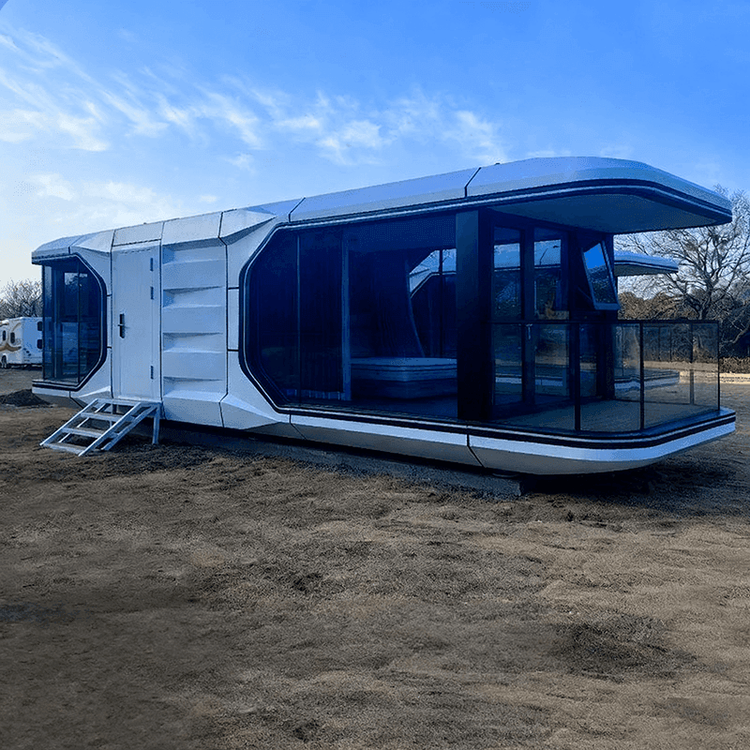
The production of indoor mobile toilets in Wushan requires targeted design that takes into account the mountainous terrain, climate, and ecological protection requirements, and achieves adaptability through modular structures, special materials, and customized technologies.

1. Geographic Environment Adaptation Design
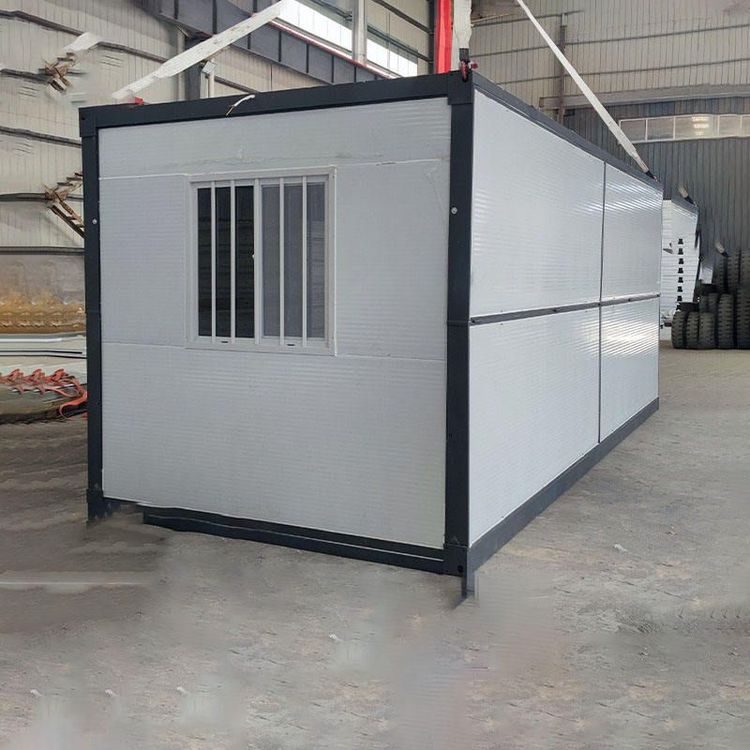
The Wushan region is dominated by gorge-river landforms, with limited road transportation conditions. Mobile toilets need to adopt highly modular designs. Complete toilet units are broken down into sub-modules that comply with the transportation limits of mountainous roads (e.g., individual piece weight ≤ 200 kg, dimensions ≤ 2.5 m × 1.5 m), facilitating manual or small machinery transport to the installation site and rapid assembly using bolts or clips. For geologically unstable areas (e.g., landslide zones or soft soil foundations), the foundation structure employs adjustable anchor bolts or lightweight raft foundations, using horizontal adjustment functions to accommodate ground undulations and ensure overall stability.
2. Climate Adaptation Technologies
Wushan receives an average annual rainfall exceeding 1200 mm, with air humidity reaching over 75%, posing high demands on material durability. The exterior walls utilize composite cladding panels, with an outer layer of UV-resistant metal sheet (e.g., galvanized aluminum-zinc steel), a middle layer of polyurethane insulation (density ≥ 40 kg/m³), and an inner layer of PVC easy-clean decorative panels, forming a waterproof-insulation-moisture-proof triple protection. Internally, an integrated moisture-proof ventilation system creates convection through a top exhaust fan and bottom air intake, combined with a dehumidification module to control relative humidity below 60%, preventing metal component corrosion and electronic component failures.
3. Ecological Protection Technology Solutions
The sanitation treatment system offers two mainstream solutions:
- Small-scale biochemical treatment equipment: Utilizing anaerobic fermentation + aerobic aeration processes, with a daily treatment capacity of 50-200 L, it converts feces into harmless liquid fertilizer, with effluent COD ≤ 100 mg/L, complying with the Field Irrigation Water Quality Standard (GB5084-2021), suitable for ecologically sensitive areas;
- Packaging and recycling system: Using biodegradable film bags to encapsulate excreta, with a single bag capacity of 15-20 L, automatically sealing and prompting replacement when full. Waste is transported by specialized vehicles to treatment stations for centralized disposal, preventing sewage leakage and soil contamination.
4. Customized Production Services
There is a demand for functional customization in the Wushan region. For example, the Laobanzhang Kiosk Processing Factory in Jiulongpo District offers a variety of products, including waterless flush types (relying on packaging systems), foldable types (reducing transport volume by 60%), and solar-powered types (equipped with 200 W monocrystalline silicon panels). Prices range from 700 to 3700 yuan per unit, primarily influenced by material grade (e.g., stainless steel frames cost 40% more than galvanized steel), functional configurations (biochemical treatment equipment adds approximately 1500 yuan in cost), and transportation distance (free installation within Wushan County, with an additional 200-500 yuan in freight for remote mountainous areas).