
Customization of Portable Toilets for Construction Sites in Wulong
The customization of portable toilets for construction sites in Wulong requires comprehensive consideration of application scenario parameters and manufacturer services, with prices varying based on configurations. Here is a detailed analysis:
1. Customization Services Based on Core Application Scenario Parameters
The customization of portable toilets for construction sites in Wulong should revolve around specific usage requirements, with core parameters including:
- Estimated Foot Traffic: High-traffic scenarios necessitate more toilet stalls or the adoption of circulating flushing systems to avoid queues; low-traffic scenarios can simplify designs to reduce costs.
- Usage Duration: Short-term projects (e.g., 3-6 months) can opt for lightweight, easily disassembled structures; long-term projects (over 1 year) require enhanced material durability, such as corrosion-resistant steel or high-density plastics.
- On-site Conditions:
- Water and Electricity Supply: In the absence of water and electricity access, solar power, water storage tanks, and waterless flushing technologies (e.g., foam sealing or microbial degradation) must be equipped;
- Sewage Disposal Restrictions: Mountainous or ecologically sensitive areas require closed-loop fecal tanks for regular pumping; urban areas can connect to municipal sewage networks.
- Special Requirements: For cold resistance (in northern winters), additional insulation layers are needed; for wind resistance (in mountainous regions), structural reinforcement is required; aesthetic preferences can be accommodated through custom exterior colors or integration of construction site cultural elements.
2. Adaptive Design for Mountainous Transportation
Given the complex terrain and narrow roads in Wulong's mountainous areas, some manufacturers offer modular split designs:
- Lightweight Materials: Aluminum alloys or high-strength composites replace traditional steel, reducing the weight of individual modules for easier manual handling;
- Split Transportation: Toilets are disassembled into independent modules such as bases, walls, and roofs, transported in batches by small vehicles to the site, and then quickly assembled to avoid overall transportation constraints.
3. Price Range and Selection Recommendations
Currently, there is a significant price variation for portable toilets on construction sites in the market, necessitating alignment with budget and requirements:
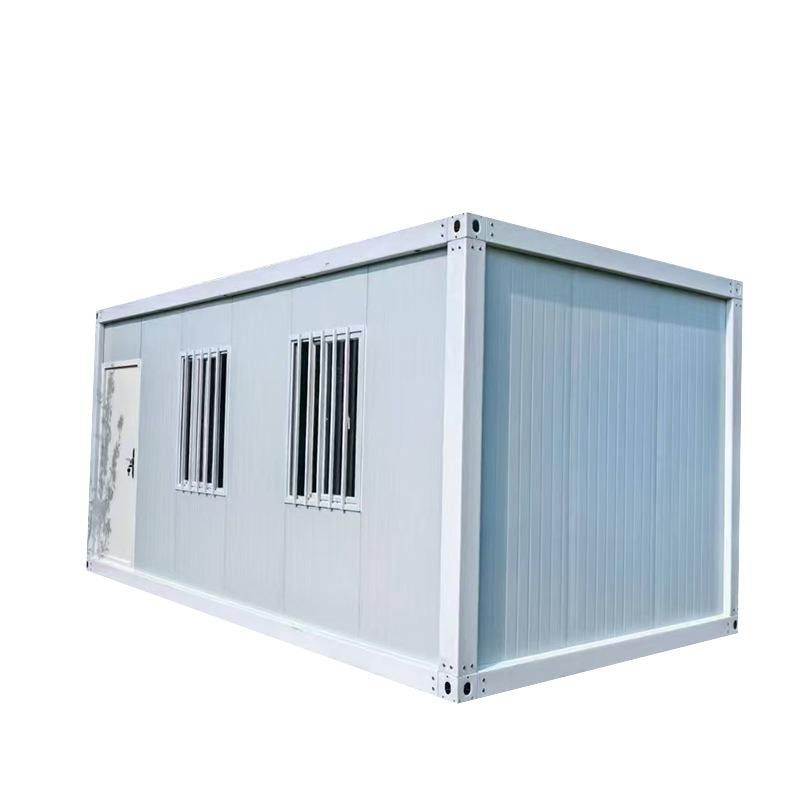
- Basic Models: Such as container-style toilets, priced at approximately ¥3000.00 per unit, suitable for short-term, low-traffic scenarios with basic toilet functions;
- Upgraded Models: Equipped with flushing systems, lighting, ventilation, etc., priced at approximately ¥8000-15000 per unit, suitable for medium- to long-term projects;
- High-end Custom Models: Integrated with smart monitoring, barrier-free facilities, environmental protection technologies, etc., prices may exceed ¥20000 per unit, primarily used for projects with high image or environmental requirements.
Recommendation: Before customization, clarify priority requirements, prioritizing core functions (such as sewage disposal and water/electricity compatibility) before considering additional configurations; simultaneously, request manufacturers to provide transportation, installation, and after-sales maintenance plans to ensure controllable full-cycle costs.



