
Wuhu Ecological Mobile Toilet Design
The design of Wuhu ecological mobile toilets is reflected in multiple aspects such as sentry-box style, outdoor-specific, intelligent, eco-friendly, and user-friendly features.
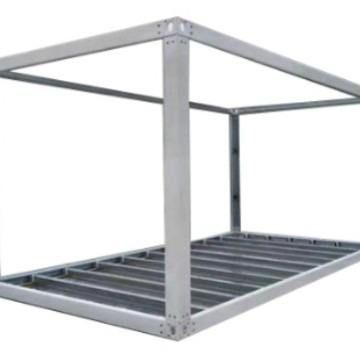
Sentry-box style design: Wuhu ecological mobile toilets adopt a modular design, resembling small sentry boxes in appearance, and harmonize well with the surrounding environment. Through details such as roof shapes and window and door layouts, they can blend into landscape areas like parks and commercial streets, avoiding disruption to the overall aesthetic. For example, at the Wuhu Fantawild Adventure theme park, sentry-box-style toilets serve as visitor service facilities, meeting both restroom needs and becoming a unique scenic feature of the park.
Outdoor-specific design: Specifically designed for outdoor scenarios, these toilets are equipped with wind-resistant, waterproof, and sun-resistant features. The main structure uses high-strength steel or anti-corrosion panels, with anti-slip bases added at the bottom to cope with Wuhu's climate conditions, including rainy summers and cold winters. Inside, they are equipped with water-saving flushing systems and odor control devices to ensure a good user experience even during peak times. The modular design facilitates easy transportation and rapid installation, making them suitable for quick deployment in temporary events or construction sites.
Intelligent design: Incorporating intelligent elements such as sensor-based flushing, LED lighting, and smart locks, some products are also equipped with IoT management systems that allow remote monitoring of equipment usage status and consumable levels, reducing operational and maintenance costs. In some newly constructed construction projects in Wuhu, sentry-box-style mobile toilets have achieved unmanned operation through intelligent management systems, reducing labor costs and improving equipment utilization efficiency.
Eco-friendly design: For long-term use scenarios such as scenic spots and parks, eco-friendly mobile restrooms offer significant advantages. They utilize water circulation systems or microbial treatment technologies, saving water and being environmentally friendly. The materials used are mostly stainless steel, fiberglass-reinforced plastic, and other corrosion-resistant materials, ensuring durability and suitability for outdoor environments. In terms of functional design, they are equipped with sinks, ventilation systems, and lighting facilities, with some high-end models also featuring baby care rooms or barrier-free facilities. Compared to traditional toilets, eco-friendly restrooms reduce sewage discharge and conserve water resources, aligning with the concept of green development.
User-friendly design: Considering comfort, the mobile toilets are designed with insulating panels that isolate external temperatures, maintaining a pleasant temperature in summer and enhancing the user experience in winter. Attention is also paid to hygiene conditions, with dedicated personnel typically managing them. The locations of mobile toilets should be chosen in unobstructed areas, such as green belts or large intersections.



