
Wuhan Leishenshan Container House
The container houses used in Wuhan Leishenshan Hospital are a modular and movable form of architecture, characterized by efficient construction, comprehensive functionality, environmental protection, and safety, providing an innovative solution for the construction of emergency medical facilities.
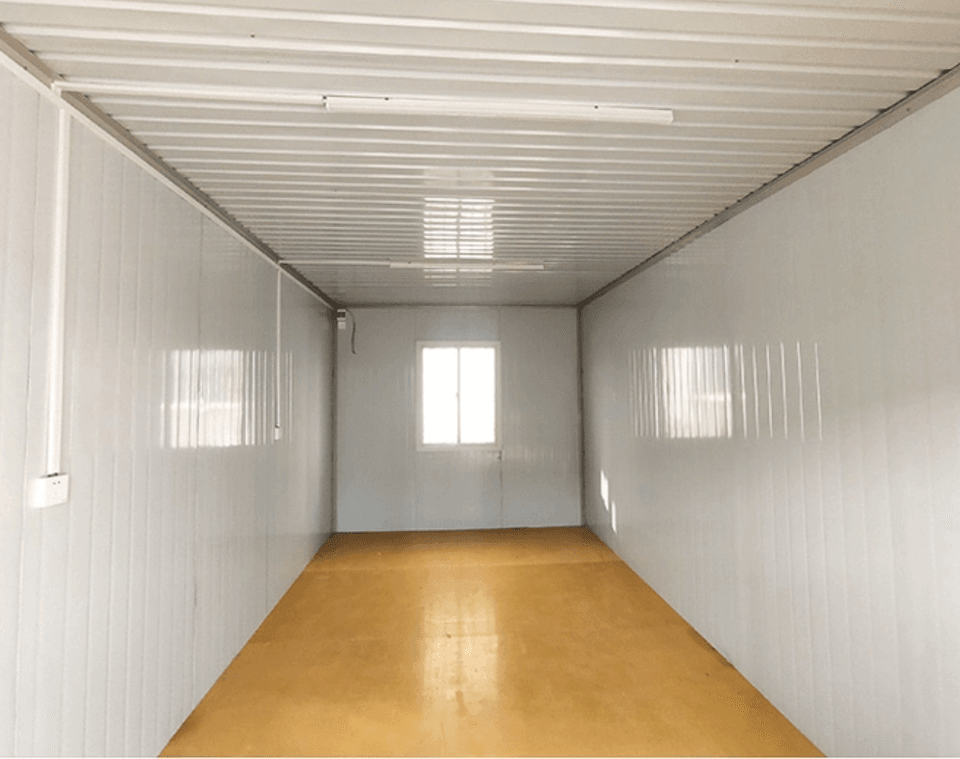
1. Movability and Reusability
Container houses take standard containers as basic units and adopt modular design, supporting flexible combinations in both horizontal and vertical directions to quickly form spacious usage spaces. Their core advantages lie in movability and reusability: containers can be used individually or expanded into multiple functional areas through bolt connections to meet the needs of different medical scenarios. After the epidemic, some container houses at Leishenshan Hospital were dismantled and transported to other projects for reuse, demonstrating efficient resource recycling.
2. Simple Structure and Convenient Installation
The container structure is welded from special section steels, with highly standardized components fixed by bolts, avoiding the wet construction processes of traditional buildings. For ease of transportation, the container houses at Leishenshan Hospital adopted a split-part transportation mode, where containers were disassembled into wall panels, roof panels, and other components and transported to Wuhan for on-site assembly according to drawings. According to actual measurements, four workers can complete the assembly of a container house unit in two hours, significantly shortening the construction period and buying precious time for emergency medical services.
3. Comprehensive Functionality, Environmental Protection, and Safety
Container houses integrate multiple protective functions: thermal insulation, wind resistance, earthquake resistance, moisture resistance, waterproofing, and leakage prevention, meeting the stringent environmental requirements of medical facilities. The container surfaces are coated with environmentally friendly paint, and the interiors are fully furnished, requiring only an external power supply to be put into use, with quick configuration of air conditioners, lighting, tables, chairs, and other facilities. Additionally, their green and environmentally friendly characteristics align with sustainable development concepts, generating no construction waste during the construction process and reducing environmental pollution.
4. Long Service Life
Through material and process optimization, container houses can have a service life of over 20 years, far exceeding that of traditional temporary buildings. During the construction of Leishenshan Hospital, high-strength steel and weather-resistant coatings were selected to ensure the long-term stable operation of containers in the humid and rainy climate of Wuhan, providing a reliable foundation for subsequent renovations or relocations.
5. Production and Transportation Support
The container houses for Leishenshan Hospital mainly came from Wen'an Industrial New Area in Hebei Province—the largest container house production base in northern China. Multiple local enterprises urgently coordinated production resources and adopted standardized assembly line operations to complete the manufacturing and transportation of thousands of container houses in a short period, providing solid material support for the rapid construction of the hospital.



