
Wuhai Waterless Mobile Toilet
The Wuhai waterless mobile toilet focuses on water conservation and environmental protection, integrating regional climate characteristics and achieving efficient waste treatment and resource recycling through technological innovation. Its technical features and application advantages are mainly reflected in the following aspects:
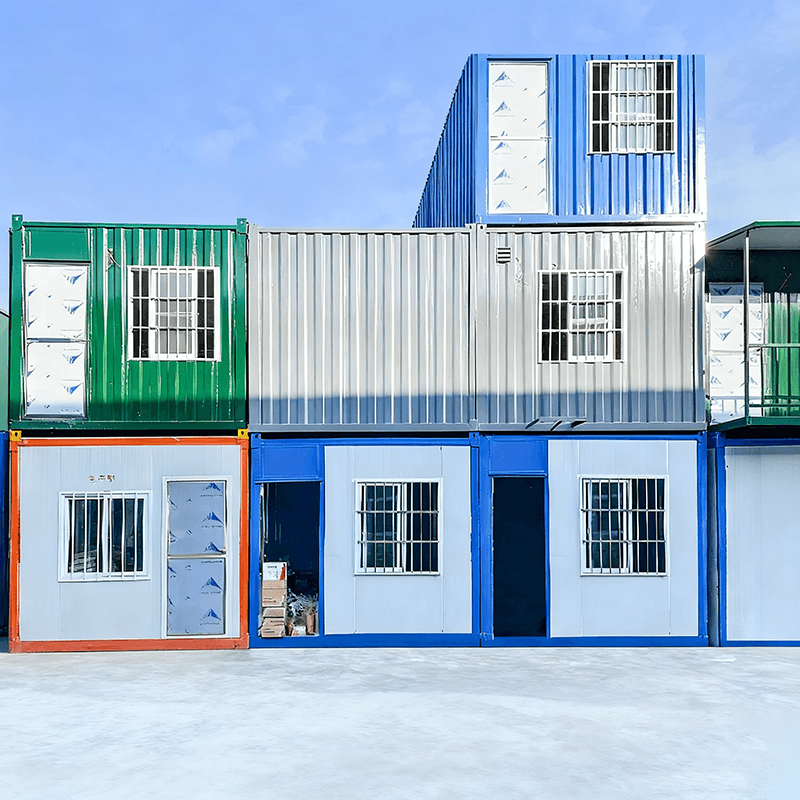
1. Water-saving waste treatment technology
Located in an arid region, Wuhai's waterless mobile toilets employ two mainstream technologies to reduce water consumption:
- Vacuum suction technology: By using a negative pressure system to quickly suction excreta, water consumption per use can be controlled below 0.5 liters, saving over 90% of water compared to traditional toilets.
- Biodegradation technology: Integrated with a microbial community decomposition device, solid waste is naturally decomposed into harmless residues within 24-48 hours, requiring no flushing and emitting no odors. Some units are equipped with efficient sewage storage tanks that can store excreta for several months, with regular collection and disposal by specialized vehicles.
2. Eco-friendly materials and lightweight design
The toilet body is made of recycled plastic and glass fiber-reinforced composite materials, reducing weight by 40%-60% compared to traditional steel, thereby lowering transportation energy consumption. The material surface is treated with UV protection, capable of withstanding temperature differences from -30℃ to 60℃, adapting to Wuhai's large temperature variations between day and night. The sealed structure uses double-layer silicone strips and sand-resistant hinges to effectively resist strong winds and sandstorms, ensuring equipment stability.
3. Solar self-sufficiency system
Equipped with monocrystalline silicon solar panels (power 200-400W) on the top, paired with lithium battery energy storage devices, it can meet the daily 8-hour operational needs of lighting, exhaust fans, and microbial treatment equipment. In rainy weather, the system automatically switches to low-power mode, prioritizing basic functionality and reducing reliance on the municipal power grid.
4. Enhanced regional adaptability design
In response to Wuhai's characteristics of drought, infrequent rainfall, and frequent sandstorms, the equipment incorporates the following optimizations:
- Sand and dust filtration system: The air intake is equipped with a three-stage filter to intercept particles with a diameter ≥0.3mm, extending the equipment's service life.
- Frost-resistant sewage storage structure: The sewage storage tank adopts a double-layer insulation design, filled with polyurethane foam material, ensuring that waste does not freeze in low-temperature winter environments.
- Modular rapid deployment: The main structure uses bolt connections, allowing installation or disassembly within 2 hours, adapting to the rapid switching needs of temporary events and construction sites.
5. Full-process service model
Leasing service providers offer an integrated service of 'transportation-installation-maintenance-removal', eliminating the need for users to bear civil engineering costs. The equipment is equipped with an intelligent monitoring system that can upload real-time data on sewage volume and energy consumption. Service providers arrange maintenance in advance based on warning information to avoid secondary pollution. According to estimates, a single unit can reduce sewage discharge by approximately 150 tons and save over 2000 tons of water resources annually.



