
Wuhai Mobile Environmental Toilet
The mobile environmental toilet in Wuhai is a supplementary form of urban infrastructure that integrates multiple technological subsystems, possesses environmental protection characteristics, and offers flexible services. It meets temporary sanitation needs and promotes sustainable development through technological integration and circular design.
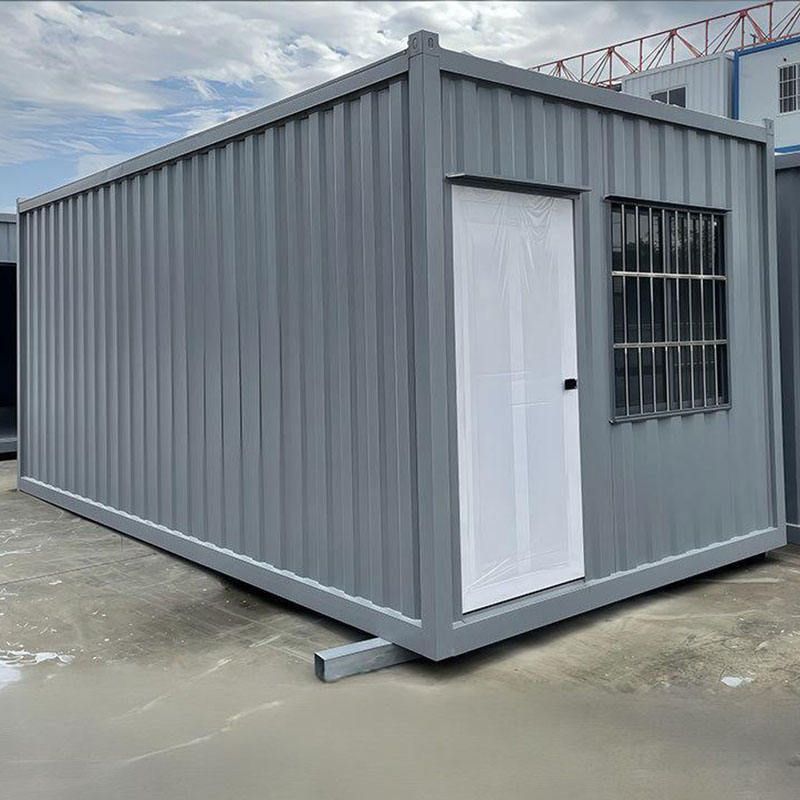
I. Technological Composition and Functional Units The mobile environmental toilet is not a single container but an independent system composed of subsystems such as frame support, waste treatment, water supply and drainage, ventilation, and lighting. Its core functional units include:
- Waste Treatment System: It employs biological degradation (e.g., microbial communities breaking down organic matter into water, carbon dioxide, and inorganic salts), chemical treatment (e.g., flocculation to separate solid matter and disinfect pathogens), or physical storage technologies. The specific choice depends on the usage scenario, environmental protection requirements, and maintenance cycle.
- Circulation System: Water-saving or waterless designs are combined with reclaimed water reuse modules (e.g., filtering and disinfecting hand-washing wastewater for toilet flushing). Solar photovoltaic panels power lighting and exhaust fans, reducing reliance on municipal water and power networks.
- Materials and Structure: The cabinet is made of corrosion-resistant, recyclable metals or composite materials. The interior decoration avoids the release of volatile organic compounds, and some facilities have greening on the top to regulate the microclimate.
II. Environmental Protection Characteristics and Social Value
- Waste Reduction and Resource Recycling: Biological degradation or physicochemical treatment achieves in-situ stabilization of waste, reducing emission volume. Reclaimed water reuse and solar power reduce resource consumption. The equipment can be reused in multiple scenarios, enhancing resource utilization efficiency.
- Environmental Improvement and Pollution Prevention and Control: It improves sanitation conditions in public places, reduces open defecation, and lowers the risk of local environmental pollution. Professional operations (e.g., cleaning, maintenance, and waste removal) further ensure environmental quality.
- Urban Management Optimization: As a 'flexible' infrastructure, it does not require a professional foundation and is suitable for venues such as park green spaces and temporary areas in squares. After the demand ends, it can be moved away and the site function can be restored, maximizing space utilization.
III. Service Models and Product Types
- Flexible Deployment and Leasing Services: Facilities' locations and quantities are adjusted according to dynamic demands such as large-scale events and tourist peaks. Service providers offer a full range of services including equipment selection, cleaning, maintenance, and waste treatment.
- Diverse Product Options: For example, Cangzhou Hengtai Sanitation Equipment Co., Ltd. offers models such as ht-579 and ht-135, covering waterless packing ecological toilets, vacuum adsorption ecological toilets, and microbial degradation ecological toilets. They support custom processing, with an applicable temperature range of -30℃ to 40℃. Materials include color steel plates and metal carved plates, with exterior walls emphasizing fire prevention, corrosion resistance, and aesthetics.
IV. Application Scenarios It is suitable for temporary high-density crowd scenarios such as construction sites, music festivals, marathons, and concerts, as well as areas with insufficient coverage of fixed public sanitation facilities. It meets diverse needs through technological integration and flexible services.



