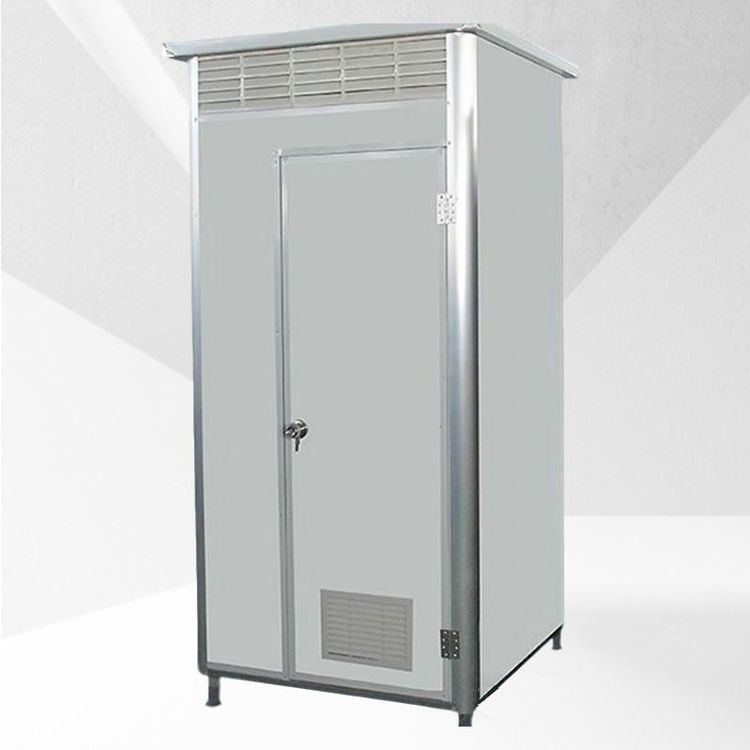
Wuhai Mobile Environmental Toilet
The Wuhai mobile environmental toilet is a flexible sanitation facility serving specific urban scenarios, achieving efficient resource utilization and pollution control through modular design and environmental protection technologies.
I. Core Functions and Service Scenarios
As a supplement to urban infrastructure, the Wuhai mobile environmental toilet primarily serves three types of scenarios:
- Large-scale public events: Temporary high-traffic areas such as sports events and music festivals, where rapid deployment meets sudden demands.
- Temporary construction sites: Short-term workplaces like construction sites, addressing workers' sanitation needs while minimizing interference with the surrounding environment.
- Areas with insufficient fixed facilities: Remote scenic spots, urban-rural fringes, etc., filling gaps in traditional public toilet layouts.
Its core advantages lie in modular design and rapid deployment capabilities, allowing flexible allocation based on demand and avoiding long-term land occupation.
II. Technical Composition and Product Types
Technical subsystems:
- Frame support: High-strength materials (e.g., color-coated steel plates, metal carved panels) ensure structural stability, with corrosion resistance, fire resistance, and moisture resistance.
- Waste treatment: Methods include biodegradation (using microorganisms to decompose excreta), chemical treatment (adding disinfectants for sterilization), and physical storage (temporary storage in sealed containers), adapting to different environmental standards.
- Water supply and drainage: Some models integrate sewage recycling systems for water reuse; drainage systems connect to municipal networks or independent treatment equipment.
- Ventilation and lighting: Natural or mechanical ventilation maintains air circulation, equipped with energy-efficient lighting or solar power systems.
Product types:
- Integrated type: Factory-assembled interiors (e.g., Cangzhou Hengtai ht-579 model), requiring only sewage pipe connections on-site, suitable for rapid activation scenarios.
- Modular type: Assembled from modular components on-site (e.g., ht-135 model), allowing space expansion or facility additions (e.g., barrier-free access,母婴室 (nursing rooms)) based on functional needs.
III. Environmental Attributes and Resource Conservation
- Material selection: Priority is given to green building materials (e.g., anticorrosive wood, recycled plastics), reducing consumption of high-energy materials like cement and steel.
- Resource recycling: Integrated sewage recycling and rainwater harvesting systems lower freshwater usage; solar power systems reduce reliance on traditional energy sources.
- Pollution control: Technologies such as microbial degradation and foam sealing effectively suppress odors and reduce pollutant emissions, meeting ecological toilet standards.
IV. Service Model and Economic Efficiency
Leasing providers configure equipment based on parameters like location, duration, and foot traffic, offering full-service support (transportation, installation, cleaning, waste removal) to ensure hygiene standards match traditional public toilets. Its economic efficiency is more suitable for short- to medium-term needs (e.g., 3-6 months), with long-term costs requiring comprehensive evaluation of factors like equipment depreciation and maintenance frequency.
V. Practical Value for Urban Management
In Wuhai's urban management, mobile environmental toilets reduce local environmental pollution risks through centralized waste collection and treatment. Their mobile usage aligns with the spatiotemporal distribution of urban activities, minimizing resource waste. For example, Cangzhou Hengtai's products have been applied in parks, docks, and stations, with adjustable locations based on environmental changes or construction needs, enhancing the flexibility and coverage efficiency of public services.