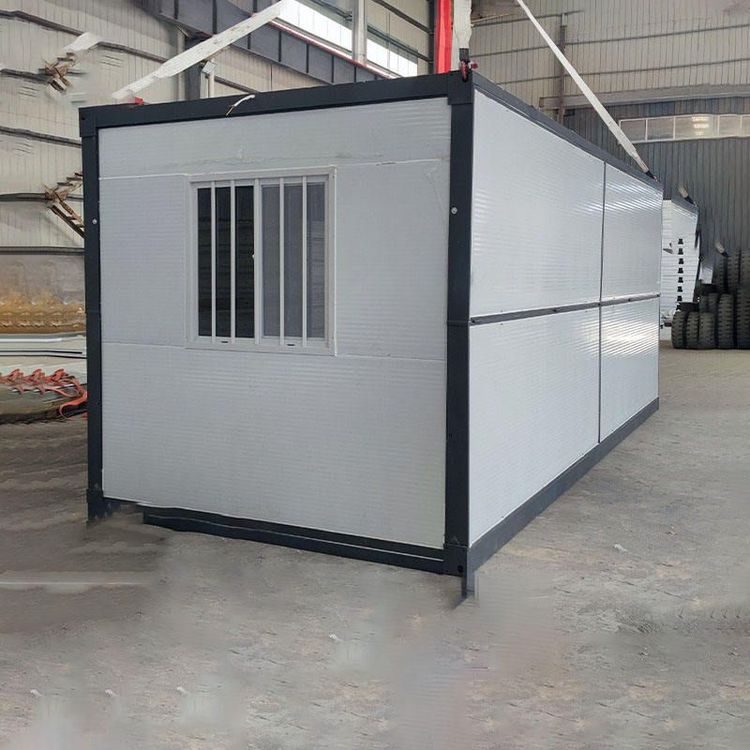
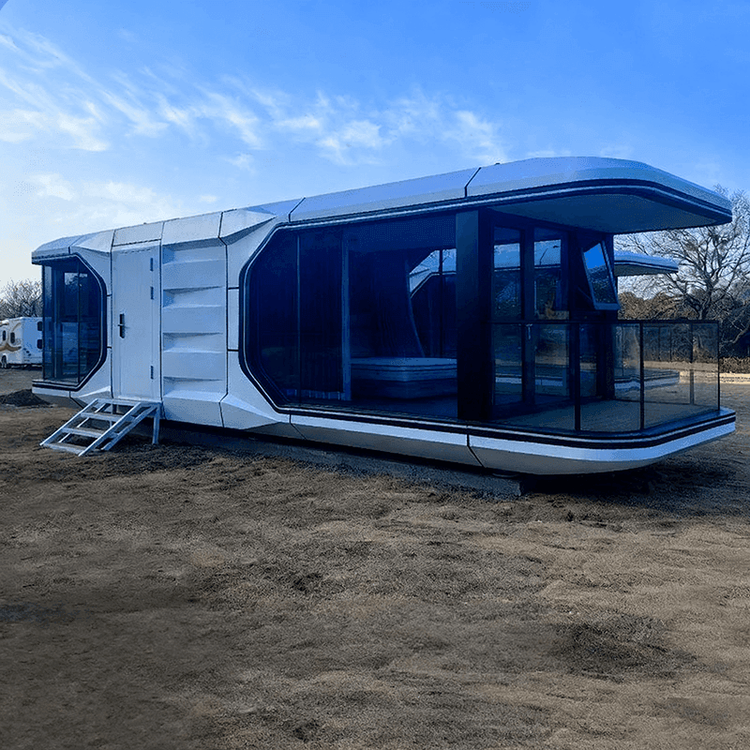
Wuhai Mobile Ecological Toilet
The Wuhai mobile ecological toilet is an environmentally friendly mobile toilet that adapts to complex terrains, features advanced pollutant treatment technology, and has an efficient operation and maintenance mechanism.
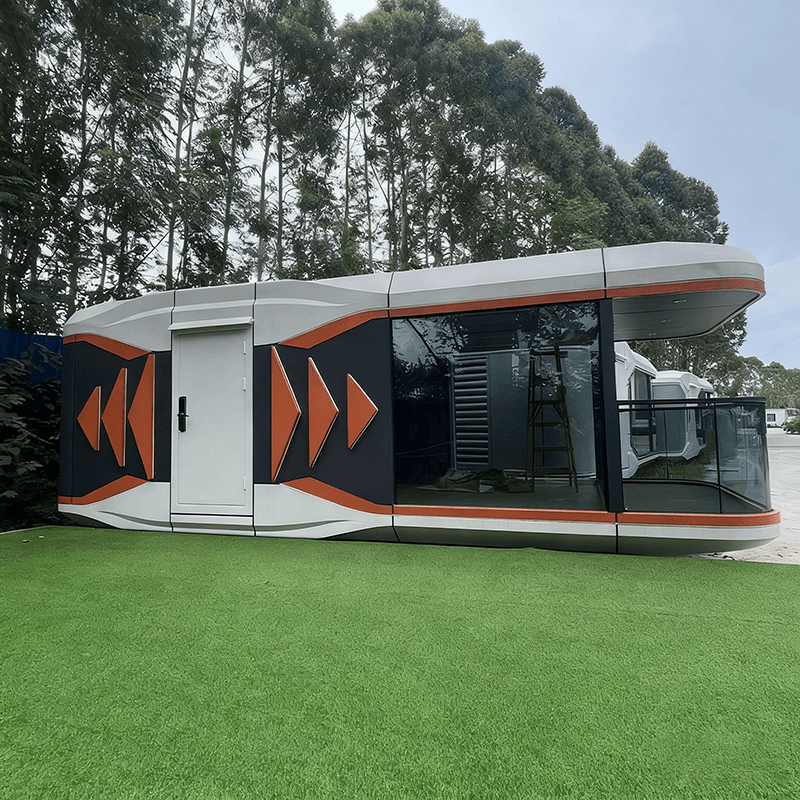
Diverse Manufacturers and Product Types: There are numerous manufacturers of Wuhai mobile ecological toilets. For example, Dalian Fuhua Hengrun Industrial Co., Ltd. produces the Fuhua Jicheng brand mobile environmental protection toilets, along with various types such as microbial ecological mobile toilets. Henan Hemai Industrial Co., Ltd. offers integrated mobile color-steel ecological and environmental protection toilets. Henan Jiuzhuo Metal Products Co., Ltd. supplies waterless flushing mobile environmental protection toilets, among others. Different manufacturers' products vary in price, minimum order quantities, and features, catering to different scenarios and needs.
Outstanding Product Features:
- High Mobility: The frame structure meets lifting requirements, enabling mobile lifting and avoiding resource waste due to house demolition.
- Unrestricted by Working Environment: With a lightweight and well-coordinated color design, it is suitable for various places such as city streets, parks, stations, and tourist attractions.
- High Internal Configuration: It offers diverse treatment methods, allowing selection based on the usage environment.
- Small Footprint: Compared to traditional toilets, it saves land area.
- Adaptation to Complex Terrains: In the Wuhai area, through a separate sewage storage device and solar power supply system, it adapts to complex terrains such as desert, lake, and mountain composite landscapes.
- Advanced Pollutant Treatment Technology: It adopts a three-stage separation design, capable of treating excreta equivalent to the usage of 200 people per day, with an energy self-sufficiency rate of up to 92%.
Efficient Operation and Allocation Mechanism: It relies on a dynamic demand forecasting model for layout adjustments, integrating various data to predict peak pedestrian flows in advance. When tourist density exceeds standards, a transportation plan is initiated. Each service point is equipped with IoT sensors to monitor equipment status in real-time, keeping equipment utilization high and reducing idle rates.
Standardized Maintenance Process: An automatic cleaning program runs after each use, and deep maintenance is initiated every 2000 operations. All consumable replacements follow preventive maintenance principles.
Significant Economic Benefits: Compared to traditional building-type toilets, it has zero land hardening costs, low infrastructure investment, and low daily operating expenses. The comprehensive cost per service person is lower than that of fixed facilities, and the number can be flexibly adjusted according to fluctuations in the tourist season.