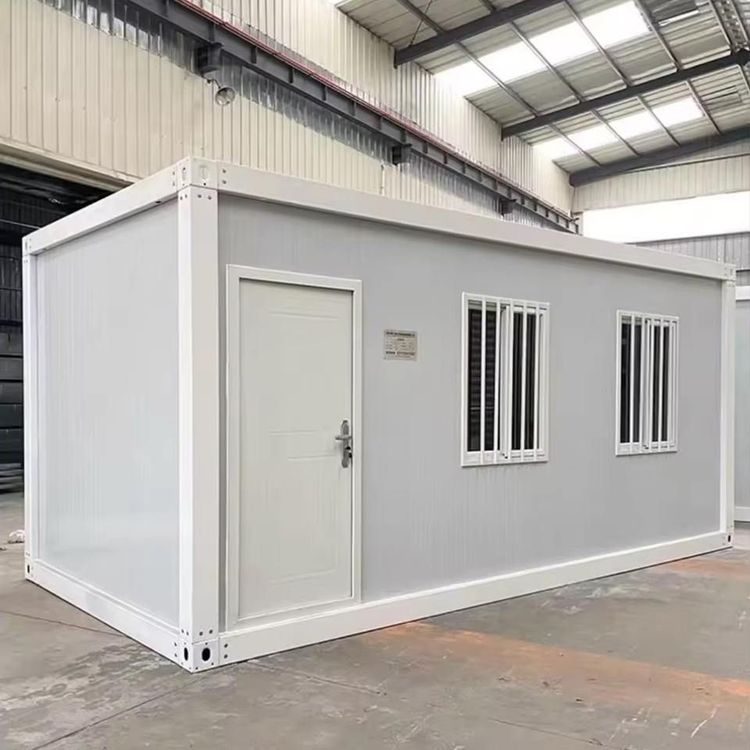
Wuhai Ecological Mobile Toilet
The Wuhai ecological mobile toilet is a modular sanitation solution designed for the local complex terrain and ecological needs, featuring advanced technology, efficient operation, and economic and environmental benefits.
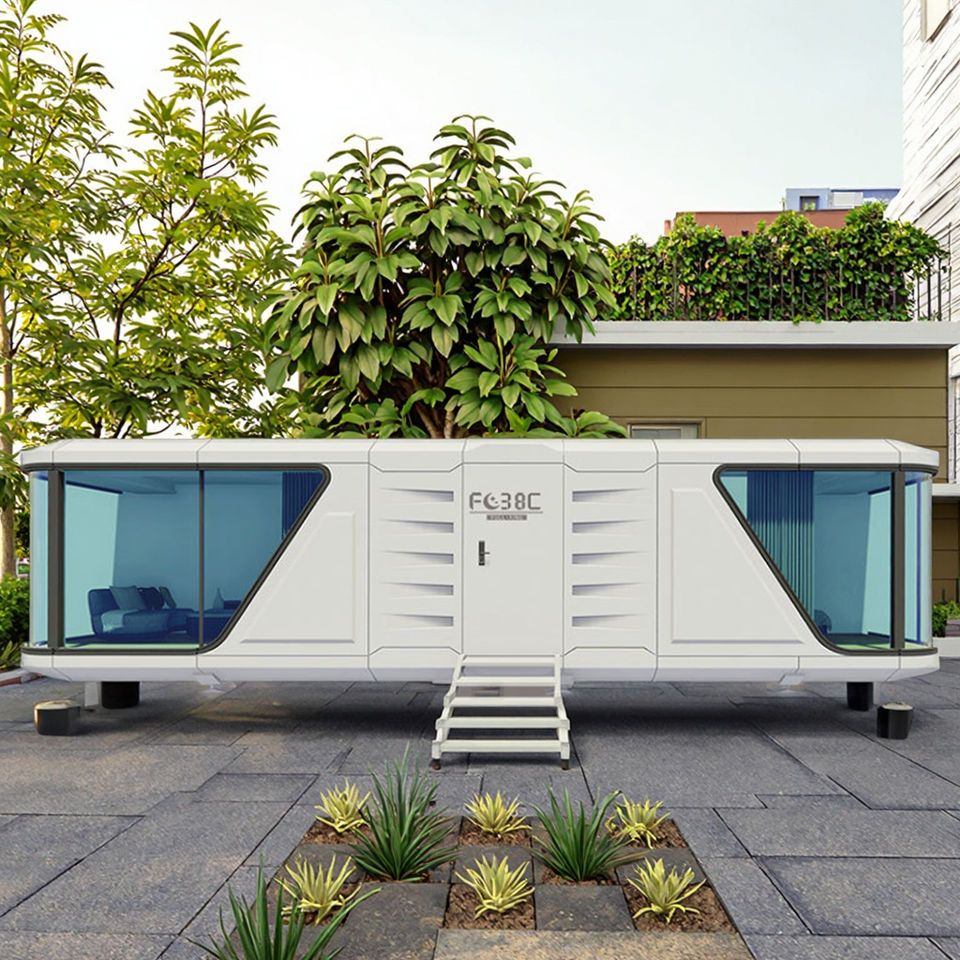
Technical Composition and Processing Capacity
The ecological mobile toilet adopts a prefabricated box structure, utilizing high-strength lightweight materials for easy transportation and rapid assembly, suitable for complex terrains such as deserts and mountains. Its pollutant treatment employs a three-stage separation technology:
- Solid-liquid separation: Preliminary filtration is carried out using biodegradable membrane materials, with the liquid entering an evaporation-condensation circulation unit and the solid compressed into sealed containers;
- Biodegradation: Thermophilic bacteria are used to degrade organic matter in a temperature-controlled environment without the need for additional water sources, reducing methane emissions by approximately 78%;
- Residue treatment: Pathogens are removed through ultraviolet photocatalytic oxidation, resulting in inert powder that can be safely landfilled.
The system can process excreta from 200 people per day, with an energy self-sufficiency rate of 92%, primarily relying on solar power.
Operational Deployment and Intelligent Management
The mobile toilet network optimizes its layout through a dynamic demand forecasting model, integrating data from scenic spot ticket sales, weather conditions, and mobile signal heatmaps to predict peak visitor flows 48 hours in advance. When visitor density exceeds 40 people per hectare, the dispatch center transports reserve units using low-profile off-road vehicles. Each location is equipped with IoT sensors to monitor sewage storage capacity, disinfectant levels, and equipment status in real-time, with data transmitted to the central system via LoRa networks. Equipment utilization rates remain between 86% and 94%, with a 41% reduction in idle rates compared to fixed public toilets.
Economy and Maintenance Costs
The mobile toilet requires no land hardening, with infrastructure investment only 23% of that of traditional toilets. Daily operating costs include 15 yuan for biological agents and 0.8 yuan per transportation dispatch, with surplus electricity fed back into the grid. A three-year cycle calculation shows that the comprehensive cost per person is 34% lower than that of fixed facilities, and the number of units can be flexibly adjusted according to the tourist season. The maintenance process is refined: automatic cleaning (high-pressure air, atomized disinfection, negative pressure ventilation) is performed after each use, and deep maintenance (replenishing bacteria, inspecting seals, dusting solar panels) is initiated every 2000 uses, with consumable replacement following a preventive principle.
Ecological Practices and Environmental Design
During production, recyclable materials are prioritized, and modular design extends component lifespan. In operation, solar panels are integrated for power supply, reducing water consumption. After the service period, major components can be disassembled and recycled, reducing construction waste. Sites are selected to avoid ecologically sensitive areas and wildlife paths, with a low-visual-impact design. Environmentally friendly cleaning agents are used for maintenance, and strict management of sewage and solid waste prevents secondary pollution.