
Wuhai Ecological Mobile Toilet
The Wuhai ecological mobile toilet is a mobile sanitation facility that integrates multiple environmental protection technologies. As a supplement to traditional fixed toilets, it is suitable for temporary, high-density crowd scenarios and features ecological compatibility and optimized resource allocation.
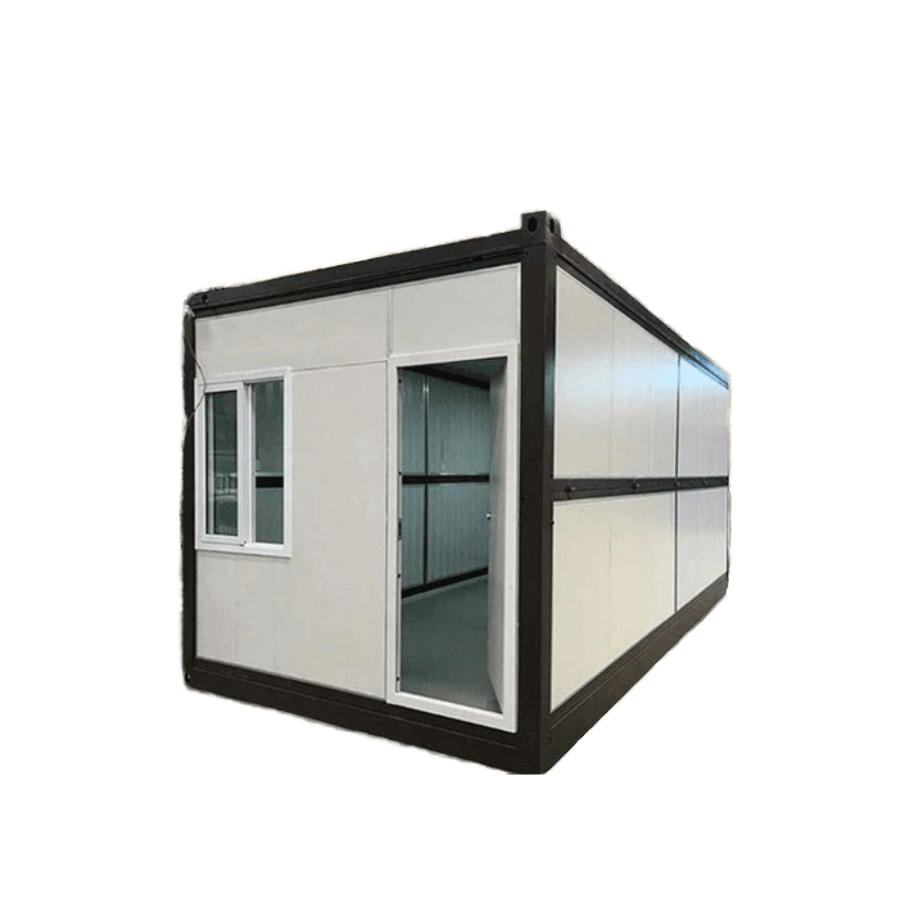
Technical Composition and Functional Characteristics
The Wuhai ecological mobile toilet is based on a prefabricated high-strength lightweight box structure, facilitating easy transportation and rapid assembly. Its core technical modules include:
- Water-saving system: It employs vacuum negative pressure or foam sealing technology instead of traditional water flushing, reducing water consumption per use by 60%-90%. Some models are equipped with a water circulation system for sewage purification and reuse.
- Waste treatment: Three technical paths are provided according to scenario requirements: connection to municipal sewage networks, installation of biodegradation units (utilizing microorganisms to decompose organic matter), or sealed storage followed by centralized disposal. For example, in areas without sewage networks, the biodegradation treatment unit can convert feces into harmless fertilizer with a treatment cycle of approximately 7-15 days.
- Energy self-sufficiency: Solar panels are integrated to power lighting and ventilation systems. In rainy weather, energy storage batteries can maintain basic operation for 24 hours, reducing reliance on external power grids.
- Modular design: Subsystems such as frame support, water supply and drainage, and ventilation and lighting adopt standardized interfaces, supporting rapid disassembly and assembly as well as component replacement, thereby extending the overall service life.
Ecological Practices and Environmental Benefits
- Full lifecycle management: Recyclable materials (such as recycled plastics and aluminum alloys) are used in the production stage, and modular design reduces component wear rates. During operation, water-saving and energy-saving technologies reduce resource consumption. After retirement, over 90% of components can be disassembled and recycled, reducing construction waste by 80% compared to traditional toilets.
- Natural environment compatibility: When deployed in ecologically sensitive areas such as Wuhai parks, site selection avoids wildlife migration paths and water source protection zones. The exterior adopts low-saturation colors and biomimetic shapes to reduce visual impact. During operation and maintenance, phosphorus-free detergents are prohibited, and sewage is treated through a three-stage sedimentation + biological filter process to meet discharge standards, preventing soil and water pollution.
Service Models and Market Applications
The rental service for Wuhai ecological mobile toilets meets demand through dynamic resource allocation optimization: service providers match equipment types (such as water circulation or biodegradation models) and quantities based on parameters such as crowd flow predictions (e.g., peak periods during holidays in scenic spots) and usage durations (short-term events or long-term projects), and provide a full chain of services including cleaning, disinfection, and waste removal. For example, manufacturers such as Dalian Fuhua Hengrun Industrial Co., Ltd. offer customized products with a nationwide sales network. Their water circulation environmental protection toilets are widely used in Wuhai scenic spots due to their cost-effectiveness.



