WTT Mobile Toilet
The mobile toilets used in the WTT US Grand Slam event are vehicle-based toilets parked outside the venue, with a limited number that causes inconvenience to athletes. Here is a detailed analysis:
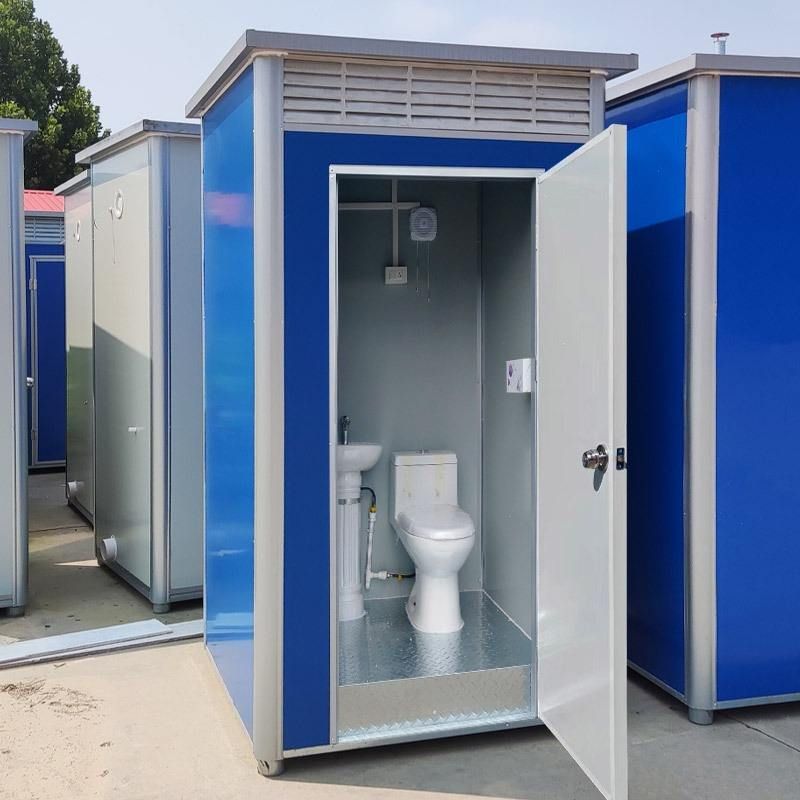
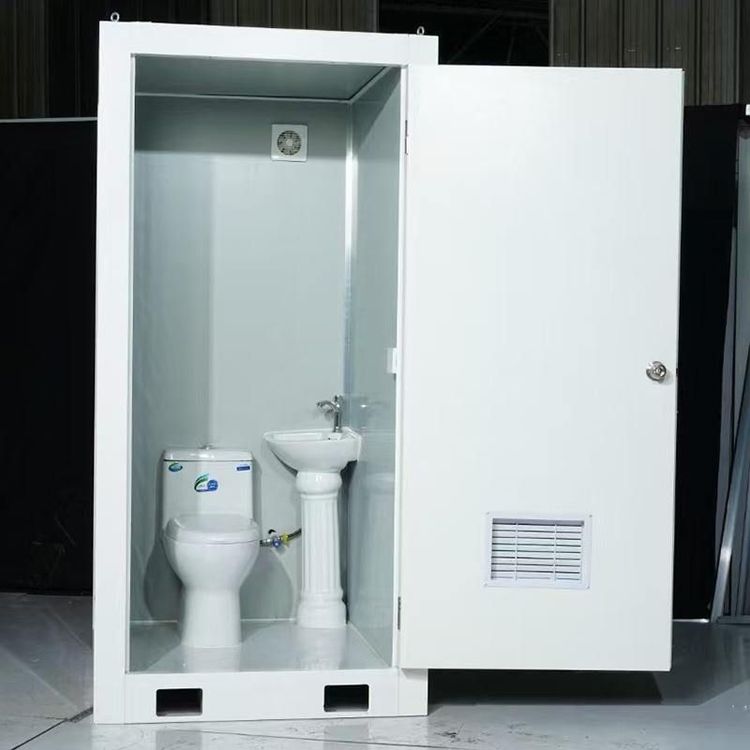
In the WTT US Grand Slam event, the toilet facilities are in the form of mobile vehicles. This design is usually to meet the temporary and mobile needs of large-scale events, facilitating quick deployment and adjustment across different venues. However, from the perspective of actual usage, this arrangement has obvious shortcomings. Reports indicate that only two mobile toilets were set up at the event site. For a large-scale sporting event, such a limited number of toilets is clearly insufficient to meet the basic needs of athletes, staff, and spectators. Especially during the competition, with frequent personnel movement and a concentrated demand for toilet use, two mobile toilets simply cannot handle the peak-time toilet pressure.
The fact that the mobile toilets are parked outside the venue further exacerbates the inconvenience of use. When athletes need to use the toilet during breaks in the competition, they have to leave the venue and walk to the external mobile toilets. This process not only wastes time but may also affect the athletes' competition state and rhythm. For example, during tense competition breaks, athletes need to quickly adjust their physical and mental states, and the long round-trip to the toilet will undoubtedly interrupt this process and increase psychological pressure. In addition, in case of bad weather, such as heavy rain or high temperatures, athletes will face additional physical challenges during the round-trip to the toilet.
Frequent queuing further highlights the problem of insufficient mobile toilets. During peak periods of the event, long queues often form in front of the mobile toilets, and athletes have to wait for a long time to use them. This not only affects the athletes' competition experience but may also have a negative impact on the overall operational efficiency of the event. For example, if an athlete misses a crucial moment in the competition due to queuing for the toilet or is affected in subsequent competitions due to a long wait, it will have an adverse impact on the event results.