
Wooden Single-Person Single-Room Mobile Toilet
Currently, wooden single-person single-room mobile toilets are not common. Modern mobile toilets mostly use materials such as steel structures, but there are still single-unit mobile toilets that can meet the needs of single-person single-room use.
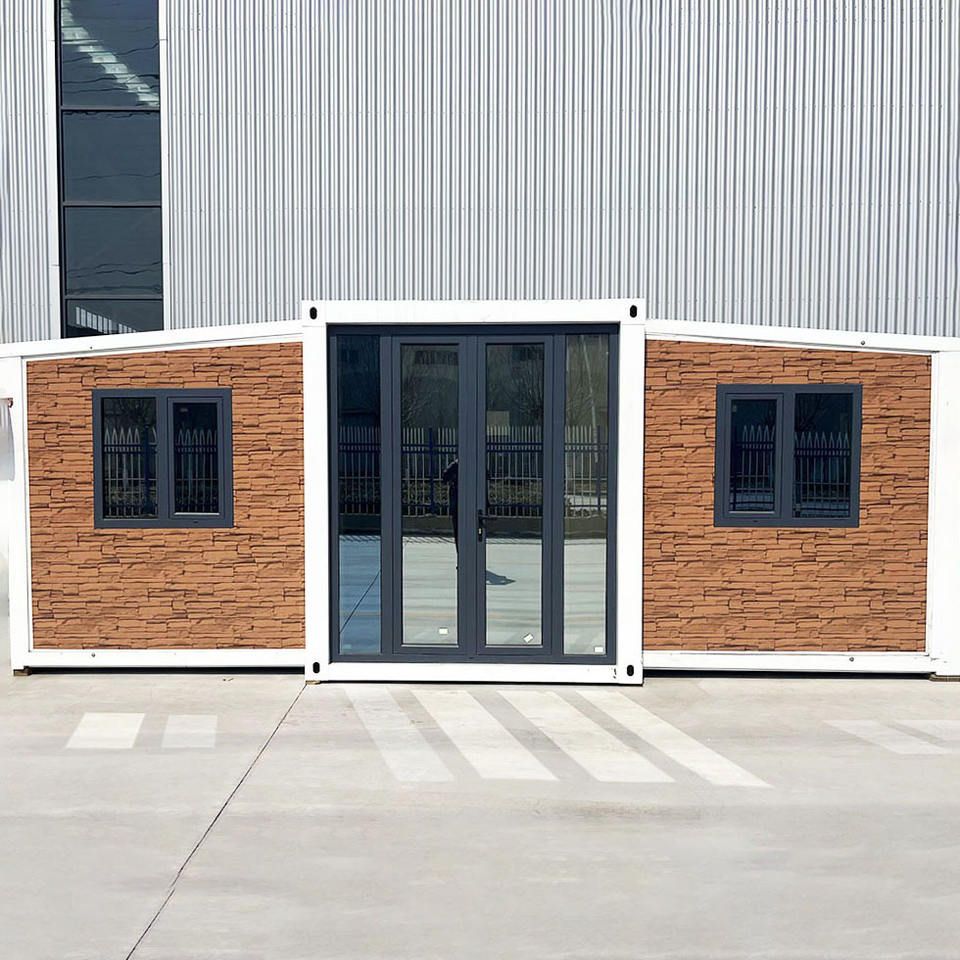
Situation of Traditional Wooden Mobile Toilets
Initially, mobile toilets were made using materials like wood, with relatively simple structures and functions. These wooden mobile toilets had obvious drawbacks. Due to the nature of wood, they were prone to absorbing odors, which greatly affected the user experience. Moreover, after a period of use, it was difficult to maintain proper hygiene conditions, so they were gradually replaced by other materials.
Common Materials for Modern Mobile Toilets
Currently, mobile toilet companies generally use steel structures as the main framework. Steel structures have advantages such as high strength and good stability, providing a sturdy support structure for the toilets and ensuring their safety during movement and use. For exterior wall materials, options include galvanized steel sheets, stainless steel sheets, aluminum sheets, or metal carved panels. These materials are corrosion-resistant, easy to clean, and aesthetically pleasing, effectively enhancing the appearance quality and service life of the toilets. Inside, rock wool or polyurethane is commonly used for thermal insulation, ensuring that the toilets can maintain a relatively comfortable temperature in different seasons and improving user comfort. The floors are usually laid with anti-slip flooring and paired with a waterproof layer to prevent people from slipping and avoid damage to the floor from sewage leakage. Doors and windows often use aluminum alloy profiles with insulated tempered glass, providing good sealing and sound insulation while ensuring sufficient lighting.
Single-Unit Mobile Toilets
Common mobile toilets include single-unit mobile toilets, which are independent compartments and are very suitable for places with scattered pedestrian traffic. Single-unit mobile toilets can meet the needs of single-person single-room use and come in various types according to different classification criteria. Based on structural form, they can be divided into single-structure mobile toilets and composite-structure mobile toilets. Based on mobility, they can be classified as hoisting and handling mobile toilets, powered and towed mobile toilets. Based on sewage treatment methods, they can be categorized as water-flush and non-water-flush suction mobile toilets, circulating water-flush mobile toilets, and dry-packing mobile toilets. Users can choose according to their actual needs.



