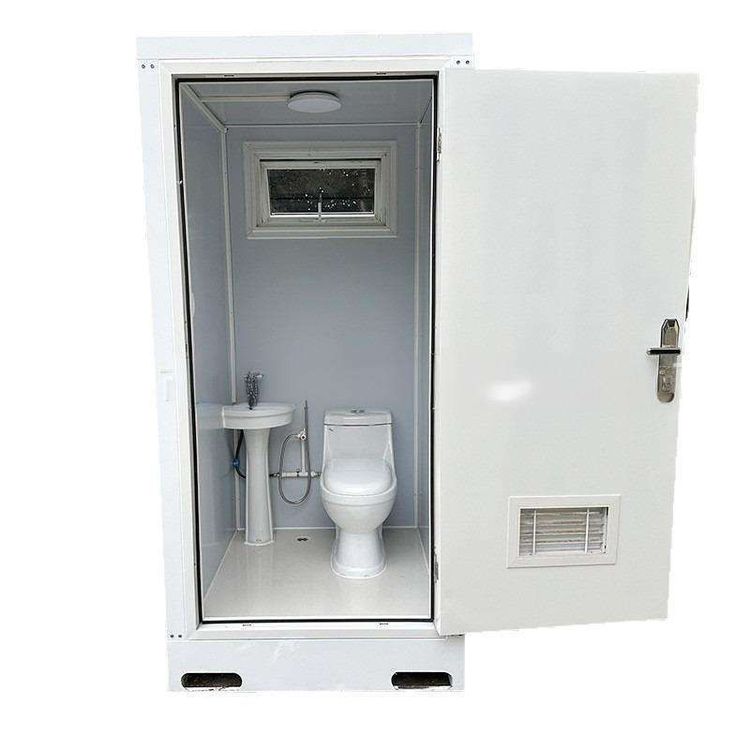
Wooden Movable Toilet
Wooden movable toilets are temporary sanitation facilities that combine practicality with environmental protection concepts, commonly found at outdoor events, construction sites, or temporary gathering places.

Material Selection and Treatment
Wooden movable toilets typically use preservative-treated pine, fir, or oak, which are stable in texture, resistant to moisture and insect damage. Preservative treatment methods include pressure impregnation with preservatives or surface coating with eco-friendly wood wax oil, ensuring long-term use without deformation or decay. Additionally, the wood must comply with fire safety standards, with some products coated with fire-retardant paint to reduce fire risks.
Structural and Functional Design
- Frame: Utilizes mortise-and-tenon joints or metal connectors for reinforcement, ensuring overall stability.
- Compartment: The interior space is usually 1.2 meters × 1.5 meters, meeting basic usage needs.
- Sanitation System: Offers two options: dry separation type (such as composting toilets) or connection to a portable sewage tank, the latter requiring regular cleaning.
- Ventilation Design: Equipped with breathable windows or small exhaust fans on the top to reduce odors. Some high-end models also feature solar lighting or rainwater collection systems, enhancing practicality.
Applicable Scenarios
- Outdoor Events: Such as music festivals and camping areas, where their natural appearance blends well with the landscape.
- Temporary Construction Sites: Provide convenience for workers and allow for material recycling after dismantling.
- Ecological Scenic Spots: Meet environmental protection requirements and reduce the burden on the environment.
Environmental Protection and Sustainability
Wood, as a renewable resource, has a lower carbon footprint than plastic or metal. Using local wood further reduces transportation energy consumption. After disposal, untreated wood can naturally degrade, while preservative-treated wood requires professional handling to avoid pollution. Some manufacturers offer recycling services, repurposing old toilet wood into other products.
Maintenance and Cleaning Tips
- Inspect the wood surface weekly and reapply protective coatings to prevent moisture damage.
- Use biodegradable cleaners for flushing to avoid corroding pipes.
- Drain the water tank in winter to prevent freezing and cracking.
Frequently Asked Questions
- Are they prone to catching fire? Compliant products are coated with fire-retardant paint, but keeping them away from fire sources is still necessary.
- Are they more expensive than regular movable toilets? Initial investment may be 20%-30% higher, but long-term durability can offset the price difference. The unit price for regular models is approximately 3000-5000 yuan.
- How to solve odor problems? In addition to ventilation design, biological deodorizers or activated carbon packs can be added.