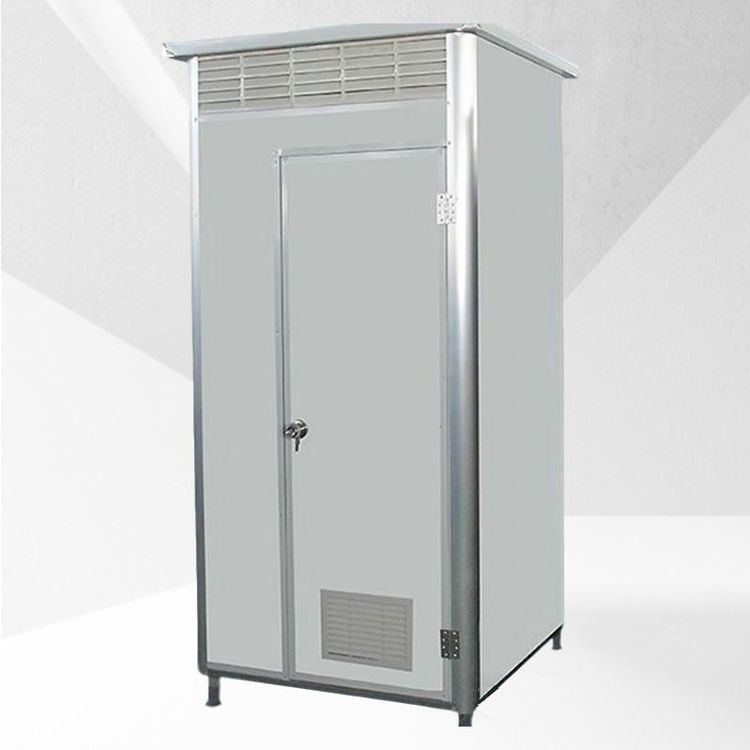
Wooden House Mobile Toilet
A wooden house mobile toilet is a facility that can be moved as a whole and set up as needed to provide toilet services to the public. It features diverse materials, wide applications, various types, and movable combinations.
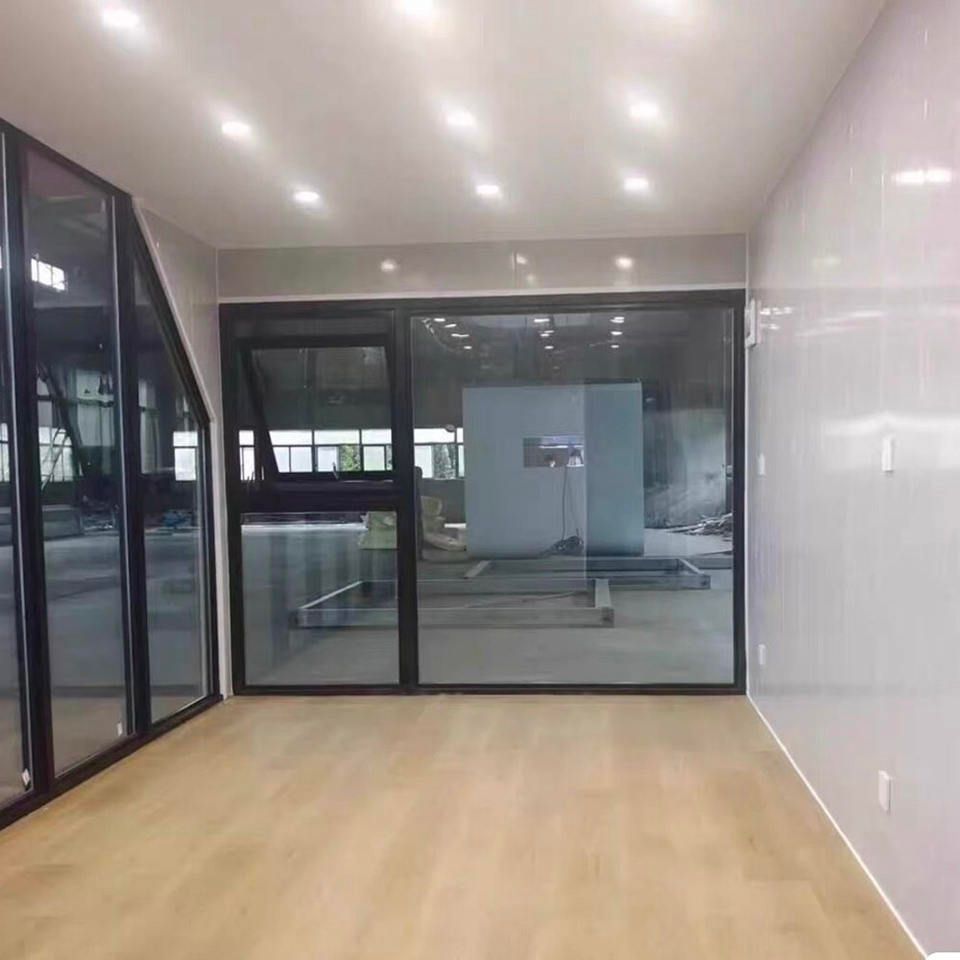
In terms of materials, wooden house mobile toilets do not solely use wood but incorporate a variety of materials. In addition to commonly used anticorrosive wood, there are steel structures, fiberglass, color-coated steel, metals, light steel, galvanized sheets, stainless steel, aluminum alloys, galvanized steel, plastics, and steel plates. Different materials have distinct characteristics. For example, anticorrosive wood is eco-friendly and naturally beautiful, suitable for creating a warm toilet environment; steel structures are sturdy and durable, capable of withstanding significant external forces; stainless steel is corrosion-resistant and easy to clean and maintain, suitable for places with high hygiene requirements.
Regarding applications, wooden house mobile toilets have a wide range of uses. They can serve as outdoor restrooms, meeting the toilet needs of people during outdoor activities in parks, scenic spots, etc. As mobile toilets, they play a crucial role in temporary venues such as large events and exhibitions. They can also function as public toilets, placed in public places like streets and squares. Construction site toilets are also a common application, providing convenience for construction workers.
In terms of types, there are various types based on different criteria. According to structural form, they are divided into single-structure mobile toilets and composite-structure mobile toilets. Single-structure toilets are simple and independent, while composite-structure toilets have richer functions and more spacious interiors. According to mobility, there are lifting and handling-type mobile toilets and powered and towed-type mobile toilets. The former rely on lifting equipment for handling, while the latter can move on their own with power or be towed by vehicles. According to sewage treatment methods, they are classified into water-flush and waterless-flush suction-type mobile toilets, circulating water-flush mobile toilets, and dry-packing mobile toilets. Water-flush toilets are clean and hygienic but require a water source. Waterless-flush suction-type toilets are suitable for water-scarce areas. Circulating water-flush toilets can save water, and dry-packing toilets do not require sewage treatment, offering convenience and speed.
In terms of characteristics, wooden house mobile toilets can be easily transported to any location where a toilet needs to be set up and can be used repeatedly. They have the advantages of mobility, combinability, and ease of transportation, allowing for flexible adjustment of their position and scale according to actual needs.