
Back to blog
Article
Wood-Grain Folding Container House
Admin September 15, 2026
The wood-grain folding container house is a modular integrated house that combines wood-grain decoration with folding functionality. It features portability, low cost, and reusability, making it suitable for emergency support, temporary commercial use, cultural tourism and homestays, and other scenarios.
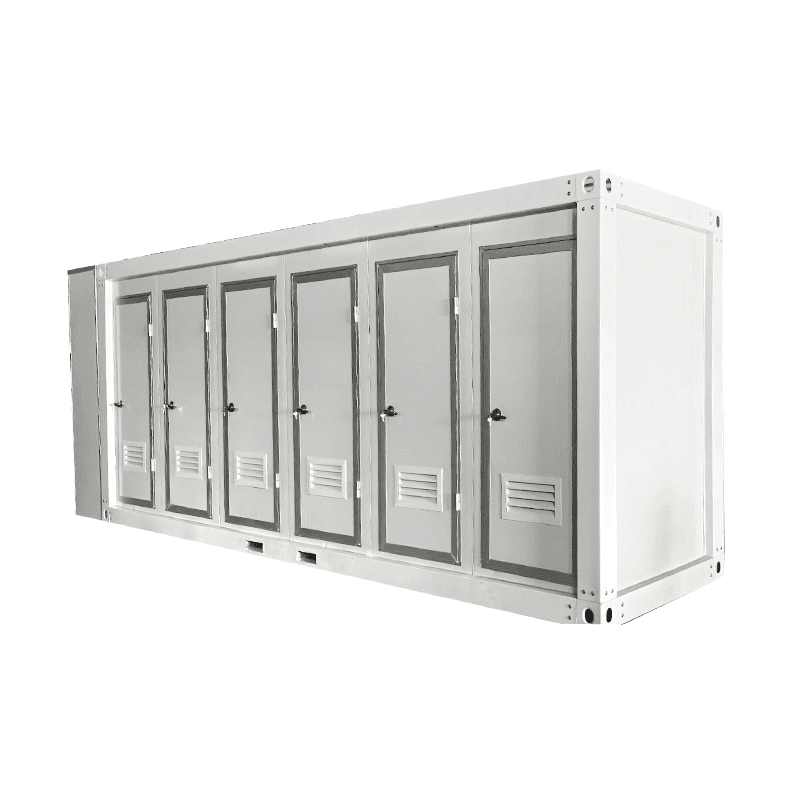
I. Core Features
- Folding Portability
When folded, its volume is only 1/4 to 1/5.5 of its expanded state, significantly reducing transportation costs. For example, products from Suzhou Zhongnan Steel Structure can be loaded with 20 units per truck, with transportation costs as low as 150 yuan per unit, making them suitable for rapid bulk deployment. - Wood-Grain Decoration
The exterior facade features a simulated wood-grain finish, balancing aesthetics and practicality. It is suitable for cultural tourism homestays, commercial districts, and other scenarios, enhancing visual appeal. - Reusability
It supports multiple disassembly, folding, transportation, and expansion cycles, with strong structural stability. On average, products from leading manufacturers can be disassembled and reused more than 8 times, reducing construction waste emissions by approximately 90% and aligning with low-carbon circular economy policies.
II. Application Scenarios
- Emergency Support
In the event of earthquakes, floods, or other disasters, it can be quickly transported to the site to serve as a temporary shelter or command center, reducing warehousing and transportation costs. - Temporary Commercial Use
It is suitable for pop-up shops, mobile kiosks, and other scenarios, with high expansion efficiency (some products can be assembled by a single person in 5 minutes), shortening project startup cycles. - Cultural Tourism and Homestays
Through personalized customization (such as wall thicknesses of 50MM/75MM/100MM), it meets the needs of vacation villas, treehouses, and other accommodations in different climate zones, blending in with the natural environment through its wood-grain appearance.
III. Selection Recommendations
- Focus on Process Performance
Prioritize products with a weld-free quick-assembly process and low disassembly and assembly losses to ensure structural stability after multiple reuses. - Verify Compliance Qualifications
Confirm that the manufacturer has domestic and international certifications (such as CE certificates) and project delivery capabilities to avoid cross-border usage risks due to incomplete qualifications. - Evaluate Scenario Adaptability
Choose customized services based on needs, such as internal functional zoning and exterior facade materials, to enhance multi-scenario versatility. - Calculate Total Lifecycle Costs
Comprehensively consider purchase price, transportation costs, warehousing costs, and reuse frequency, prioritizing products with low maintenance and operational costs.



