Wind Farm Container House
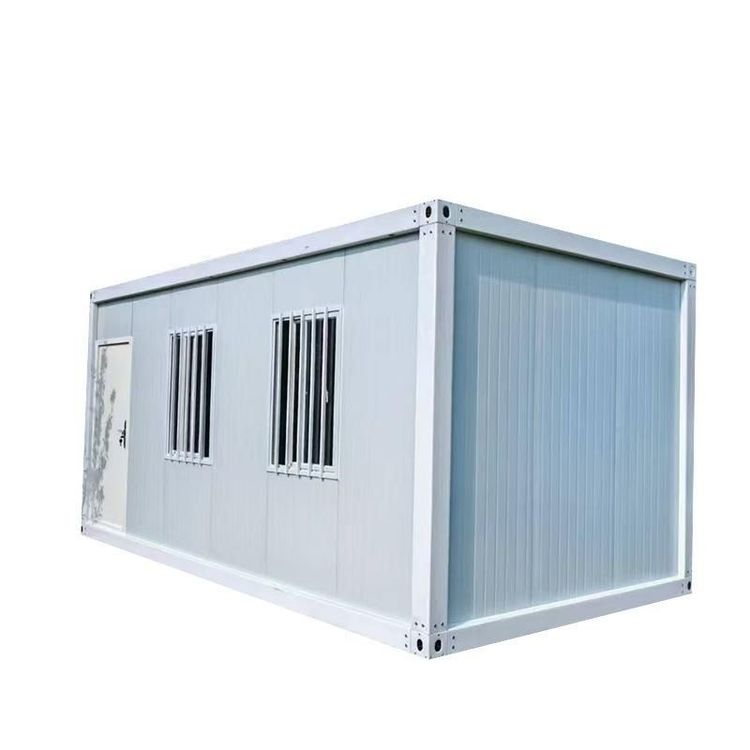
Wind farm container houses generally refer to modular container buildings used for the placement of wind farm-related equipment, personnel offices, or temporary residences, featuring mobility, rapid deployment, and adaptability to outdoor environments. The following provides an introduction from the perspectives of types, application scenarios, core advantages, and selection recommendations:

Types and Functions
Wind farm container houses can be divided into two categories based on their purposes: equipment prefabricated cabins and personnel housing.
- Equipment Prefabricated Cabins: For example, the "wind farm prefabricated cabins" manufactured by Cangzhou Xinhe are specifically designed for wind power equipment, integrating functions such as electrical control and energy storage systems. They adopt standardized modular structures and can be rapidly deployed at wind farm sites to meet the needs of equipment installation, commissioning, and operation and maintenance.
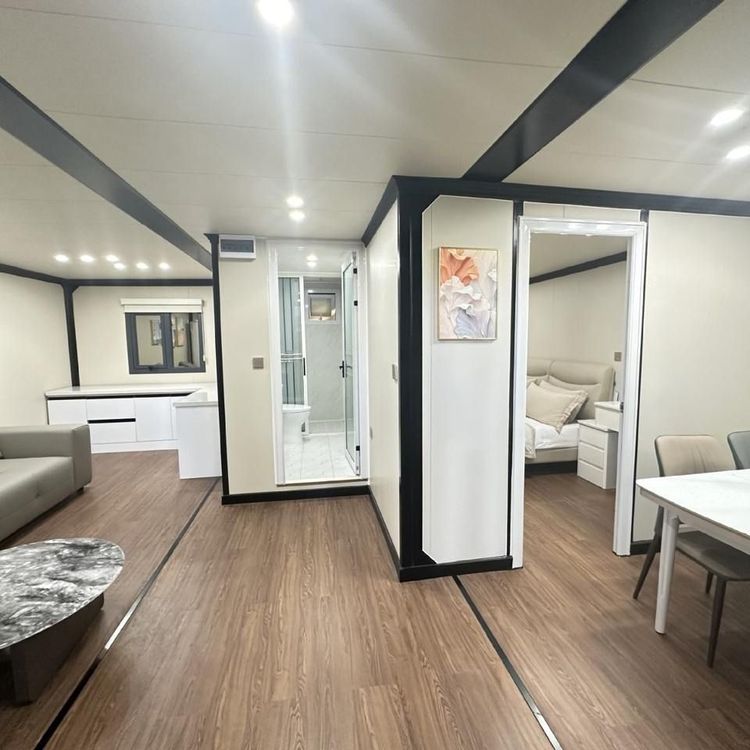
- Personnel Housing: This includes temporary office buildings, dormitories, or emergency rescue shelters. For instance, the container-style mobile houses launched by Zhejiang Hangxing feature high-strength steel frames with wind and earthquake resistance. They have pre-set channels for strong and weak current wiring inside and can be flexibly equipped with lighting, air conditioning, and other facilities, enabling "plug-and-play" functionality.
Application Scenarios
Wind farm container houses are widely used in the full lifecycle management of wind power projects.
- Construction Phase: As temporary office spaces or equipment storage points, they shorten the construction period and reduce the difficulty of on-site operations.
- Operation Phase: Serving as equipment monitoring centers or personnel rest areas, they adapt to the remote and scattered geographical characteristics of wind farms.
- Emergency Scenarios: For example, Shuangyi container houses can be quickly transformed into emergency command rooms or isolation restrooms to meet flexible needs in unexpected situations.
Core Advantages
The core advantages of wind farm container houses lie in their modular design and environmental adaptability.
- Modularity: They support factory prefabrication and on-site rapid installation, reducing on-site welding and civil engineering work and improving construction efficiency.
- Environmental Adaptability: In response to extreme environments in wind farms, such as strong winds, low temperatures, or dust, they employ anti-corrosion treatments, insulation layers, and sealing designs to ensure long-term stable operation.
Selection Recommendations
When selecting wind farm container houses, it is essential to focus on structural safety, customization capabilities, and full-chain services.
- Structural Safety: Prioritize enterprises that have passed certifications such as ISO 9001 and CE, ensuring wind resistance ratings of 10-12 and applicable temperature ranges covering -40°C to 85°C.
- Customization Capabilities: Choose suppliers that support the embedding of internal pipelines and the integration of power distribution systems according to the specific needs of wind farms.
- Full-Chain Services: Prefer enterprises that provide one-stop services including "design-production-transportation-installation-after-sales" to reduce project coordination costs.