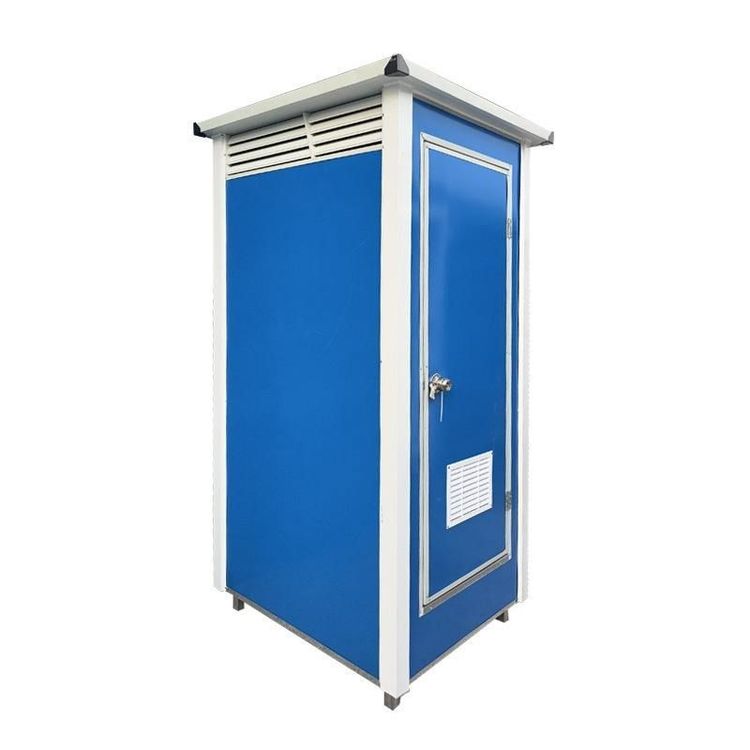
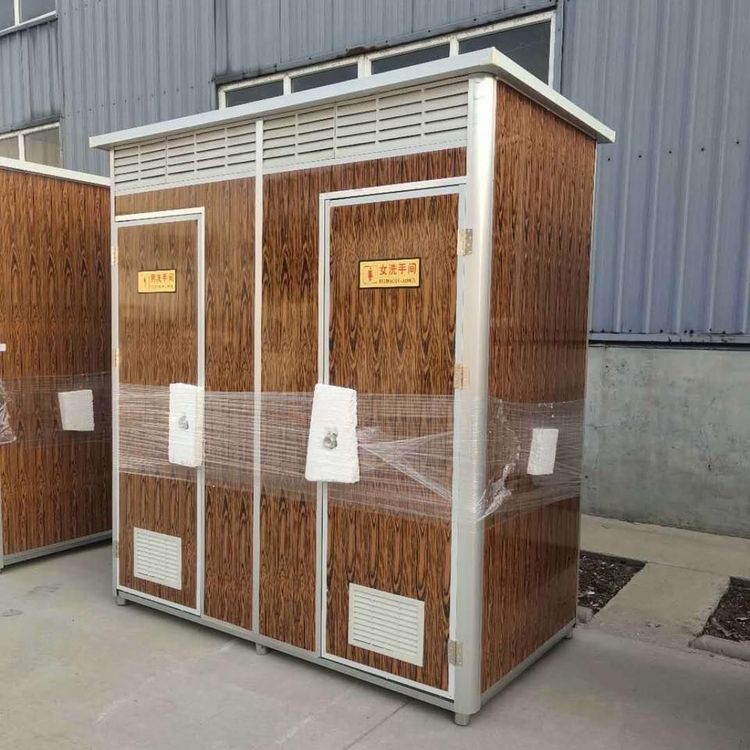
Why Do Mobile Toilets Leak?
The reasons for water leakage in mobile toilets can be categorized as follows:

Waterproof layer issues are one of the common causes. If the waterproof layer is damaged or has construction defects, such as aging and cracking after long-term use, or poor construction quality, it can lead to leakage. Additionally, inadequate secondary waterproofing, such as unsealed floor drains and pipe connections, allows moisture to penetrate through these weak points, causing leakage.
Pipe system problems should not be overlooked. Water pipes may rupture due to long-term exposure to water pressure, water quality erosion, or loose connections, especially in winter when they are prone to freezing and cracking. Poor sealing or unstable embedding at the connections of toilets, water tanks, and other equipment can also cause leakage.
Drainage system issues are equally crucial. If drainage pipes are blocked by foreign objects or have insufficient drainage slopes, water cannot be discharged promptly, leading to water accumulation and leakage. Improper installation of floor drains, such as loose seams or inappropriate equipment elevations, can cause backflow and result in leakage.
Aging of equipment seals is also an important cause of leakage. The sealing rings or rubber gaskets of toilets, water tanks, and other equipment can age due to long-term exposure to moisture, losing their sealing function and causing leakage.
Building structure or installation problems can also lead to leakage. If a mobile toilet has wall cracks, ground settlement, or unstable embedded pipes and equipment, it may cause leakage. Additionally, inadequate protection of finished products or improper handling of pipe sleeves passing through floors can increase the risk of leakage.
Extreme weather conditions can also cause water leakage in mobile toilets. For example, blocked drainage outlets during rainy days, with leaves and sediment clogging the outlets and causing water to back up; aging sealant, with the sealant of toilets that have been in use for a long time cracking, allowing rainwater to seep in through the gaps; and loose door seals, with the sealing strips of some toilet doors wearing out, allowing rainwater to enter through the door seams.
Connection problems between the toilet and the floor, as well as issues with water tanks, sewage tanks, and flushing pipes, can also cause leakage. If the toilet is not properly sealed during installation, or if the sealant ages and falls off, sewage can seep out through the gaps between the toilet and the floor during flushing. Aging or damaged materials of water tanks and sewage tanks, or aging and falling off of seals, can also cause leakage. Poor-quality materials of flushing pipes, which can break after long-term use, or loose connections at pipe joints, can also trigger leakage.